
Pruning
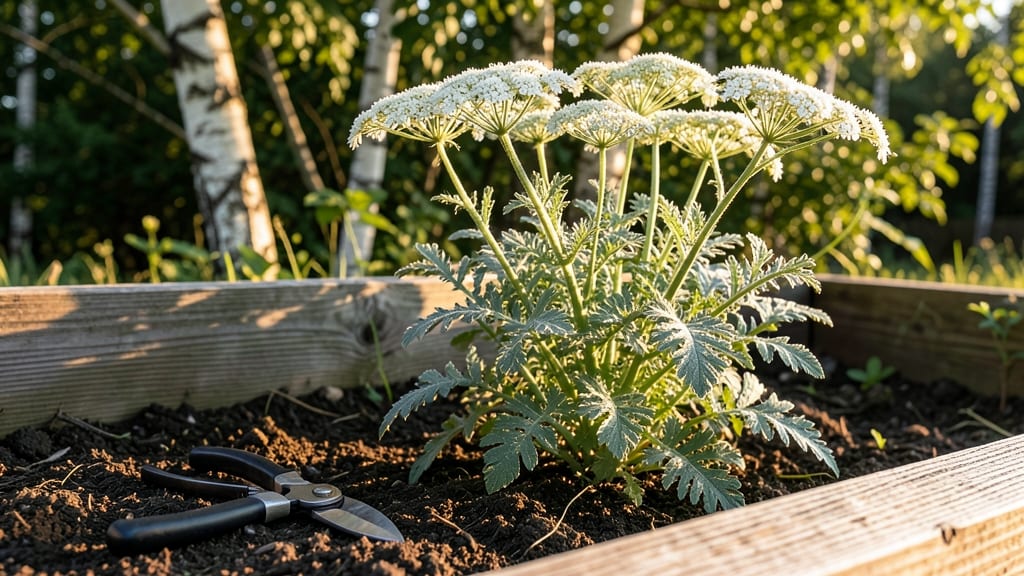
Pruning yarrow plants isn't just about keeping them tidy—it’s the secret to longer blooms and a plant that thrives year after year. ✨ I’ve learned that skipping this step means fewer flowers and leggy stems, but with the right timing and technique, yarrow becomes the workhorse of my perennial garden.
The key is understanding when to cut back—not just once, but twice a year—and how to do it without stressing the plant.
You’ll need sharp pruners (dull blades tear stems) and a clear plan: first pruning in early spring to remove dead growth, then again in midsummer to encourage a second flush of blooms.
Most gardeners overlook the summer trim, which is when yarrow really rewards you with bold, feathery flowers from late summer into fall. The process takes just 10 minutes but makes all the difference in how full and vibrant your plants stay.
After pruning, your yarrow will bounce back with thicker stems and more branches, creating that lush, bushy look you see in showy garden beds. The flowers stay fresh longer, too, and pests like aphids have fewer places to hide.
It’s one of those gardening tasks where a little effort leads to big, visible payoffs—and once you see the difference, you’ll never skip it again.
This method works for all yarrow varieties, whether you’re growing the classic Achillea millefolium or a modern cultivar like ‘Moonshine.’ The same rules apply whether your plants are in full sun or partial shade, though sun-loving types will bloom even more prolifically. Let’s get those shears ready!
📚 In This Guide
- What you need
- Instructions
- Tips and common mistakes
- Wrapping up and next steps
What you need
- ● Pruning shears or bypass pruners: Sharp, clean, and sterilized (use rubbing alcohol or a 10% bleach solution). Choose bypass-style (not anvil) for cleaner cuts.
- ● Garden gloves: A pair of cut-resistant gloves (e.g., nitrile-coated) to protect your hands from thorns and sap.
- ● Disposable pruning bags or bucket: A 5-gallon bucket with a lid or mesh pruning bags to collect clippings and debris.
- ● Garden kneeler or stool: For comfort, especially if your yarrow patch is large or hard to reach.
- ● Rake or garden fork: A bow rake with fine tines to clear dead foliage and mulch around the base.
- ● Watering can or hose: A light spray nozzle to rinse tools and refresh plants post-pruning.
- ● Hand sanitizer or soap: For cleaning hands after handling sap or thorns.
- ● Compost bin: To recycle pruned stems and leaves (yarrow decomposes well!).
- ● Plant marker or labels: If you’re pruning multiple varieties, label them to avoid confusion.
- ● Sunscreen and hat: For prolonged outdoor work—yarrow thrives in full sun!
Step-by-Step guide for pruning yarrow plants
Keep your yarrow looking its best with these simple seasonal cuts—your plants will reward you with bold blooms all season.
✂️ Step 1: Early Spring Cleanup
Start pruning yarrow in early spring, just as new growth begins to emerge. Cut back the previous year's stems to about 2-3 inches above the ground. This removes dead foliage and makes room for fresh, vibrant growth. I like to use clean, sharp pruners to avoid tearing the stems.
Look for any brown or mushy stems—these are signs of winter damage or rot. Remove them completely. You'll notice the center of the plant looks tidy and open after this first cut, which helps air circulate better and prevents disease.
✂️ Step 2: Mid-Season Deadheading
Once yarrow starts flowering, typically in late spring to early summer, begin deadheading spent blooms. Snip off the faded flower clusters just above a set of healthy leaves or buds. This encourages the plant to produce more flowers instead of going to seed.
I do this every 1-2 weeks during peak bloom season. Watch for flower heads that turn brown or droop—they're ready to be trimmed. Regular deadheading keeps yarrow looking neat and extends the blooming period by several weeks.
✂️ Step 3: Late Summer Thinning
In late summer, give your yarrow a light trim to promote bushier growth. Cut back the longest stems by about one-third of their height. This prevents the plant from becoming leggy and encourages a fuller shape. Focus on stems that are growing away from the center.
This is also a good time to remove any weak or diseased stems. You'll see new side shoots forming within a few weeks—this is your plant's way of filling in gaps and staying compact. Avoid cutting into the woody base of the plant.
✂️ Step 4: Fall Preparation
As temperatures cool in fall, reduce pruning to just removing any remaining dead or diseased foliage. Leave the plant's structure intact until winter. Yarrow is quite hardy, but a light cleanup prevents pests from overwintering in dead material.
I like to leave the stems standing until after the first frost, as they provide some winter interest in the garden. Once frost hits, you can cut back the stems to about 4-6 inches tall. This gives the plant a clean start for next year's growth.
⏰ Step 5: Year-Round Maintenance
Throughout the year, keep an eye out for any stray stems that grow too long or flop over. Trim these as needed to maintain your desired shape. Yarrow is a forgiving plant, so even if you miss a pruning window, it will bounce back quickly.
Here's the thing—yarrow thrives on neglect, but a little attention goes a long way. Regular trimming keeps it looking its best and ensures those vibrant blooms keep coming. You'll love how full and healthy your yarrow looks with just these simple cuts.
Tips & tricks for perfect yarrow pruning
A few simple tricks will help you keep your yarrow thriving and looking its absolute best all season long.
Tool Tip: Invest in a good pair of bypass pruners—those with curved blades work wonders for yarrow's thick stems. I've ruined several pairs of cheap scissors trying to cut through yarrow's tough stems, so trust me on this. Clean your pruners with rubbing alcohol between cuts to prevent spreading disease from plant to plant.
Seasonal Timing: The early spring cleanup in Step 1 is your chance to give yarrow a fresh start. Don't rush this step—wait until you see at least 2-3 inches of new growth emerging. If you prune too early, you might accidentally cut back tender new shoots that haven't hardened off yet. I always check for new growth by gently brushing my fingers along the stems.
Deadheading Strategy: When deadheading in Step 2, aim to cut just above a set of healthy leaves or buds. This creates a clean cut that encourages new growth. I like to do this on cloudy days when the plants are less stressed from heat. The 1-2 week frequency might seem like a lot, but it really pays off—my yarrow blooms continuously from early summer until frost when I stick to this schedule.
Late Season Care: In Step 4, when you're cutting back to 4-6 inches before winter, leave the stems slightly taller if you want winter interest. The dried flower heads add beautiful texture to winter gardens. Just make sure to remove any truly dead or diseased material—yarrow's hardiness doesn't mean it's immune to problems!
Pro Tips for Pruning Yarrow Plants
- A few simple tricks will help you keep your yarrow thriving and looking its absolute best all season long.
- Tool Tip: Invest in a good pair of bypass pruners—those with curved blades work wonders for yarrow's thick stems.
- Seasonal Timing: The early spring cleanup in Step 1 is your chance to give yarrow a fresh start.
Frequently asked questions
Got questions about keeping your yarrow thriving? Here are some of the most common concerns—plus quick, expert-backed answers to help you prune like a pro!
When is the best time to prune yarrow for maximum blooms?
Prune yarrow twice a year for best results: early spring (before new growth) to tidy up and mid-summer (after flowering) to encourage a second flush of blooms. Avoid heavy pruning in fall—yarrow’s woody stems can benefit from winter’s natural shape!
How much should I cut back yarrow in late summer?
Trim back one-third to half of the plant’s height (about 4–6 inches) after the first bloom cycle fades. This stimulates fresh growth and prevents legginess. Pro tip: Use clean, sharp shears to avoid damaging stems—yarrow heals fast but hates jagged cuts!
What if I skip pruning entirely—will yarrow still grow?
Yes! Yarrow is low-maintenance and tolerates neglect, but unpruned plants may become woody, sparse, or floppy over time. Pruning boosts air circulation, reduces pests, and keeps flowers vibrant. Think of it as a spa day for your yarrow—optional but highly rewarding!
Can I use pruned yarrow stems for anything besides compost?
Dried yarrow flowers
make stunning potpourri or herbal sachets (great for repelling moths). Chop fresh stems for yarrow tea (anti-inflammatory properties) or use them as cut flowers—they last weeks in vases! Just avoid pruning right before a frost if you’re harvesting for tea.
Why does my yarrow look sad after pruning—is it dying?
Don’t panic! Yarrow may temporarily wilt post-pruning as it redirects energy to new growth. If leaves turn yellow or stems flop, check for over-pruning (leave at least 6 inches of growth) or underwatering. With proper care, it’ll bounce back in 2–4 weeks.
How do I prune yarrow in containers vs. garden beds?
| Garden Beds | Containers |
|---|---|
| Prune close to the base (1–2 inches) for a tidy look. | Trim just above a leaf node to encourage bushier growth. |
| Focus on removing dead or crossing stems first. | Rotate the pot quarter-turns weekly for even sunlight. |
| Mulch after pruning to retain moisture. | Repot every 2–3 years to refresh soil. |
Wrapping up and next steps
Pruning yarrow isn’t just about keeping your garden tidy—it’s the secret to vibrant, long-lasting blooms and healthier plants! By following seasonal best practices, you’ll encourage bushier growth, prevent disease, and enjoy those cheerful flowers well into fall. 🌸
Ready to take your yarrow game to the next level? Grab your pruners and start experimenting—whether it’s deadheading spent blooms or giving your plants a mid-season haircut. Your garden (and future visitors!) will thank you.