Diseases
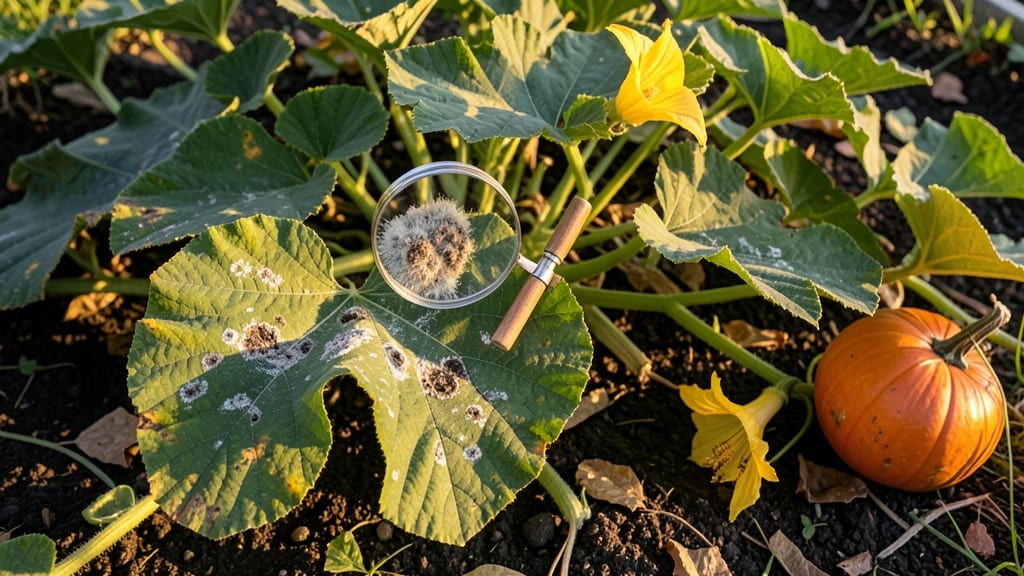
Pumpkin plant diseases turn vibrant vines into sad, yellowing shadows faster than you can say "jack-o'-lantern." I’ve watched powdery mildew turn my prized pumpkins into ghostly white skeletons and bacterial wilt collapse entire plants in days—until I learned the early warning signs and organic fixes that actually work.
The key isn’t just sprays; it’s catching problems before they spread and giving your plants the right conditions to fight back.
Most issues start with poor airflow or overwatering, which creates the perfect damp, warm breeding ground for fungi and bacteria. Powdery mildew leaves a chalky residue on leaves, while downy mildew causes yellow spots that ooze when you touch them. Bacterial wilt?
Your plants wilt suddenly, even when the soil is moist—and there’s no coming back. The good news? Catching these early means you can save your harvest with simple fixes like neem oil sprays, copper fungicides, or even a good pruning to improve circulation.
By the time you’re done reading, you’ll spot trouble before it ruins your crop and know exactly how to treat it—without chemicals that harm your soil or your family. Think lush, disease-free vines stretching across your garden, producing pumpkins so healthy they practically glow.
The secret isn’t complicated; it’s about timing, prevention, and knowing what to do the moment you see those first suspicious spots.
This works for all pumpkin varieties, whether you’re growing small sugar pumpkins or giant Atlantic Giants. The same principles apply whether you’re in a hot Southern summer or a humid Northern growing season. Let’s get those vines thriving again—starting with what to watch for this year.
Root Causes Of Pumpkin Ailments
Pumpkin plants, like all garden stars, aren’t immune to trouble—especially when environmental factors, pathogens, or poor growing practices team up to create the perfect storm. Understanding why these diseases strike is the first step to keeping your vines thriving.
Let’s break down the key culprits behind pumpkin plant diseases, so you can outsmart them before they spread.
Pumpkins thrive in warmth, but too much moisture—whether from rain, poor drainage, or overhead watering—turns their leaves into a buffet for fungal invaders. Fungi like powdery mildew and downy mildew love dampness, while Phytophthora blight (a water-mold) thrives in soggy soil.
When humidity stays above 75% for prolonged periods, spores germinate rapidly, clinging to leaf surfaces and blocking sunlight.
Why it happens:
- Poor airflow between vines traps moisture, creating a greenhouse effect.
- Compacted or waterlogged soil prevents roots from absorbing oxygen, weakening defenses.
- Late-season rains after vines mature stress plants, making them susceptible to rot.
Actionable fix: Space plants 3–5 feet apart for airflow, water at the base (not leaves), and mulch with straw to regulate soil moisture.
Diseases don’t just appear—they hitchhike in from infected plants, soil, or even tools. Here’s how the most common pumpkin pathogens sneak in:
| Pathogen | How It Spreads | Trigger Conditions |
|---|---|---|
| Powdery Mildew | Wind, contaminated seeds, or splashing water | Warm (70–85°F), dry leaf surfaces |
| Downy Mildew | Water droplets, infected crop debris | Cool (60–75°F), high humidity |
| Bacterial Wilt | Infected seeds, soil, or sap-sucking insects | Warm soil (>80°F), stressed plants |
| Cucumber Mosaic Virus | Aphids, infected plants, or tools | No cure—prevention is key! |
Why it happens:
- Old crop debris left in the soil harbors spores over winter.
- Aphids and beetles carry viruses like cucumber mosaic, injecting them into healthy plants.
- Stressed plants (from drought or nutrient deficiency) have weaker immune responses.
Actionable fix: Rotate crops annually, sterilize tools with bleach, and remove infected leaves immediately to stop spread.
Pumpkins are heavy feeders, but too little (or too much) of the wrong nutrients leaves them vulnerable. Nitrogen deficiency, for example, weakens leaves, making them prime targets for mildew. Conversely, excess phosphorus can promote fungal growth by altering soil pH.
Why it happens:
- Over-fertilizing with nitrogen leads to lush foliage but weak stems (prone to collapse and rot).
- Zinc or magnesium deficiencies cause yellowing leaves, reducing photosynthesis and stressing plants.
- Soil pH imbalances (too acidic or alkaline) hinder nutrient uptake, inviting diseases like Phytophthora.
Actionable fix: Test soil pH (aim for 6.0–6.8) and amend with compost or lime if needed. Use a balanced organic fertilizer (e.g., 5-5-5) and avoid synthetic salts that burn roots.
Pests like cucumber beetles, squash bugs, and aphids don’t just eat leaves—they inject toxins and create wounds where bacteria and fungi can enter.
For example: - Squash vine borers lay eggs on stems; larvae burrow in, causing wilting and entry points for bacterial wilt. - Aphids excrete honeydew, fostering sooty mold and attracting ants (which worsen infestations).
Why it happens:
- Monoculture gardening (planting only pumpkins) attracts pests with no natural predators.
- Late plantings miss the window for beneficial insects like ladybugs.
- Stunted growth (from poor soil) makes plants easier targets.
Actionable fix: Handpick pests early, use neem oil sprays, and plant companion crops like marigolds or nasturtiums to repel beetles.
Pumpkin vines sprawl, but when they’re crowded, stagnant air becomes a disease incubator. High humidity and trapped spores create the perfect conditions for Alternaria leaf spot or gray mold (Botrytis).
Why it happens:
- Overcrowding blocks sunlight and airflow, keeping leaves damp longer.
- Vertical growth habits (e.g., trellised vines) can trap moisture in leaf canopies.
- Weeds competing for space stress plants, lowering their disease resistance.
Actionable fix: Prune vines to improve airflow, train them in a single direction, and thin seedlings to 2–3 feet apart.
Pumpkins hate drama—especially sudden temperature drops or late frosts. Cold stress weakens cell walls, making plants susceptible to cold-sensitive pathogens like Fusarium wilt. Heat stress (above 95°F) also opens doors for bacterial leaf spot.
Why it happens:
- Nighttime temps below 50°F slow plant metabolism, reducing disease resistance.
- Frost damage kills tissue, creating entry points for rot.
- Heatwaves cause water loss, making leaves crispy and prone to cracking (inviting bacteria).
Actionable fix: Use row covers for early planting, mulch heavily to insulate roots, and water deeply in heatwaves to reduce stress.
Pro Tip: 💡 Keep a garden journal! Track when diseases appear, weather patterns, and your care routine. Patterns will reveal your pumpkin patch’s weak spots—so you can fix them before next season.
Quick Fixes for Sick Pumpkin Plants
Now that you’ve spotted the trouble, let’s roll up our sleeves and get your pumpkin patch back on track! Below, we’ve mapped out practical, organic solutions for each common disease, along with prevention tips to keep future harvests thriving. Think of this as your DIY disease-fighting toolkit—no fancy chemicals required!
🔥 Cause: Fungal spores thriving in humid, crowded conditions. 👨🍳 Fix It:
- Prune the Problem 🪒
- Snip off heavily infected leaves (wear gloves!) and dispose of them in a sealed trash bag—not the compost. This stops spores from spreading.
- Thin out vines to improve airflow (aim for 12–18 inches between plants).
- Neem Oil Blast 🌿 - Mix 1 tbsp neem oil + 1 tsp baking soda + 1 tsp mild soap in 1 gallon of water.
Spray early morning or evening (avoid direct sun) every 5–7 days until mildew fades. - Pro tip: 💡 Add a copper fungicide (like Bonide Copper Fungicide) for stubborn cases—it’s organic and zaps fungal spores.
- Baking Soda Barrier 🧂
- Spritz plants with a 1 tbsp baking soda + 1 quart water + few drops of soap solution weekly. The alkaline pH disrupts fungal growth.
🛡️ Prevention:
- Space plants 3–4 feet apart to reduce humidity.
- Water at the base (never overhead) and water early to let foliage dry by night.
- Plant resistant varieties like ‘Howden’ or ‘Waltham Butternut.’
🔥 Cause: Oozy, yellow spores spreading in wet, shady spots. 👨🍳 Fix It:
- Drain the Drama 💦
- Improve soil drainage by adding compost or sand. Avoid overwatering—soil should stay moist but not soggy.
- If growing in containers, ensure pots have drainage holes and elevate them.
- Copper Spray Rescue 🛡️
- Use a copper-based fungicide (like CuPro) every 7–10 days until symptoms vanish. It’s fast-acting against downy mildew.
- Pro tip: 🌡️ Apply at dawn when humidity is high—spores are most vulnerable then.
- Row Cover Shield 🛡️
- Install floating row covers (lightweight fabric) over plants to block spores. Remove during pollination (hand-pollinate if needed).
🛡️ Prevention:
- Rotate crops: Don’t plant pumpkins in the same spot for 3+ years (fungi linger in soil).
- Remove old vines after harvest to eliminate overwintering spores.
- Boost plant health with compost tea (rich in beneficial microbes).
⚠️ Warning: This one’s tricky—once infected, plants usually die. Act fast! 🔪 Fix It:
- Quarantine & Quash 🚫
- Dig up and destroy infected plants (burn or trash—do not compost).
- Sterilize tools with 70% rubbing alcohol or a 10% bleach solution (1 part bleach to 9 parts water).
- Soil Rescue Mission 🌱
- Solarize the soil: Cover the bed with clear plastic for 4–6 weeks in hot sun to kill bacteria.
- Alternatively, replace top 6 inches of soil with fresh, sterile mix.
- Future-Proof Your Patch 🔒
- Test soil pH (aim for 6.0–6.8)—bacteria thrive in alkaline conditions.
- Plant resistant varieties like ‘Jack Be Little’ (less susceptible).
🛡️ Prevention:
- Avoid contaminated water (use rainwater or filtered sources).
- Rotate crops aggressively (wait 5+ years before replanting pumpkins in the same spot).
- Control cucumber beetles (they spread bacteria)—use row covers or neem oil sprays.
🔥 Cause: Fungal invaders clogging plant vessels (often from old garden beds). 👨🍳 Fix It:
- Soil Rehab 🏥
- Solarize or fumigate the soil (use organic steam sterilization if possible).
- Amend soil with biochar or mycorrhizal fungi to improve root health.
- Resistant Varieties Only 🌱
- Switch to wilt-resistant pumpkins like ‘Cinderella’ or ‘Sweet Dumpling.’
- Crop Rotation Bible 📖
- Wait 3–4 years before replanting pumpkins, cucumbers, or squash in the same spot.
🛡️ Prevention:
- Test soil for fungal pathogens before planting.
- Improve drainage—these fungi love waterlogged roots.
🔥 Cause: Beetles spread bacterial wilt + chew leaves. 🍳 Fix It:
- Beetle Traps 🎣
- Hang yellow sticky traps near plants to catch adults.
- DIY trap: Fill a shallow dish with beer or apple cider vinegar—beetles drown in it.
- Neem Oil Barrage 🌿
- Spray neem oil + kaolin clay (like Surround WP) to repel and smother beetles.
- Row Cover Barrier 🛡️
- Cover young plants with fine mesh netting until flowers appear (then remove for pollination).
🛡️ Prevention:
- Plant trap crops like radishes or nasturtiums to lure beetles away.
- Interplant with basil or dill—beetles dislike the scent.
- Inspect seeds for cracks or mold before planting (soak in 1% hydrogen peroxide for 30 mins to disinfect). - Rotate crops religiously—never plant cucurbits (pumpkins, squash, melons) in the same spot two years in a row. - Boost plant immunity with compost tea, fish emulsion, or seaweed extract (spray foliage every 2 weeks). - Monitor weather—powdery mildew loves 75°F+ temps + high humidity.
Use shade cloth if needed. - Clean up debris after harvest to remove fungal/bacterial hiding spots.
🎯 Final Pro Tip: 🌟 Healthy soil = healthy plants. Test your soil annually and amend with organic matter (compost, worm castings) to build resilience against diseases. A thriving pumpkin patch starts below the soil!
Frequently asked questions about pumpkin plant diseases
What are the first signs of powdery mildew on pumpkin leaves?
Look for white, powdery patches on the upper leaf surfaces—like dusting flour—that spread rapidly in warm, dry conditions. The undersides may develop yellow spots as the disease progresses. Act fast by pruning infected leaves and applying neem oil mixed with baking soda.
Can I save a pumpkin plant already infected with bacterial wilt?
Unfortunately, no—bacterial wilt has no cure once symptoms appear (sudden wilting, yellowing, and oozing stems). Dig up and destroy the entire plant immediately to prevent spread. Sterilize tools and rotate crops for 5+ years in that spot.
How often should I spray neem oil to prevent diseases?
Apply neem oil every 7–10 days during humid weather, starting when plants are young. For prevention, mix 1 tbsp neem oil + 1 tsp mild soap in 1 gallon of water and spray at dawn or dusk. Avoid spraying in direct sunlight to prevent leaf burn.
Why does downy mildew appear only on the undersides of leaves?
Downy mildew thrives in high humidity and needs moisture to spread—its spores germinate best on damp leaf undersides. You’ll see fuzzy, yellowish growth there, while upper leaves may just show yellow spots. Improve airflow and water at the base to prevent it.
Are there pumpkin varieties resistant to common diseases?
Yes! Try ‘Howden’ (powdery mildew resistant) or ‘Jack Be Little’ (bacterial wilt tolerant). Always check seed packets for disease-resistant labels. Even resistant varieties benefit from proper spacing, good airflow, and organic sprays.