
Pests
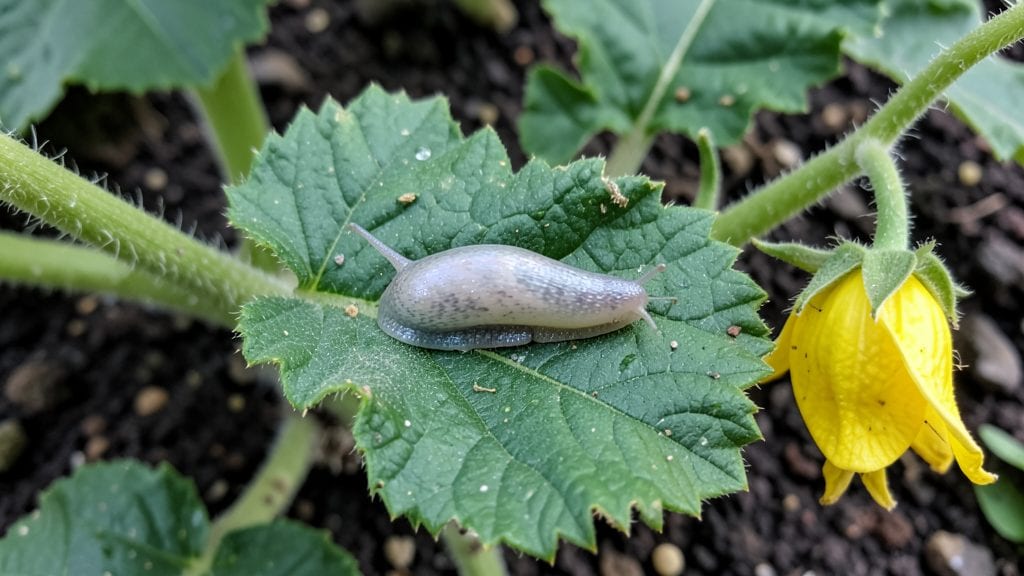
Slugs on tomato plants turn your hard work into a midnight snack buffet. 🌱 I’ve watched those silvery trails appear overnight, leaving jagged holes in leaves and fruit—until I finally cracked the code on organic barriers that actually work.
The key isn’t just traps or sprays, but creating a physical fortress your tomatoes can’t outgrow.
Most gardeners reach for beer traps or copper tape, but the real game-changer is combining multiple barriers—copper tape around pots, crushed eggshells around the base, and diatomaceous earth in the soil.
It’s not about one silver bullet, but a layered defense that slugs can’t navigate. My tomatoes now stay intact from seedling to harvest, even in humid summers.
You’ll see the difference within days: no more overnight disappearances, no more slimy surprises on your morning walk. The plants grow stronger, produce more, and you’ll finally get the harvest you planted for. Plus, these methods keep your garden ecosystem healthy—no chemicals, just smart prevention.
Works for backyard gardens, raised beds, or even container tomatoes on patios. The same principles apply whether you’re growing heirlooms or cherry varieties. Let’s build that unbreakable barrier before the slugs strike again.
The Hidden Lures Drawn to Tomatoes
Slugs don’t just randomly attack your tomato plants—they’re drawn by a mix of environmental cues, plant chemistry, and even human habits. Understanding these triggers is the first step to outsmarting them. Here’s why your tomatoes might be turning into a slug buffet:
Slugs thrive in damp conditions, and tomato plants—especially those grown in containers or shaded areas—create the ideal microclimate. Here’s why:
- Overwatered Soil: Tomato plants need consistent moisture, but soggy soil (especially after rain or over-irrigation) turns your garden into a slug paradise. Slugs can’t survive without water, and they’ll crawl for miles to reach it.
- Morning Dew & Shade: Dewy leaves or shaded spots (like under drip lines or dense foliage) trap moisture, making it easier for slugs to glide and lay eggs. Pro tip: If your tomatoes are in low-lying areas, slugs will gather there like it’s a water park. 💦
- Mulch Overload: While mulch retains soil moisture, too much (especially thick organic mulch) can create a humid, slug-friendly layer. Aim for a 2–3 inch layer and keep it away from the plant stem.
Tomato plants emit volatile organic compounds (VOCs) that signal to slugs: “Fresh, tender feast ahead!” Here’s the science:
- High Water Content: Slugs love soft, water-rich plants. Tomatoes, especially young or overwatered ones, are like jelly to them. Fun fact: Slugs can detect moisture levels from up to 3 feet away—so if your plants are glistening, they’re sending out an SOS. 🚨
- Nitrogen-Rich Leaves: Healthy tomato foliage is packed with nitrogen, making it a protein-packed meal for slugs. If your plants are lush but slugs are still feasting, check your fertilizer—too much nitrogen = more slug appeal.
- Damaged or Stressed Plants: When tomatoes are struggling (from disease, pests, or poor soil), they release distress signals that attract slugs. It’s like a “help me” cry that also says, “Eat me.”
Slugs are nocturnal for a reason—they avoid predators (like birds and beetles) and heat during the day. Their behavior explains why your tomatoes look fine in the morning but are shredded by dawn:
- Cool, Dark Conditions: Slugs are most active between 10 PM and 4 AM, when temperatures drop and humidity rises. If your garden stays damp overnight, they’ll party there. 🎉
- Lack of Natural Predators: Without toads, ground beetles, or chickens patrolling, slugs have free rein. Even a few missing predators can tip the balance in their favor.
- Artificial Lighting: Outdoor lights (especially those close to plants) can disorient predators but also create a “safe zone” for slugs, drawing them closer to your tomatoes.
Sometimes, the problem isn’t the garden—it’s the gardener. Unintentional actions can turn your tomato patch into a slug hotel:
- Overhead Watering: Sprinklers or hose streams create a misty, slug-friendly environment. Switch to drip irrigation or soaker hoses to keep foliage dry. 💧
- Compost Piles Nearby: While compost is great, piles near tomato plants can harbor slug eggs and adult slugs. Keep compost at least 10 feet away from vulnerable crops.
- Ignoring Garden Debris: Leaves, cardboard, or wood chips left around plants create hiding spots. Slugs will use these as daytime shelters and nighttime launchpads for raids.
Slug populations explode under specific conditions, and tomatoes are often the first to suffer:
- Spring & Fall Rain: These seasons bring the most slug activity. After heavy rain, slugs emerge to feed, and tomatoes—just starting to fruit—become prime targets.
- Humid Summers: While slugs slow down in extreme heat, they’ll still target tomatoes if shade or irrigation keeps their favorite damp spots available.
- Mild Winters: In regions with cool winters, slugs may survive underground and re-emerge early in the season, catching gardeners off guard.
One often-overlooked reason for persistent slugs is their reproduction rate. A single slug can lay 20–40 eggs in damp soil, and those eggs hatch in 2–4 weeks. If you’re not addressing the source:
- Eggs in Mulch or Soil: Slug eggs are tiny (about the size of a pinhead) and blend into organic matter. They thrive in moist, shaded soil, so if you’re not turning the soil or removing mulch, new slugs will keep arriving.
- Multiple Generations: In warm climates, slugs can produce 3–4 generations per year. That means one missed treatment in spring could lead to a summer infestation. 🐌💥
Key Takeaway: Slugs on tomatoes aren’t random—they’re responding to a mix of moisture, plant chemistry, timing, and even your gardening habits. The good news? Once you identify the triggers in your garden, you can flip the script with targeted organic barriers and habits. Stay tuned for our next section on ironclad organic solutions to keep these slimy invaders at bay.
How to Fix Slug Damage Fast
Slugs on your tomato plants aren’t just an annoyance—they can turn your hard work into a slimy snack fest overnight. But don’t despair! With the right strategies, you can kick those slimy invaders to the curb and protect your plants naturally.
Below, we’ve mapped out cause-specific fixes so you can tackle the problem head-on, plus prevention tips to keep your tomatoes thriving.
Cause: Slugs love damp, sheltered spots and will munch on young tomato leaves or fruits overnight. Solution: Create a no-go zone with these DIY barriers.
- 🍳 Copper Tape or Wire Slugs hate copper! Wrap a copper tape or wire around pots or raised beds. When they crawl over it, the mild electric shock deters them. (Pro tip: 💡 Bend the copper slightly upward for extra effectiveness.)
- 👨🍳 Crushed Eggshells or Diatomaceous Earth Sprinkle crushed eggshells or food-grade diatomaceous earth (DE) around the base of plants. The sharp edges irritate slugs’ soft bodies. (Warning: 🌡️ Reapply after rain—DE loses potency when wet.)
- 🥘 Coffee Grounds or Wood Ash Slugs avoid gritty textures. Mix used coffee grounds or wood ash into the soil around plants. Bonus: Coffee grounds add nitrogen to the soil!
Cause: Slugs are nocturnal and hide during the day, making them hard to spot. Solution: Set up simple traps to catch them before they strike.
- 🍺 Beer Traps (The Classic) Bury a shallow dish (like a yogurt cup) filled with beer near plants. Slugs are drawn in and drown. (Pro tip: 🎯 Use dark beer—slugs prefer the smell!)
- 🥘 Cabbage or Lettuce Bait Place a piece of cabbage or lettuce near the plants. Slugs will gather on it overnight—collect and dispose of them in the morning.
- 🔪 Handpicking (Gross but Effective) After rain or at dawn, shake plants gently over a bucket of soapy water. Slugs will drop off—dispose of them far from your garden.
Cause: Slugs seek out soft, moist plants—especially young tomato seedlings. Solution: Spray homemade repellents to make your plants unappetizing.
- 🍋 Citrus or Garlic Spray Blend peels from 4 lemons/limes + 1 garlic bulb with water, strain, and spray around plants. The strong scent confuses slugs. (Reapply every 3–4 days.)
- 🌿 Saltwater Spray (Use Sparingly!) Mix 1 tbsp salt + 1 quart water and spray only the slugs (not plants—salt harms soil). (Warning: ⚠️ Avoid overusing salt near roots.)
- 🥛 Milk or Vinegar Barrier Spray diluted milk (1:1 with water) or apple cider vinegar around the base of plants. The acidity deters slugs. (Bonus: 💡 Milk also strengthens plant cell walls!)
Cause: Overly moist, shaded, or mulch-heavy gardens attract slugs. Solution: Adjust your garden setup to make it slug-unfriendly.
- ✨ Reduce Mulch Piles Slugs hide in thick mulch. Use straw or pine needles (they dislike the scent) and keep mulch 2–3 inches away from plant stems.
- 🌞 Improve Drainage & Sunlight Slugs thrive in damp, shady spots. Space plants for airflow, and prune nearby weeds that provide hiding spots.
- 🌿 Plant Slug-Repelling Companions Interplant tomatoes with marigolds, basil, or thyme. Their strong scents mask tomato fragrances, confusing slugs.
- 🌧️ Water in the Morning – Avoid evening watering (keeps soil damp overnight).
- 🌙 Inspect at Dawn – Check for slug trails (they leave silvery slime paths).
- 🧹 Clear Debris – Remove boards, rocks, or thick mulch where slugs hide.
- 🐛 Introduce Predators – Encourage birds, frogs, or ground beetles (they eat slugs!).
Final Thought: Slugs may be sneaky, but with these organic, no-fuss fixes, you’ll reclaim your tomato plants in no time. Try one method tonight, and watch your garden bounce back! 🍅✨
Frequently asked questions
What do slug damage on tomato plants actually look like?
Look for irregular holes along leaf edges or chewed fruit surfaces—never clean, straight cuts like insects make. You’ll also spot silvery slime trails (their mucus) on leaves or soil, especially after rain. Young plants may show overnight defoliation, while mature ones often have ragged holes in leaves or punctures in green fruit.
Will copper tape work if my tomatoes are in the ground?
Yes, but you’ll need to create a continuous barrier around the planting area. For in-ground plants, bend copper tape upward at a 45-degree angle around the base, extending it 12 inches outward. Combine it with crushed eggshells inside the barrier for double protection. Recheck after heavy rain—copper stays effective but may need repositioning if soil shifts.
Can I use diatomaceous earth on edible tomato plants?
Only food-grade diatomaceous earth is safe for edible plants. Sprinkle a thin layer (1/4 inch) around the base, avoiding direct contact with leaves or fruit. Reapply after rain or watering. The microscopic particles dehydrate slugs but won’t harm your tomatoes—just keep it away from blossoms to protect pollinators.
How do I know if my slug problem is from eggs or adult slugs?
Check for tiny white eggs (size of a pinhead) in damp soil or mulch—these hatch in 2-4 weeks. Adult slugs leave slime trails and are active at night. If you see both, you’re dealing with a full infestation. Start with barriers (copper tape) to stop adults, then treat soil with beneficial nematodes to target eggs.
Will slugs go away on their own if I ignore them?
Unlikely—slugs reproduce rapidly, and one missed generation can lead to a full-blown infestation. While some predators (birds, beetles) may help, they won’t eliminate the problem. Early intervention with physical barriers (copper, eggshells) or traps is key. Even "mild" damage stresses plants, making them more vulnerable to disease.