Size
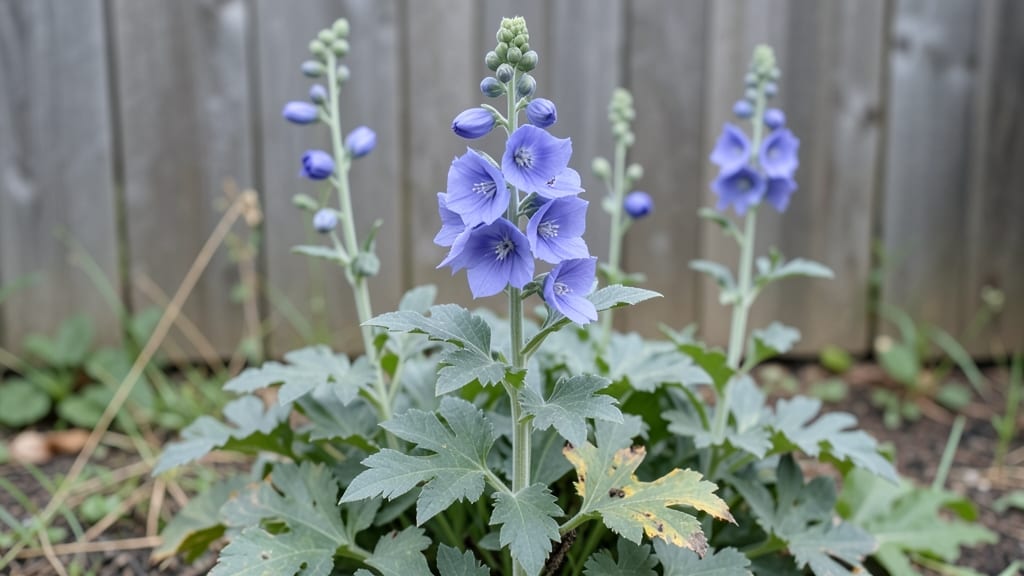
"Tall garden plants turn small yards into dramatic backdrops. 🌿 I’ve used them to create privacy screens that look like art, not fences—and the best part? They work in tight spaces where nothing else fits.
My front yard’s bamboo curtain blocks nosy neighbors while adding a tropical vibe, and it’s only 4 feet wide.
These vertical giants do double duty: they hide unsightly views, draw the eye upward, and bring wildlife into your space. Think hollyhocks swaying in summer breezes or sunflowers that tower over children’s heads.
They thrive in full sun or partial shade, depending on the variety, and most grow fast enough to see real impact within a single season.
You’ll end up with a garden that feels larger, more intentional, and effortlessly stylish. The right tall plants can even soften harsh lines in modern landscapes or frame a cozy seating area like a natural stage.
Pair them with shorter perennials for contrast, and you’ve got a layered look that costs next to nothing compared to fences or walls.
Works for urban balconies, suburban backyards, or rural homesteads—just match the plant to your light and space. Let’s talk specifics next!"
📚 In This Guide
- What you need
- Instructions
- Tips and common mistakes
- Wrapping up and next steps
What you need
- ● Tall plants: Choose from fast-growing options like bamboo, arborvitae, sunflowers, or hollyhocks (3–10 plants, depending on desired density).
- ● Soil: 2–3 bags of well-draining, nutrient-rich potting mix (50 lbs each).
- ● Containers or planters: For container gardening: Large pots (12–18 inches deep, 1–2 per plant).
- ● For ground planting: A trench or designated bed (width: 3–6 feet, depth: 12–18 inches).
- ○ Support structures (optional but helpful): Stakes or trellises (for climbing plants like clematis or morning glories).
- ● Wire mesh or fencing (for structural support, e.g., arborvitae hedges).
- ● Mulch: 1–2 bags of organic mulch (e.g., wood chips or straw) to retain moisture.
- ● Fertilizer: Slow-release granular fertilizer (e.g., 10-10-10 NPK, 1 lb per plant).
- ● Watering can or hose: With a gentle spray nozzle for even moisture distribution.
- ● Pruners: Sharp, bypass pruners for trimming and shaping.
- ● Gloves: Heavy-duty gardening gloves to protect your hands.
- ● Sunlight assessment: Know your space’s sunlight exposure (full sun, partial shade, or full shade) to pick the right plants.
- ● Space planning: Measure your area to ensure plants have 3–6 feet of vertical growth room (check mature plant heights!).
- ● Drainage check: Ensure containers or soil has proper drainage (add perlite or gravel if needed).
- ● Local climate considerations: Choose native or cold-hardy plants if you’re in a harsh climate.
- ● 🌡️ Watering: Newly planted tall garden plants need 1–2 inches of water per week (more in hot climates).
- ● ✨ Layering: Mix fast-growing and slow-growing plants for a balanced, fuller look.
- ● 🎯 Pruning: Trim 1/3 of the plant’s height in early spring to encourage bushier growth.
- ● 💪 Support: Install trellises or stakes at planting time to avoid damaging roots later.
How to design a stunning vertical garden with tall plants
Here's how I transform small spaces into lush, private retreats using nature's vertical giants.
🌿 Step 1: Select the Right Tall Plants for Your Space
Start by choosing plants that match your climate and design goals. For privacy screens, I recommend arborvitae, bamboo, or tall ornamental grasses—they grow quickly and create dense foliage. If you want year-round color, consider evergreen shrubs like holly or boxwood. For a more relaxed look, sunflowers or tall snapdragons add seasonal height and texture.
Measure your space first. Plants need at least 6 feet of clearance above and around to thrive without crowding. Check each plant's mature height—some varieties can reach 12 feet or more, so plan accordingly. I always sketch a simple layout to visualize how the plants will fill vertical space over time.
🪴 Step 2: Prepare the Planting Area
Clear the area of weeds and debris, then loosen the soil to a depth of 12 inches with a garden fork. Amend the soil with 2-3 inches of compost to improve drainage and fertility—tall plants need deep, nutrient-rich roots. If your soil is heavy clay, mix in sand or perlite to prevent compaction.
For container planting, use large pots (at least 18 inches deep) with drainage holes. Fill them with well-draining potting mix and place them on casters if you plan to move them seasonally. I like to add a slow-release fertilizer at planting time to give tall plants a strong start.
☀️ Step 3: Plant for Maximum Vertical Impact
Dig holes twice as wide as the root ball but no deeper—this encourages roots to spread outward for stability. Place the plant so the top of the root ball sits 1 inch below soil level to prevent stem rot. Backfill with native soil, firming gently around the roots to eliminate air pockets.
Water deeply right after planting to settle the soil and remove any air gaps. Mulch around the base with 2-3 inches of organic mulch to retain moisture and suppress weeds. Space plants 3-6 feet apart, depending on their mature width—taller varieties like bamboo need more room to prevent overcrowding.
💧 Step 4: Water and Maintain for Long-Term Growth
Water tall plants deeply once a week during the first growing season, allowing the soil to dry slightly between waterings. Overwatering can lead to root rot, especially in heavy soils. You’ll know they’re getting enough water when the top 2 inches of soil feel dry to the touch but the roots stay moist below.
Fertilize every 6-8 weeks during the growing season with a balanced, slow-release fertilizer to support steady growth. Prune in early spring to remove dead or damaged branches and shape the plant. For flowering varieties, deadhead spent blooms to encourage more flowers and maintain a tidy appearance.
✂️ Step 5: Train and Support as Needed
Use stakes, trellises, or cages to support tall, top-heavy plants like sunflowers or snapdragons. Secure them loosely—too-tight ties can restrict growth. For woody plants like arborvitae, prune in late winter or early spring to shape the plant and encourage bushier growth.
Watch for signs of stress, like yellowing leaves or wilting, which can signal overwatering, underwatering, or nutrient deficiencies. Adjust your care routine accordingly. With the right plants and consistent maintenance, your vertical garden will thrive and create a stunning focal point in your outdoor space.
Tips & tricks for perfect vertical garden design with tall plants
Creating a stunning vertical garden doesn't have to be complicated—these key tips will help you maximize space while ensuring your tall plants thrive and create that lush, private retreat you're dreaming of.
Plant Selection Strategy: When choosing your tall plants, consider their mature height and growth rate. Arborvitae and bamboo are excellent for privacy screens because they grow quickly—some varieties can reach 12 feet or more in just a few years. For seasonal interest, sunflowers or snapdragons add height and texture, but remember they're annuals, so plan for replanting. I always check the plant tag for mature height and spacing requirements before purchasing to avoid overcrowding issues later.
Soil Preparation Tip: In Step 2, when you're amending the soil with compost, don't skimp! Tall plants need deep, nutrient-rich roots, so that 2-3 inches of compost is non-negotiable. For heavy clay soils, mix in sand or perlite to improve drainage—this prevents compaction that can strangle root growth. I've seen plants struggle when the soil wasn't properly amended, so take this step seriously. It's the foundation for everything that comes next.
Container Planting Hack: If you're using containers, those 18-inch deep pots are crucial for tall plants—they need room for roots to establish. I recommend adding a layer of gravel at the bottom for drainage, then filling with well-draining potting mix. Pro tip: Place your containers on casters if you plan to move them seasonally—this makes winter protection and summer shade adjustments much easier. The last thing you want is to struggle with heavy pots when you need to relocate them.
Pruning Timeline: The early spring pruning mentioned in Step 5 is your best friend for maintaining shape and encouraging bushier growth. For evergreens like arborvitae, I prune right after the last frost but before new growth begins. For flowering varieties, wait until after they bloom to deadhead spent flowers—this gives you more blooms next season. Remember, pruning stimulates new growth, so don't be shy with the shears, but avoid cutting into old wood if you want to maintain that lush look.
Pro Tips for Tall Garden Plants
- Creating a stunning vertical garden doesn't have to be complicated—these key tips will help you maximize space while ensuring your tall plants thrive and create that lush, private retreat you're dreaming of.
- Plant Selection Strategy: When choosing your tall plants, consider their mature height and growth rate.
- Soil Preparation Tip: In Step 2, when you're amending the soil with compost, don't skimp!
Frequently asked questions
Got questions about maximizing vertical space with tall garden plants? Here are some answers to common queries to help you create the perfect lush, private, or decorative garden oasis!
What are the fastest-growing tall plants for quick privacy?
If you need quick results, opt for Bamboo (some varieties grow up to 3 feet per year!), Leucadendron (1-2 feet annually), or Hornbeam trees (moderate growth but dense foliage). For instant impact, consider Arborvitae or Thuja—they’re evergreen and grow steadily.
When is the best time to plant tall garden plants?
Plant tall shrubs or trees in early spring (after the last frost) or fall (6 weeks before the first frost). This gives roots time to establish before extreme temperatures. Container-grown plants can be planted year-round in mild climates, but avoid peak summer heat.
Can tall plants work in small gardens or containers?
Dwarf varieties like Columnar Apple Trees or Miniature Bamboo thrive in containers. For small spaces, choose narrow, upright plants like Dwarf Fountain Grass or Compact Holly Trees. Just ensure containers are large enough (at least 12-18 inches deep) and provide proper drainage.
How do I prevent tall plants from blocking sunlight for other plants?
Plan strategically by placing tall plants on the north or west side of your garden to avoid shading sun-loving plants. Space them 3-6 feet apart (depending on maturity size) and prune regularly to control height. Underplant with shade-tolerant perennials like Ferns or Hostas.
How often should I prune tall garden plants?
Prune annually in late winter or early spring to shape and encourage growth. For formal hedges (like Arborvitae), trim 2-3 times per year. Avoid heavy pruning in fall—it can stimulate tender new growth that won’t survive winter. Use sharp, clean tools and remove no more than 1/3 of the plant at a time.
What pests or diseases should I watch for in tall plants?
Common issues include Spider Mites (dry conditions), Scale Insects (sticky residue), and Fungal Diseases (like powdery mildew in humid climates). Monitor leaves regularly, and treat early with neem oil or insecticidal soap. Ensure good airflow and avoid overhead watering to prevent fungal growth.
Wrapping up and next steps
Tall garden plants are a game-changer for small spaces, offering privacy, vertical beauty, and even functional benefits like windbreaks. Whether you’re working with a tiny balcony or a cozy backyard, these lush greens and striking blooms can transform your outdoor area into a serene retreat—without sacrificing space. 🌿
Now that you’re armed with the best options and tips, it’s time to roll up your sleeves! Start by sketching a simple layout—mark where you’ll place your tallest plants (like bamboo or hollyhocks) for maximum impact. Then, grab your tools and let your green thumb shine. Happy planting! 🌱