
Diseases
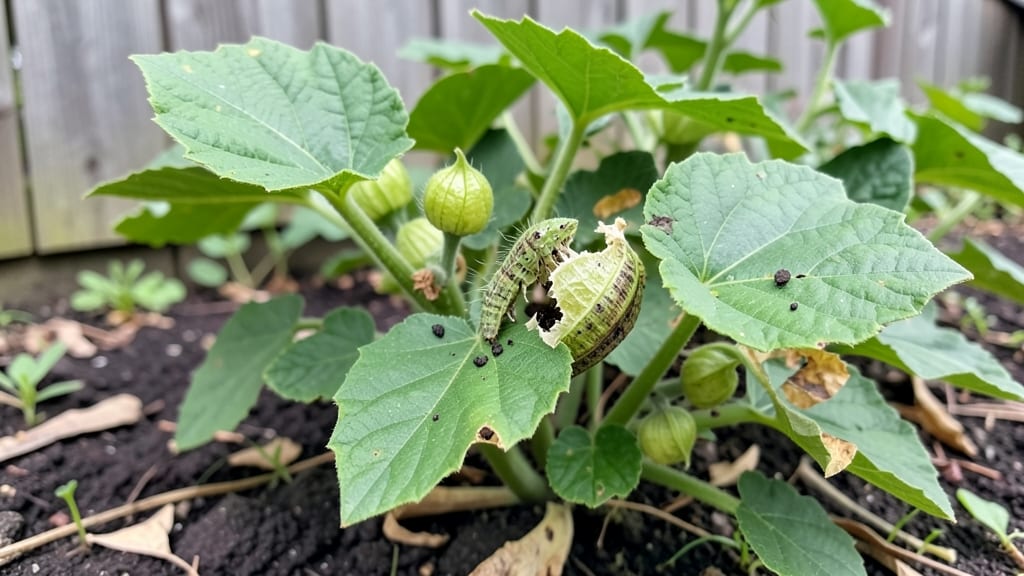
When your tomatillos develop dark spots or fuzzy white patches, you're not just dealing with cosmetic issues—those are early warning signs of fungal or bacterial diseases that can wipe out your harvest if ignored. 🌱 I’ve seen entire plants collapse in weeks from bacterial spot or powdery mildew, but the good news is that catching these fast with the right steps can save your crop.
Most tomatillo diseases thrive in humid conditions or crowded plants, so proper spacing and airflow are your first line of defense. I’ve found that removing infected leaves immediately and avoiding overhead watering cuts down on spread dramatically.
The key is acting before the disease moves from leaves to fruit—once it does, your harvest is at risk.
Organic remedies like neem oil or copper fungicide work fast when applied at the first sign of trouble. For bacterial spot, I’ve had success with a baking soda spray (1 teaspoon baking soda, 1 quart water, a drop of dish soap), which stops the spread within days if used consistently.
The goal is to keep your plants healthy enough to fight back.
Even with prevention, some seasons are just tougher than others. If you’re in a high-humidity zone, consider planting in raised beds or using shade cloth to reduce stress on your plants. The faster you respond, the better your chances of saving—and enjoying—that tangy harvest.
Root Causes Behind Tomatillo Struggles
Tomatillos, those tangy green gems in salsas and stews, are surprisingly delicate when it comes to disease. Understanding why these issues arise is the first step to protecting your plants.
Below, we break down the science behind the most common threats—from fungal invaders to bacterial sneaks—and explain the conditions that turn your garden into a disease buffet.
Fungal diseases like early blight and powdery mildew thrive when tomatillos are stressed, often due to:
- Overhead Watering
Fungal spores splash onto leaves from wet soil or rain, creating entry points. Unlike tomatoes, tomatillos have thinner leaves, making them extra vulnerable to prolonged dampness.
- Poor Air Circulation
Dense foliage or crowded plants trap humidity, giving fungi like Alternaria solani (early blight) a foothold. These pathogens spread via wind or water, but stagnant air accelerates their growth.
- Nutrient Imbalances
Too much nitrogen (common in rich soils) produces lush but weak growth, while phosphorus or potassium deficiencies weaken cell walls, making plants easier targets for fungal invasion.
💡 Pro Tip: Test your soil—ideal pH for tomatillos is 6.0–7.0. If it’s off, fungi like Phytophthora (root rot) exploit the imbalance.
Bacterial diseases such as bacterial spot or canker don’t just appear—they hitchhike on injuries. Key triggers include:
- Physical Damage
Pruning tools, hail, or even insect bites create open wounds. Bacteria like Xanthomonas enter through these gaps, especially in warm, humid conditions (75–85°F).
- Contaminated Water
Reusing water from infected plants or splashing water from the ground spreads bacteria. Tomatillos absorb water through their leaves (hydathodes), making them prime conduits for bacterial entry.
- Stress from Heat or Drought
Extreme heat weakens plant defenses, while drought stress makes tomatillos more susceptible to bacterial wilt. Once infected, bacteria multiply rapidly in the plant’s vascular system.
🔥 Warning: If you’ve had bacterial issues before, sterilize tools with 70% rubbing alcohol between uses—even a tiny smear of old sap can harbor pathogens.
Diseases often exploit environmental factors beyond your control. Here’s how they set the stage:
| Factor | How It Helps Diseases Spread | Tomatillo-Specific Risk |
|---|---|---|
| 🌧️ Excess Rain | Washes away protective waxes on leaves, making them prone to powdery mildew or leaf spot. | Tomatillos’ hairy leaves trap moisture longer than smooth-leaved plants. |
| ☀️🔥 Intense Heatwaves | Increases transpiration, stressing plants and opening doors for viral infections (e.g., Tomato mosaic virus). | Tomatillos wilt faster in heat, slowing recovery from damage. |
| 🍂 Poor Soil Drainage | Leads to root rot (e.g., Pythium), cutting off nutrient uptake. | Tomatillos hate soggy roots—their shallow systems suffocate quickly. |
🌡️ Climate Hack: If your area is prone to high humidity, plant tomatillos in raised beds with drip irrigation to keep foliage dry.
By addressing these root causes—before symptoms appear—you’ll give your tomatillos the best shot at staying healthy. Next up: How to Starve Diseases Before They Start.
Quick Fixes for Tomatillo Plant Troubles
Got sickly tomatillos? Don’t panic—most issues have simple, fast solutions! Below, we’ll match the most common tomatillo plant diseases (fungal, bacterial, and environmental) with practical fixes and prevention tips to keep your plants thriving. Think of this as your emergency repair kit for green thumbs!
Fungi love damp, crowded conditions, so act fast to save your crop.
🔥 Early Blight (Alternaria solani) – Brown Spots & Leaf Drop
Fix it: ✅ Prune aggressively – Snip off infected leaves (especially lower ones) and dispose of them in the trash (not compost!).
Fungus spores spread via debris. ✅ Improve airflow – Space plants 18–24 inches apart and avoid overhead watering.
Use a fan on low for 1–2 hours daily if humidity is high. ✅ Copper fungicide spray – Mix 1 tbsp baking soda + 1 tsp dish soap + 1 gallon water or use a store-bought copper fungicide.
Spray every 7–10 days until new growth appears. ✅ Mulch properly – Use straw or grass clippings (not wood chips) to keep soil moist but not soggy.
💡 Prevention pro tip: Rotate crops—never plant tomatillos (or tomatoes/peppers) in the same spot two years in a row.
🍳 Late Blight (Phytophthora infestans) – Rapid Yellowing & Black Lesions
Fix it: ⚠️ This one’s urgent! Late blight spreads fast and can wipe out plants in days. ✅ Remove infected plants immediately – Dig up entire plants (roots and all) and bag them for trash pickup to prevent spore spread. ✅ Disinfect tools – Wipe pruners with 70% rubbing alcohol or bleach water (1:10 ratio) between cuts. ✅ Soil drench with hydrogen peroxide – Mix 1 tbsp 3% H₂O₂ per gallon of water and water the base of healthy plants to kill spores in the soil. ✅ Switch to drip irrigation – If using overhead watering, stop now and switch to soaker hoses to keep foliage dry.
🌡️ Prevention pro tip: Avoid watering after sunset—fungi thrive in cool, damp nights.
Bacteria spread via water, tools, and insects, so sterilization is key.
👨🍳 Bacterial Spot (Xanthomonas) – Tiny Watery Lesions
Fix it: ✅ Prune & destroy infected leaves – Use sterilized shears and burn or trash (don’t compost) diseased plant parts. ✅ Copper-based bactericide spray – Apply copper hydroxide or copper sulfate (follow label rates) every 5–7 days until symptoms fade. ✅ Adjust watering habits – Water early in the day (before 10 AM) and at the soil base—never on leaves. ✅ Row covers for young plants – Use lightweight fabric to block leafhoppers (common bacterial spreaders).
🎯 Prevention pro tip: Solarize soil in winter—cover beds with clear plastic for 4–6 weeks to kill bacteria.
⏰ Bacterial Canker (Clavibacter michiganensis) – Oozing Stems & Wilting
Fix it: ⚠️ This is often fatal—act fast! ✅ Dig up and destroy infected plants – Do not compost—bag and trash them. ✅ Sterilize the garden bed – Remove all plant debris, then drench soil with a 10% bleach solution (1 part bleach to 9 parts water) or vinegar (5% acidity). ✅ Plant resistant varieties next season – Try ‘Purple de Milpa’ or ‘Green de Milpa’ tomatillos, which show some resistance.
🔪 Prevention pro tip: Rotate crops—wait 3–4 years before replanting tomatillos in the same spot.
Not all issues are diseases—sometimes it’s overwatering, pests, or poor soil.
🥘 Blossom End Rot (Calcium Deficiency) – Dark Sunken Spots
Fix it: ✅ Add calcium – Mix 1 tbsp crushed eggshells or oyster shell lime per plant into the soil, or use calcium nitrate (2 tbsp/gallon water) as a foliar spray. ✅ Keep soil moist but not soggy – Water deeply 1–2 times per week (depending on climate) and mulch with straw to retain moisture. ✅ Avoid fertilizer burns – If using synthetic fertilizer, cut nitrogen in half and focus on balanced (5-5-5) or organic options.
💡 Prevention pro tip: Test your soil—ideal pH for tomatillos is 6.0–7.0.
🍅 Powdery Mildew (White Fuzzy Coating) – Weak Growth
Fix it: ✅ Neem oil spray – Mix 1 tbsp neem oil + 1 tsp mild soap + 1 quart water.
Spray every 5–7 days until mildew disappears. ✅ Baking soda remedy – Spray 1 tbsp baking soda + 1 tsp soap + 1 gallon water (test on a few leaves first). ✅ Space plants for airflow – If growing in containers, thin out leaves to improve circulation.
✨ Prevention pro tip: Plant companion crops like marigolds or basil—they repel pests and improve airflow.
To keep your tomatillos disease-free next season: ✔ Rotate crops – Never plant in the same spot two years in a row. ✔ Sterilize tools – Wipe with rubbing alcohol or bleach water between uses. ✔ Test soil – Check pH and add compost for nutrients. ✔ Water wisely – Early morning only, at the base, not overhead. ✔ Monitor pests – Ladybugs and lacewings eat aphids (common disease spreaders).
Your tomatillos can bounce back—just act fast and stay consistent! With these fixes, you’ll be harvesting plump, disease-free tomatillos in no time. 🌱💪
Frequently asked questions
What are the most common diseases affecting tomatillo plants?
The three most destructive tomatillo diseases are early blight (brown leaf spots), powdery mildew (white fuzzy coatings), and bacterial spot (watery lesions). These thrive in humid conditions or crowded plants, so proper spacing and airflow are critical.
How do I tell if my tomatillo plant has a fungal vs. bacterial infection?
Fungal diseases like powdery mildew appear as white powdery patches, while early blight shows up as concentric brown rings. Bacterial issues like spot create watery, yellow-edged lesions that often ooze. Check stems too—bacterial canker causes oozing wounds, while fungi rarely do.
Can I save a tomatillo plant already showing severe disease symptoms?
For fungal infections, prune infected leaves immediately and apply copper fungicide. For bacterial diseases, removal is often the only option—dig up affected plants to prevent spread. Act fast! Once fruit shows signs, the harvest is usually lost.
What’s the best organic remedy for preventing tomatillo diseases?
A neem oil spray (1 tbsp + 1 tsp soap per quart of water) works wonders for fungal issues, while baking soda spray (1 tbsp baking soda + 1 tsp soap per gallon) helps prevent bacterial spot. Apply every 7–10 days during humid seasons.
Why do my tomatillos get diseases more often than tomatoes?
Tomatillos have thinner, hairier leaves that trap moisture longer, creating ideal fungal conditions. Their shallow root systems also make them more sensitive to soil-borne pathogens like Phytophthora. Proper spacing and drip irrigation can level the playing field!