Planting
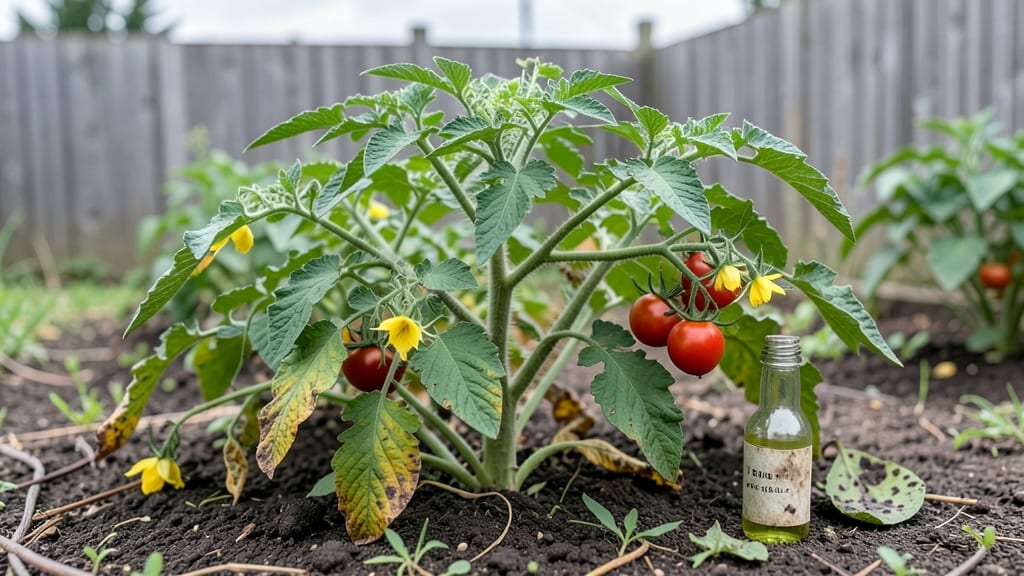
Tomato plants are toxic to pets and children because their leaves, stems, and unripe fruit contain solanine and tomatine, which can cause vomiting, diarrhea, or lethargy. Only fully ripe red fruit is safe for human consumption, while green parts should be avoided entirely.
These harmful compounds—solanine and tomatine—are natural defenses in unripe tomatoes and every other part of the plant. 🌱 While adults might only experience mild stomach upset, pets like dogs or cats can suffer more severe reactions, including weakness or even neurological symptoms if they ingest large amounts.
The good news? Once tomatoes turn fully red, their solanine levels drop dramatically, making them safe to eat. Still, it's best to keep curious kids and pets away from the plant entirely, especially when pruning or harvesting.
If you're growing tomatoes in a family-friendly garden, consider adding pet-safe alternatives like basil or marigolds nearby. These not only deter pests but also provide vibrant, non-toxic options for little hands to touch safely.
💡 In This Article
- Toxic Compounds in Tomato Plants: Solanine and Tomatine Risks
- Safe Tomato Plant Alternatives for Gardens with Kids and Pets
Toxic compounds in tomato plants: solanine and tomatine risks
Here's what's actually happening chemically: tomato plants produce two glycoalkaloids—solanine and tomatine—as natural pesticides to deter insects and herbivores. Solanine concentrations in green tomatoes can reach 5-10 mg per 100g of plant material, while tomatine levels are typically 2-5 mg per 100g in leaves and stems.
These compounds work by binding to cell membranes in animal digestive systems, disrupting normal function. 🔥 For perspective, that's about 100 times more potent than the caffeine in a cup of coffee per gram of plant material.
The danger escalates with consumption because these compounds aren't just bitter—they're neurotoxic at higher doses. In pets, solanine interferes with acetylcholine receptors in the nervous system, potentially causing muscle weakness or tremors. Children under 5 years old are most vulnerable because their smaller bodies can't metabolize these toxins as efficiently.
What most people don't realize is that even small amounts of green tomato skin or stems can trigger symptoms within 6-12 hours, starting with drooling and loss of appetite.
Ripeness changes everything because the tomato's natural defense system shuts down as the fruit matures. Fully red tomatoes contain 90% less solanine than green ones, thanks to enzymatic breakdown during ripening.
The skin becomes the most concentrated area for residual toxins, which is why peeling tomatoes adds an extra safety margin. This biological process explains why gardeners often see their pets avoid green tomato vines but investigate ripe fallen fruit—nature's own warning system is working.
Symptoms vary dramatically by species: dogs may show dilated pupils and excessive thirst within hours, while cats often experience lethargy and vomiting that lasts 24-48 hours.
The key factor is dosage—0.2 mg of solanine per kg of body weight can cause mild gastrointestinal upset, but 5 mg/kg becomes life-threatening. For a 20 lb dog, that means just 10-15 green leaves could push them into the dangerous range.
What makes this particularly tricky is that these compounds don't have a distinct odor or taste—unlike, say, foxglove's bitter leaves. The plant's toxic parts look identical to safe ones until they ripen.
This is why veterinary emergency rooms see cases year-round, especially during summer when tomato gardens are in full production. The good news? Cooking doesn't eliminate the toxins completely—only complete ripeness does, which is why gardeners should always harvest green tomatoes for cooking and compost the leaves immediately.
Here's a critical comparison: while a single green tomato contains enough solanine to make a 10 lb cat sick, the same ripe tomato would require 5-10 times the amount to cause similar effects in humans.
This dramatic difference explains why pet owners face stricter warnings than human consumers—our larger bodies have built-in buffers that smaller animals lack. 💫
The science behind this involves understanding plant chemistry's dual role: these compounds protect the plant from pests while creating potential hazards for animals that consume them.
What most gardeners overlook is that even dried tomato leaves retain 50% of their original solanine content, making compost piles another hidden risk zone for curious pets.