Pruning
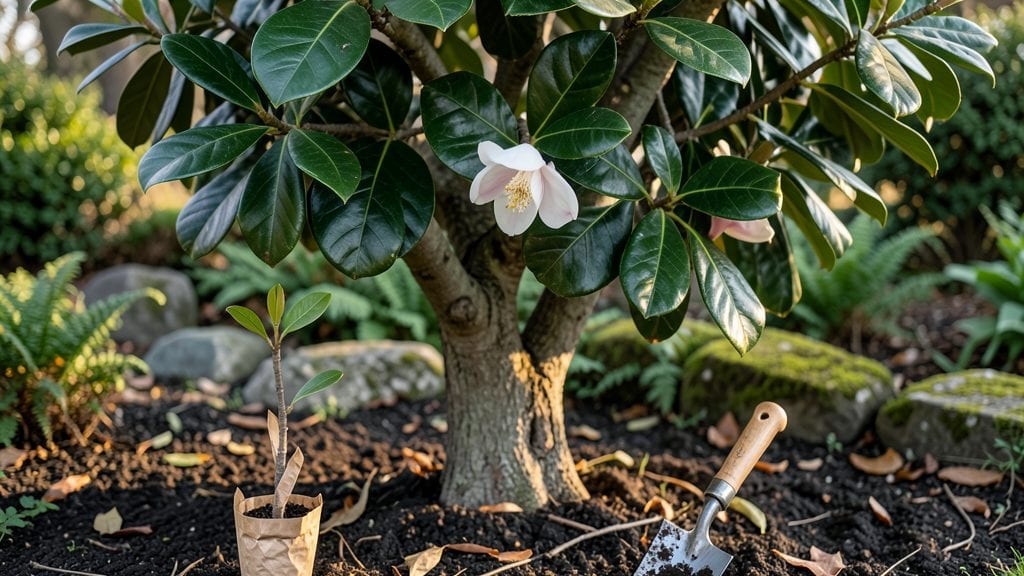
Planting a tree during your wedding creates a living legacy that grows with your love. ✨ I’ve seen couples transform their ceremony into a promise to nurture something lasting, and the symbolism of roots running deep feels far more meaningful than cut flowers that wilt.
The right tree—native, drought-resistant, and symbolic—becomes the centerpiece of your celebration while honoring the land you’re standing on.
This isn’t just about aesthetics; it’s about sustainability. Guests can participate by planting saplings together, or you can choose a single tree to represent your union. Think dogwood for resilience, maple for strength, or cherry blossom for fleeting beauty.
The ceremony location matters too—whether it’s a backyard, orchard, or community garden, the setting should feel sacred, not just decorative.
You’ll leave with a memory that keeps growing: a tree that matures alongside your marriage, bearing fruit or shade for years to come. The decor—simple wooden signs, woven ribbons, or even engraved stakes—can tie into your theme without overwhelming the natural beauty.
Plus, it’s an eco-friendly alternative that guests will talk about long after the reception.
Here’s the best part: the tree becomes part of your story. Whether it’s a redbud for hope or an oak for endurance, you’re planting more than wood—you’re planting a future. And with a little care, that future will be thriving long after the wedding day.
📚 In This Guide
- What you need
- Instructions
- Tips and common mistakes
- Wrapping up and next steps
What you need
- ● Saplings or young trees: 10–50 (depending on guest count). Choose native species for sustainability—ask a local nursery for recommendations!
- ● Compost or soil amendments: 5–10 bags (depending on soil quality). Aim for organic, nutrient-rich options.
- ● Watering cans or hoses: 2–4 (for immediate post-planting hydration).
- ● Shovels or trowels: 5–10 (one per planting team or pair). Opt for ergonomic designs for comfort.
- ● Mulch: 10–20 yards (to retain moisture and suppress weeds). Pine straw or wood chips work well.
- ○ Biodegradable plant markers: 10–50 (optional but helpful for labeling species or guest names).
- ● Wheelbarrow or bucket: 1–2 (for transporting soil and tools).
- ● Gloves: 10–15 pairs (to protect hands from dirt and thorns).
- ● Measuring tape: 1 (for spacing saplings evenly).
- ● Portable water source: 1–2 (e.g., a water jug or refillable tank for remote locations).
- ● First-aid kit: 1 (for minor scrapes or stings—nature can be unpredictable!).
- ● Location approval: Confirm with landowners or park authorities. Some areas require permits for large-scale planting.
- ● Weather check: Schedule for a day with gentle rain or plan for irrigation if it’s dry.
- ● Guest preparation: Provide aprons or old clothes—this is a hands-on event!
- ● Backup plan: Extra saplings or potted plants in case of unexpected soil issues.
Step-by-step guide to hosting a tree planting wedding
Transform your special day into a living legacy with this thoughtful, nature-infused ceremony.
🌱 Step 1: Choose the Perfect Tree and Location
Select a tree species native to your region—it will thrive with minimal care and symbolize lasting roots. I recommend consulting a local arborist to determine the best variety for your climate. For a wedding with four guests, a medium-sized tree like a dogwood or crabapple works beautifully, offering both symbolic meaning and visual appeal.
Choose a location that holds personal significance—perhaps where you first met or a spot with panoramic views. Ensure the site has well-draining soil and receives the appropriate sunlight for your chosen tree. I always test the soil pH beforehand; most trees prefer a slightly acidic to neutral range (6.0-7.0). Mark the planting area with stakes to outline the hole’s dimensions—typically twice as wide and deep as the tree’s root ball.
🪴 Step 2: Prepare the Planting Site and Gather Supplies
Dig a hole with smooth, sloping sides to encourage root growth. The hole should be 12-18 inches wider than the root ball but no deeper—planting too low can suffocate the roots. Break up any large clumps of soil at the bottom to improve drainage. If your soil is heavy clay or sandy, mix in 2-3 inches of compost from your list to enrich the native soil.
Gather your supplies: a shovel, wheelbarrow, gloves, mulch, and stakes with ties if needed. I like to set up a small station with these items near the planting site so everything is within reach. For a wedding ceremony, consider adding biodegradable plant markers with the couple’s names and date to double as keepsakes.
☀️ Step 3: Plant the Tree with Care and Ceremony
Gently remove the tree from its container and loosen the roots if they’re circling. Place the tree in the hole so the top of the root ball sits level with the surrounding soil—never bury the trunk too deeply. Backfill the hole with native soil, tamping it down lightly in 2-inch layers to eliminate air pockets. Water thoroughly after each layer to settle the soil.
For the ceremony itself, have the couple and guests take turns adding soil to the hole as they recite vows or share well-wishes. This hands-on participation creates a memorable, interactive experience. Once planted, mound 2-3 inches of mulch around the base, keeping it 3-4 inches away from the trunk to prevent rot. Water deeply to help the roots establish contact with the surrounding soil.
✂️ Step 4: Stake and Protect the New Tree
If your tree is tall or top-heavy, install 2-3 stakes positioned 6-12 inches from the trunk at a 45-degree angle. Use soft ties to secure the tree without girdling the trunk—check them monthly and loosen as the tree grows. For a wedding, these stakes can double as decorative elements; choose ones that match your ceremony’s aesthetic.
Protect the young tree from foot traffic and pets by creating a small barrier of rocks or a temporary fence around the base. I’ve found that guests often linger to admire the newly planted tree, so a designated area keeps it safe. Water the tree once a week for the first month, then taper to every 2-3 weeks once established, depending on rainfall. This routine ensures the tree gets off to a strong start.
💧 Step 5: Celebrate and Maintain the Living Legacy
After the ceremony, host a small reception near the planting site to celebrate the union and the tree’s future growth. Include native plants or wildflowers in your decor to complement the natural theme. For a lasting keepsake, plant a small sapling or wildflower in a pot for each guest to take home—a symbol of the love and growth you’re nurturing together.
Schedule a follow-up visit 3-6 months later to check on the tree’s progress. Prune any dead or crossing branches and add more mulch if needed. Over time, the tree will grow into a stunning centerpiece for your property, serving as a tangible reminder of your wedding day. I always encourage couples to return to the tree on anniversaries, watching it flourish as their love does.
Tips & tricks for perfect tree planting wedding ceremony
Creating a meaningful tree planting wedding goes beyond the basics—here’s how to elevate every detail for a ceremony that feels as timeless as the tree you’re planting.
Location and Soil Preparation: The foundation of your tree’s success starts with the planting site. Beyond testing soil pH (aim for that 6.0-7.0 range), I recommend digging the hole a full day before the ceremony if possible. This allows the soil to settle naturally, preventing compaction during the event. For a dramatic effect, place a few biodegradable plant markers at the edges of the hole beforehand—these can subtly spell out the couple’s names or wedding date, serving as a hidden surprise during the ceremony.
Tree Selection for Symbolism: While dogwoods and crabapples are excellent choices, consider the tree’s symbolic meaning when selecting. A redbud blooms early spring, representing renewal, while a maple symbolizes strength and longevity. I always suggest bringing a small reference photo of the mature tree to show guests during the ceremony—it helps them visualize the couple’s future together growing alongside their love.
Ceremony Flow: The most memorable tree planting weddings I’ve seen incorporate a three-stage soil addition ritual: first, the couple adds soil while reciting vows; then, guests take turns adding soil as they share well-wishes; finally, the couple adds the final layer together. This creates a natural progression that mirrors the growth of their relationship. For a touch of elegance, use ceramic or wooden scoops instead of hands—it adds a formal element while keeping the process interactive.
Post-Ceremony Care: The 3-6 month follow-up visit mentioned in the instructions is non-negotiable, but here’s a pro tip: take photos during this visit and create a small album for the couple. Include before/after shots of the tree, notes about its growth progress, and even a handwritten note about how the ceremony day felt. This becomes a beautiful keepsake that captures both the day and the tree’s journey, serving as a living timeline of their marriage.
Pro Tips for Tree Planting Wedding
- Creating a meaningful tree planting wedding goes beyond the basics—here’s how to elevate every detail for a ceremony ...
- Location and Soil Preparation: The foundation of your tree’s success starts with the planting site. Beyond testing so...
- Tree Selection for Symbolism: While dogwoods and crabapples are excellent choices, consider the tree’s symbolic meani...
Frequently asked questions
Got questions about turning your big day into a tree-planting ceremony? Here are some of the most common ones—and their answers—to help you plan with confidence!
What’s the best time of year to plant a tree for a wedding?
The ideal time is late fall or early spring (just before the growing season), when trees are dormant but can establish roots before extreme weather. Avoid summer weddings—hot conditions stress young trees. If you’re set on a summer date, opt for fast-growing species like willows or poplars and schedule planting for early morning or late afternoon to reduce stress.
Can we still have a tree-planting wedding if we’re not outdoorsy?
Many couples incorporate tree planting into traditional indoor ceremonies by symbolically planting a seedling (like a bonsai or potted tree) during the vows, then transplanting it later. Alternatively, partner with a local nursery to pre-plant a tree in your honor—they’ll send you a certificate and photos! Think of it as a living legacy without the gardening hassle.
How long does the tree-planting process take during the ceremony?
Plan for 10–20 minutes depending on the tree size and group involvement. For a seamless experience:
- Pre-dug holes save time (hire a crew ahead of time).
- Assign roles (e.g., one person holds the tree, another fills soil).
- Use smaller trees (1–3 gallons) for quicker planting.
What if it rains on our tree-planting wedding day?
Rain isn’t a dealbreaker! If light showers are forecasted:
- Schedule planting for a covered area (like a pavilion or tent).
- Bring waterproof gloves and knee pads for guests.
- Choose a rain-resistant tree (e.g., oaks, maples, or fruit trees).
Do we need to hire a professional, or can we DIY?
You can DIY if you’re comfortable with:
- Digging holes (rent a post-hole digger for ease).
- Staking young trees (use 3 stakes per tree for stability).
- Mulching properly (keep mulch 3 inches away from the trunk).
Wrapping up and next steps
A tree planting wedding isn’t just a ceremony—it’s a promise to nurture love and the planet. 🌱 By blending natural beauty with meaningful symbolism, you create a legacy that grows alongside your marriage.
Whether you’re swapping vows under a sapling or celebrating with a symbolic planting, this eco-conscious choice reflects your values and leaves a lasting impact.
Ready to turn your dream into reality? Start by reaching out to local environmental groups or wedding planners specializing in sustainable ceremonies. Your love story—and the Earth—will thank you!