Companion Plants
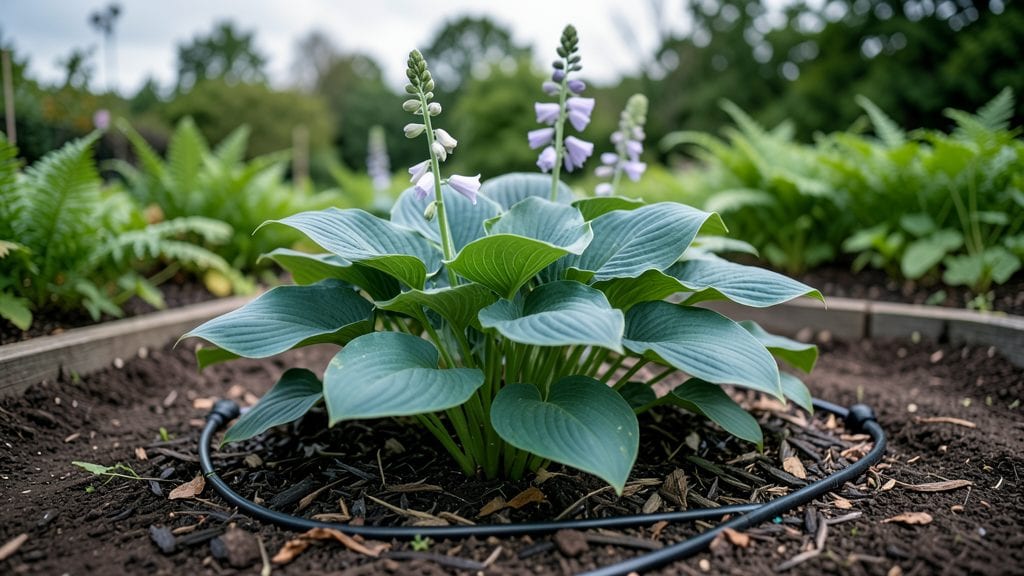
Transform your shady spots into a thriving woodland garden with woodland shade plants—the secret weapon for lush, green spaces under trees. 🌿 I’ve turned my darkest corner into a velvety green retreat by choosing plants that naturally flourish where sunlight barely reaches.
These aren’t just survivors; they’re showstoppers with textures ranging from delicate ferns to bold hosta leaves.
The key is mimicking their natural habitat: moist, well-draining soil rich in organic matter. A thick layer of mulch keeps roots cool and retains moisture, while layering plants by height—tall hellebores in back, mid-height astilbes, and ground-hugging ajugas—creates that magical woodland effect.
Most of these plants thrive on neglect once established, making them perfect for busy gardeners.
Imagine a garden that stays vibrant year-round: spring’s hellebore blooms, summer’s fern fronds, and fall’s fiery foliage from Japanese anemones. The scent of damp earth after rain and the rustling of leaves in a breeze make this more than just a garden—it’s a sanctuary.
You’ll love how these plants work together, filling every inch with life.
Whether you’re working with a deep forest understory or a dappled backyard nook, these plants adapt beautifully. Start small with a few favorites, then expand as you see what thrives. The best part? Once planted, they’ll reward you with minimal effort and maximum impact for years to come.
📚 In This Guide
- What you need
- Instructions
- Tips and common mistakes
- Wrapping up and next steps
What you need
- ● Woodland shade plants: 5–10 mature plants (e.g., Hosta, Ferns, Astilbe, Hellebores, or Lungwort). Choose varieties with varying heights (1–4 ft) for texture.
- ● High-quality soil: 2–3 cubic yards of well-draining, organic-rich soil (amend with compost or peat moss if your soil is clay-heavy).
- ● Mulch: 2–3 bags of shredded bark or pine needles (2–3 inches deep) to retain moisture and suppress weeds.
- ● Watering can or hose: With a gentle spray nozzle for delicate foliage.
- ● Garden trowel or spade: For planting and soil prep.
- ● Pruners: Sharp, clean pair for trimming dead foliage.
- ● Garden gloves: Heavy-duty to protect hands from thorns or rough textures.
- ● Measuring tape or ruler: To space plants 12–24 inches apart (depending on variety).
- ○ Wheelbarrow (optional): For hauling soil or mulch.
- ● Slow-release fertilizer: 10–20 lbs of balanced, organic fertilizer (e.g., 10-10-10) for nutrient-boosting.
- ● Drip irrigation system: To automate watering in dry spells.
- ● Decorative stones or logs: For borders or focal points.
- ● pH testing kit: To ensure soil pH is ideal (5.5–6.5) for most woodland plants.
Step-by-Step guide to creating a thriving woodland shade garden
Here’s how to build a lush, low-maintenance woodland garden that feels alive and vibrant.
🌱 Step 1: Choose the Right Plants for Your Shade Conditions
Start by selecting plants that naturally thrive in dappled to full shade—think hostas, ferns, astilbes, and lungwort. These plants love 4-6 hours of indirect sunlight and tolerate cooler, moister soil. I always check the mature size of each plant to avoid overcrowding—some, like hostas, spread aggressively and need space.
Group plants by their light preferences: place sun-loving varieties on the garden’s edge where light filters through, and deeper shade lovers in the center. This creates a natural gradient that mimics a woodland understory. If your area gets only 2-3 hours of light, focus on ferns, hellebores, and Japanese painted ferns—they’ll still flourish.
🪴 Step 2: Prepare the Soil for Moisture-Retentive Growth
Woodland plants prefer rich, well-draining soil that stays consistently moist but never waterlogged. Amend your native soil with 3-4 inches of compost and a handful of peat moss to improve moisture retention. I avoid heavy clay soil—it can suffocate roots—so I mix in coarse sand if needed to loosen the texture.
Test your soil’s moisture level by squeezing a handful: it should hold together but not feel soggy. If it crumbles easily, add more compost. Mulch heavily with 2-3 inches of shredded bark or leaf mold to keep roots cool and retain humidity. This mimics the natural leaf litter of a forest floor and reduces watering needs.
☀️ Step 3: Plant with Proper Spacing and Layering
Dig holes twice as wide as the root ball but only as deep as the container’s base. Gently loosen roots if they’re circling, then place the plant so the top of the root ball sits just below soil level—never deeper. I like to backfill with a mix of native soil and compost to encourage root spread.
Layer plants by height: tall grasses like carex or Hakonechloa go in the back, mid-height perennials like heuchera or tiarella fill the middle, and low-growing ground covers like ajuga or sweet woodruff cover the front. This creates depth and mimics the natural tiers of a woodland.
💧 Step 4: Water Deeply and Maintain Consistent Moisture
Water deeply once a week (or daily in extreme heat) to encourage strong root growth. Aim for 1-1.5 inches of water per week, delivered slowly at the base to avoid wetting leaves—this prevents fungal issues. I use a soaker hose for even moisture distribution, which is gentler than overhead watering.
Check soil moisture by sticking your finger 2 inches deep: if it feels dry, water again. Woodland plants hate drought stress, so consistency is key. Once established (after 6-12 months), they’ll need less frequent watering, but young plants require regular care to thrive.
✂️ Step 5: Prune and Mulch for Long-Term Health
Remove dead or yellowing leaves in early spring to encourage new growth. For ferns, cut back brown fronds to the ground after they’ve died back. I avoid heavy pruning—woodland plants grow slowly, so I only shape them lightly to maintain their natural form. Divide overcrowded plants like hostas in early spring or fall to keep them vigorous.
Add a 2-inch layer of mulch annually to suppress weeds and retain moisture. I use shredded leaves or pine needles because they break down slowly and improve soil structure over time. Avoid piling mulch against stems—keep it 2 inches away to prevent rot.
Tips & tricks for perfect woodland shade gardens
Creating a thriving woodland shade garden takes a few key tricks to mimic nature's perfect balance. Here's how to elevate your garden from good to breathtaking.
Plant Selection Strategy: When choosing your woodland plants in Step 1, consider their mature spread—especially for aggressive growers like hostas. I always measure the plant's diameter and mark a circle in the garden bed to visualize its full size. This prevents overcrowding and ensures each plant gets the light it needs. For areas with only 2-3 hours of light, focus on ferns and hellebores—they'll reward you with lush growth where others might struggle.
Soil Prep Secret: In Step 2, don't skip the soil moisture test—it's the difference between thriving plants and struggling ones. I like to mix in 1 part compost to 2 parts native soil for best results. For heavy clay soil, add 1/4 part coarse sand to improve drainage while maintaining moisture. The mulch layer should be 2-3 inches thick—this mimics the forest floor and keeps roots consistently cool and moist.
Layering Like a Pro: When planting in Step 3, think vertically! Place taller plants like carex in the back, mid-height perennials like heuchera in the middle, and ground covers like ajuga in the front. This creates that magical woodland depth. I always plant in clusters of 3-5 plants for a natural, full look rather than single specimens.
Watering Wisdom: The once-a-week deep watering in Step 4 is crucial, but timing matters too. Water in the early morning to allow foliage to dry before evening—this prevents fungal issues. Use a rain gauge to track your 1-1.5 inches of water per week. For newly planted areas, I water every 2-3 days until established, then taper to the weekly schedule.
Pro Tips for Woodland Shade Plants
- Creating a thriving woodland shade garden takes a few key tricks to mimic nature's perfect balance.
- Plant Selection Strategy: When choosing your woodland plants in Step 1, consider their mature spread—especially for aggressive growers like hostas.
- Soil Prep Secret: In Step 2, don't skip the soil moisture test—it's the difference between thriving plants and struggling ones.
Frequently asked questions
Got questions about growing woodland shade plants? You’re not alone! Here are some of the most common concerns—plus quick, practical answers to help you nail that dreamy, low-light garden.
What are the best woodland shade plants for beginners?
Start with hostas, heucheras, or ferns—they’re forgiving, hardy, and thrive in partial to full shade. Astilbes and bleeding hearts are also great picks for their vibrant foliage and easy care. Pro tip: Choose plants labeled "part shade" or "full shade" to avoid disappointment!
How long does it take for woodland shade plants to establish?
Most woodland shade plants take 1–2 years to fully establish, but some like hostas or heucheras may show steady growth in their first season. Patience pays off—established plants handle drought and pests better. Water deeply the first year to encourage root development.
Do woodland shade plants need frequent watering?
Not usually! Once established, many woodland plants (like foamflower or sweet woodruff) prefer moist but well-draining soil and can tolerate occasional dry spells. Water deeply 1–2 times per week during the first year, then taper off. Mulch helps retain moisture and regulate soil temperature.
Can I grow woodland shade plants in containers?
Hostas, ivy, and Japanese painted ferns do well in containers with well-draining potting mix and partial shade. Use pots with drainage holes and repot every 2–3 years to refresh the soil. Just avoid letting them dry out completely!
What pests commonly affect woodland shade plants?
Watch for slugs, aphids, and deer (they love tender foliage!). Slugs thrive in damp shade—use copper barriers or beer traps to deter them. For aphids, spray with soapy water. Deer-resistant picks include heucheras or lamium.
What if my woodland shade plants look leggy or sparse?
Leggy growth often means too much light or poor nutrition. Move the plant to a shadier spot or fertilize lightly with a balanced, slow-release fertilizer in early spring. Prune back overgrown stems in late winter to encourage bushier growth.
Wrapping up and next steps
Transforming your shady garden into a vibrant woodland haven is easier—and more rewarding—than you think! 🌿 From hostas and heucheras to ferns and astilbes, these shade-loving plants bring texture, color, and life to even the trickiest spots.
With the right care and a little creativity, you’ll create a lush, low-maintenance retreat that feels like a secret garden.
Ready to get started? Pick one or two plants from this list, grab your gardening tools, and begin your woodland shade journey today—your future shady oasis is waiting! 🌱