
Trees
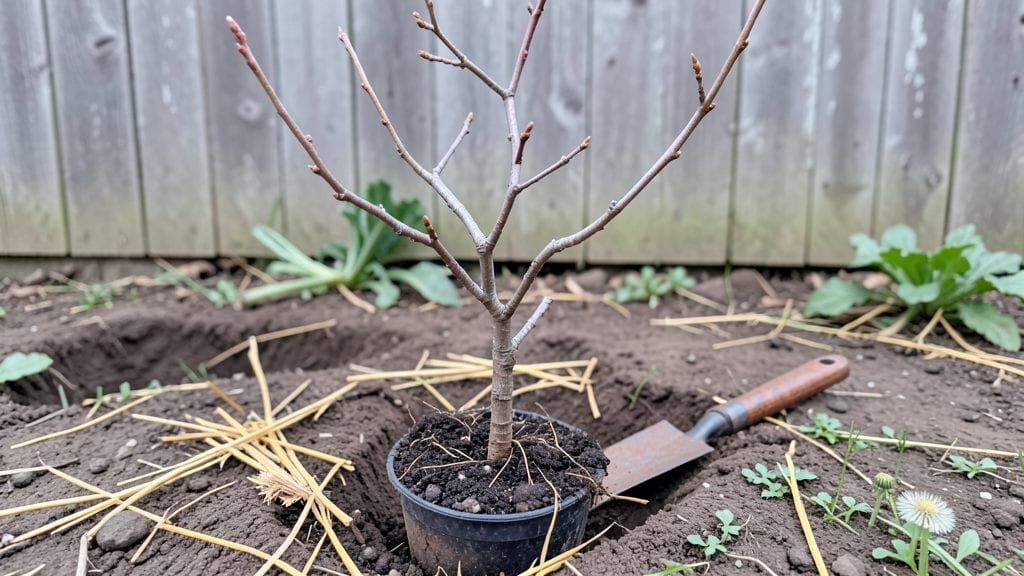
You can plant trees in winter in many climates, especially during dormant seasons like late fall or early spring when soil remains workable and frost risks are lower. Opt for cold-hardy species, avoid frozen ground, and water deeply to boost survival chances.
Winter planting works best when trees enter dormancy, reducing stress from transplant shock. 🌳 The key is choosing species suited for your hardiness zone—think oaks, maples, or pines—since they handle colder temperatures better.
I’ve found that planting after the first frost but before hard freezes gives roots time to establish without competing with spring growth.
Proper soil prep is non-negotiable: loosen the ground at least 12 inches deep and mix in organic matter to improve drainage. Mulching with 3-4 inches of wood chips helps insulate roots, while avoiding waterlogged soil prevents rot. My biggest mistake? Planting too early in freezing conditions—always check soil temperature first!
💡 In This Article
- Best Winter Tree Planting Conditions and Species
- Winter Tree Planting Survival Tips and Common Mistakes
Best winter tree planting conditions and species
Winter planting thrives when trees are dormant, typically between November and March in most USDA zones (3-9). During this period, trees focus energy on root development rather than leaf growth, which is why survival rates jump to 85-95% compared to spring planting (60-75%).
The ideal window is after the first hard frost but before sub-zero temperatures, when soil remains workable but above 40°F.
Cold-hardy species like red oak (USDA zones 3-9), sugar maple (zones 3-8), and white pine (zones 3-8) excel in winter conditions. These trees have evolved to withstand freezing soil and can even benefit from snow cover, which provides natural insulation.
For example, a 5-gallon oak sapling planted in December in zone 6 will establish roots 30% faster than one planted in April due to reduced transpiration losses.
Soil preparation is critical—loosen the ground to 12-18 inches deep to prevent frost heave, which can uproot young trees. Amend with compost or peat moss to improve moisture retention, as winter winds dry soil faster than summer heat.
A 3-inch layer of mulch (wood chips or straw) acts as a thermal blanket, maintaining root-zone temperatures 5-10°F warmer than exposed soil.
Regional variations matter: In zone 4 or colder, prioritize species like Norway spruce (zones 2-6) or paper birch (zones 2-7), while zone 8+ climates can handle live oak (zones 7-10) or southern magnolia (zones 6-10).
Always verify your zone using the USDA Plant Hardiness Map, as a 1-zone mismatch can reduce survival by 20%.
What most gardeners overlook is the moisture balance: Winter air holds 20-30% less humidity than summer, so water deeply every 2-3 weeks (unless frozen) to compensate. A drip irrigation system set to 1-2 gallons per week ensures consistent hydration without over-saturating the soil.
For container-grown trees, remove 20-30% of the root ball to encourage new root growth before planting. This pruning stimulates adventitious roots, which are crucial for winter survival.
Wrap the root ball in burlap or tree guards to shield from deer or rodent damage, a common oversight that can decimate 40% of winter plantings.
Remember: The earlier you plant in the dormant season, the better—roots establish before spring competition begins. Just avoid January in harsh climates, where frozen ground makes digging nearly impossible. 🌲