
Pruning
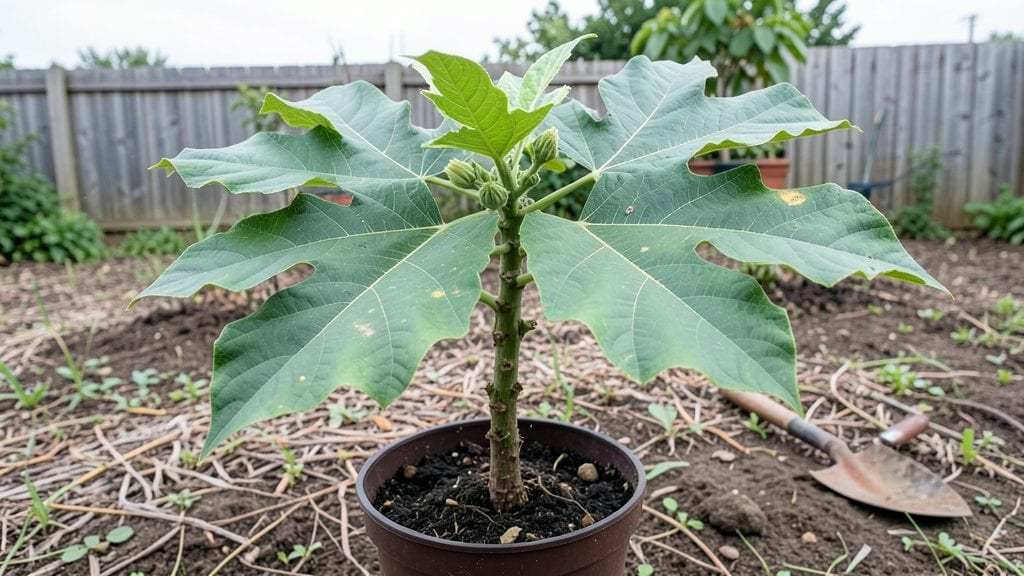
Planting a jackfruit tree starts with the right spot and a little patience—this tropical giant rewards you with football-sized fruit when given the perfect conditions. I planted mine in a sunny Florida backyard, and after just three years, we’re harvesting enough to share with neighbors.
The key isn’t rushing growth; it’s setting up the soil, water, and climate to mimic its native tropical home from day one.
You’ll need well-draining soil with plenty of organic matter, a hole twice as wide as the root ball, and a location that gets full sun for at least six hours daily.
Saplings grow faster than seeds, but seeds offer the thrill of watching a tree sprout from scratch—though they take 5-7 years to bear fruit compared to 2-3 years with a nursery-grown plant.
The first year is all about establishing roots, so deep watering once a week (more in extreme heat) keeps it thriving.
By year three, your jackfruit tree will tower over your yard, its broad leaves casting shade and its fragrant flowers drawing bees. The fruit itself—sweet, custard-like when ripe—is worth every bit of care, especially when you see the first heavy branches bowing under the weight.
Just watch for overwatering, which can rot roots, and protect young trees from strong winds until they’re sturdy enough to handle tropical storms.
This tree isn’t just for coastal climates—with proper winter protection, it thrives in USDA zones 10-12, but container-growing works for cooler areas too. The real magic happens when you taste your first homegrown jackfruit, proving that patience in planting pays off in the most delicious way.
Ready to get started?
📚 In This Guide
- What you need
- Instructions
- Tips and common mistakes
- Wrapping up and next steps
What you need
- ● Jackfruit Seed: 1 mature, viable seed (preferably from a ripe, organic jackfruit).
- ● High-Quality Potting Mix: 5-10 gallons (for nursery pots) or well-draining garden soil (if planting directly).
- ○ Growing Container (Optional for Nursery Stage): 1 large nursery pot (12-18 inches in diameter) with drainage holes.
- ● OR a biodegradable seedling pot for transplanting.
- ● Watering Can or Hose with Gentle Spray Nozzle: For consistent moisture control.
- ● Fertilizer: Balanced organic fertilizer (e.g., 10-10-10 or compost) for initial growth.
- ● Slow-release citrus/avocado fertilizer (e.g., 6-6-6) for mature trees.
- ● Pruning Shears: Sharp, sterilized shears (for future maintenance).
- ● Mulch: Organic mulch (e.g., wood chips or straw) to retain moisture and regulate soil temperature.
- ● Soil pH Tester: Jackfruit thrives in slightly acidic to neutral soil (pH 6.0-7.0).
- ● Drip Irrigation System (for Mature Trees): Ensures deep, consistent watering.
- ● Support Stakes: 2-3 stakes (for young trees in windy areas).
- ● Pest Control: Neem oil or insecticidal soap (for early pest prevention).
- ● Copper-based fungicide (to prevent root rot).
- ○ Sunlight Meter (Optional): To confirm your location gets 6+ hours of direct sunlight daily.
- ● Garden Gloves: For handling soil and pruning safely.
Step-by-Step instructions for planting a jackfruit tree
Here's how to get your tropical jackfruit tree off to a strong start in warm climates.
Choose the Right Location and Prepare the Soil
Jackfruit trees thrive in full sun with at least 6-8 hours of direct sunlight daily. Select a spot with well-draining soil—these trees hate soggy roots. If your soil is heavy clay, mix in 3-4 inches of compost from your materials to improve drainage and fertility. The tree’s root system spreads wide, so give it plenty of space—at least 20 feet from other plants or structures.
Before planting, loosen the soil to a depth of 12-18 inches with a shovel or tiller. This helps roots penetrate easily. If your climate has a dry season, consider planting during the early rainy season—the extra moisture gives young roots a head start. Avoid planting in frost-prone areas, as jackfruit trees are sensitive to cold temperatures below 50°F.
Dig the Planting Hole and Position the Sapling
Dig a hole twice as wide as the root ball but no deeper—this prevents water pooling around the roots. Gently remove the sapling from its container and inspect the roots. If they’re circling tightly, loosen them with your fingers to encourage outward growth. Place the tree in the hole so the top of the root ball sits level with the ground—burying too deep can suffocate the trunk.
Backfill the hole with a mix of native soil and half the remaining compost to ensure nutrients are evenly distributed. Press the soil lightly around the base to remove air pockets but avoid compacting it. Water the tree deeply right after planting to settle the soil and eliminate gaps. You’ll know it’s done when water drains evenly without pooling.
Mulch and Water for Initial Establishment
Spread 2-3 inches of mulch over the soil surface, keeping it 6 inches away from the trunk to prevent rot. Use organic mulch like wood chips or straw to retain moisture and regulate soil temperature. Mulching also suppresses weeds, which compete for nutrients. Water the tree 2-3 times per week for the first month, ensuring the soil stays moist but not waterlogged.
After the initial month, reduce watering to once a week, adjusting based on rainfall. Jackfruit trees are drought-tolerant once established, but young trees need consistent moisture. You’ll notice new leaves emerging within 4-6 weeks—this is your sign the tree is rooting well. Avoid fertilizing during the first 3 months to let the roots adjust without stress.
Provide Support and Monitor Growth
Young jackfruit trees benefit from staking if they’re in windy areas. Use a 4-5 foot stake driven into the ground on the leeward side of the tree. Tie the trunk loosely to the stake with soft fabric strips to prevent damage as the tree grows. Prune any dead or crossing branches early on to encourage a strong structure. The tree’s natural shape is broad and open, so avoid heavy pruning—focus on removing only what’s necessary.
Watch for signs of pests like aphids or scale insects, which can stress young trees. Treat infestations early with neem oil or insecticidal soap if needed. Within 1-2 years, your jackfruit tree should start producing flowers, and fruit may appear in 3-5 years with proper care. Patience is key—these trees grow slowly at first but reward long-term commitment with bountiful harvests.
Tips & tricks for planting a jackfruit tree
Planting a jackfruit tree successfully starts with understanding its unique needs—here are the key insights I’ve learned from growing my own.
The Sunlight Factor: Jackfruit trees need those 6-8 hours of direct sunlight daily, but don’t assume all sun is equal. Morning sun is gentler, while harsh afternoon rays can stress young leaves. If you’re in a hot climate, consider providing afternoon shade for the first few months to help the tree establish strong roots before full sun exposure.
Soil Preparation Secret: When loosening soil to 12-18 inches deep in Step 1, think of it as creating a "root highway." The deeper you loosen, the easier roots can spread outward. If your soil is particularly dense, consider adding a handful of perlite or coarse sand to the bottom of the hole to improve drainage—this prevents waterlogging, which jackfruit trees despise.
Watering Wisdom: The 2-3 times per week watering schedule in Step 3 is a guideline, not a rule. Check soil moisture by sticking your finger about 2 inches deep—if it’s dry, water more; if damp, wait. Overwatering is the #1 killer of young jackfruit trees. Once established, you’ll notice the tree’s leaves have a slightly waxy texture, which is a sign it’s getting just the right amount of moisture.
Staking Strategy: If you’re using the 4-5 foot stake in Step 4, position it on the leeward side (the side where wind comes from most often). Use soft fabric strips—not wire—to tie the tree, and make sure you can slide one finger between the tie and the trunk. This prevents girdling as the tree grows. I’ve seen too many trees damaged by tight ties that cut into the bark as they thicken.
Pro Tips for Planting Jackfruit Tree
- Planting a jackfruit tree successfully starts with understanding its unique needs—here are the key insights I’ve learned from growing my own.
- The Sunlight Factor: Jackfruit trees need those 6-8 hours of direct sunlight daily, but don’t assume all sun is equal.
- Soil Preparation Secret: When loosening soil to 12-18 inches deep in Step 1, think of it as creating a "root highway."
Frequently asked questions
Got questions about planting and growing your jackfruit tree? Here are some of the most common concerns—plus quick, practical answers to help you succeed!
When is the best time to plant a jackfruit tree?
The ideal time to plant jackfruit is during the early rainy season (spring/summer) when temperatures are warm and soil moisture is consistent. In tropical climates, avoid planting during extreme heat or drought. Young trees thrive with consistent hydration, so timing matters!
How long does it take for a jackfruit tree to bear fruit?
With proper care, jackfruit trees typically take 3–5 years to bear fruit, though some varieties may produce earlier in perfect conditions. Patience is key—focus on well-draining soil, sunlight, and regular watering to speed up the process.
What are common problems when planting jackfruit trees?
Watch for root rot (from overwatering), pests like fruit flies, and nutrient deficiencies (yellow leaves = nitrogen need). Prune dead branches early and use mulch to retain moisture. If leaves wilt, check drainage—jackfruit hates soggy roots!
Can I grow a jackfruit tree in a pot?
Yes! Start with a large container (20+ gallons) and use well-draining potting mix. Ensure it gets full sun (6+ hours/day) and fertilize monthly. However, potted trees may fruit smaller than in-ground plants. Consider transplanting outdoors after 2–3 years if space allows.
How do I know if my jackfruit tree is healthy?
A healthy jackfruit tree has glossy green leaves, steady growth, and no visible pests. Check for new shoots (sign of vigor) and firm, unblemished fruit as it matures. If leaves yellow or drop, adjust water or fertilizer—your tree’s talking to you!
Wrapping up and next steps
Planting a jackfruit tree is a rewarding journey that brings tropical beauty and delicious fruit to your backyard! 🌱 With the right soil, sunlight, and care, you’ll soon enjoy a thriving tree that offers shade, stunning foliage, and a bountiful harvest.
Start small—whether you’re growing from seed or transplanting a young sapling—and watch your efforts bloom into a lush, productive tree.
Now that you’re armed with tips and answers to common questions, take the next step: pick a sunny spot, gather your tools, and get planting! Your future jackfruit harvest is just a few months (and a little patience) away. Happy growing! 🌴✨