
Fertilization
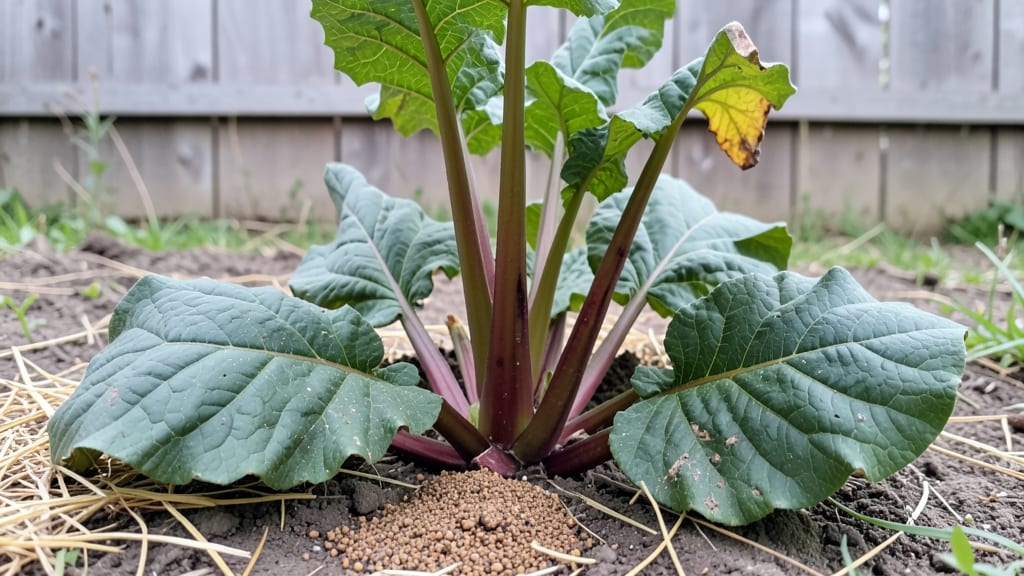
Fertilizing rhubarb plants 🍃 is the game-changer between a handful of thin stalks and a harvest that puts your neighbors to shame.
Struggling to grow rhubarb with thick, vibrant stalks? The secret may lie in your soil—and the right fertilizer strategy. Discover how pH levels and nutrient timing can transform your rhubarb from lackluster to legendary.
Most gardeners overlook the fact that rhubarb thrives when the soil pH sits between 5.5 and 6.5. Too acidic, and your plants fight to absorb nutrients; too alkaline, and they struggle to grow those plump, juicy stalks you crave.
But here’s the kicker: it’s not just about the numbers—it’s about when and how you feed them.
In this guide, I’ll walk you through the best fertilizers for rhubarb, the exact timing for spring and summer feeds, and how to avoid the three biggest mistakes that turn your garden into a leafy jungle instead of a stalk-producing powerhouse.
How soil pH directly impacts rhubarb growth and yield
If your rhubarb plants are producing thin, pale stalks or struggling to thrive, your soil pH might be the culprit. Rhubarb thrives in a slightly acidic to neutral range between 5.5 and 6.5. Outside this range, nutrient uptake suffers, leading to weak growth and poor harvests.
I’ve seen firsthand how adjusting pH can transform a struggling patch into a productive rhubarb bed—let’s dive into why this matters and how to fix it.
When soil pH strays too low (below 5.5), rhubarb struggles to absorb essential nutrients like phosphorus and calcium, causing yellowing leaves and stunted stalks. Conversely, alkaline soil (above 6.5) locks out iron and manganese, leading to chlorosis (yellowing between leaf veins) and reduced stalk thickness.
The key? Balancing your soil’s pH to unlock your rhubarb’s full potential.
Testing your soil’s pH is easier than you think. Grab a soil pH test kit (or use the vinegar and baking soda method for a quick check). For rhubarb, aim for that 5.5–6.5 sweet spot.
If your soil is too acidic, sprinkle garden lime and work it into the top 6 inches of soil. For alkaline soil, mix in elemental sulfur or peat moss to lower the pH gradually.
Here’s the kicker: pH affects more than just growth—it directly impacts your harvest. Optimal pH (5.5–6.5) ensures your rhubarb produces thicker, sweeter stalks with fewer leaves (which are toxic!).
Outside this range, you’ll get smaller yields and bitter-tasting stalks. Let’s compare how pH influences stalk size versus leaf production in the table below.
🌱
<comparison-table>Now that you understand the impact, let’s talk natural adjustments. For acidic soil, I recommend pelletized lime—it’s slow-release and won’t spike your pH overnight. Mix 1–2 pounds per 100 square feet into the topsoil in early spring.
If your soil is alkaline, elemental sulfur is your best bet. Work in 1–2 pounds per 100 square feet and water it in well.
Pro tip: Compost can also help buffer pH over time. Aim for a 2–3 inch layer around your rhubarb plants annually. This adds organic matter while gently nudging pH toward the ideal range. Plus, it improves soil structure, which rhubarb loves!
Don’t forget to retest your soil pH after 2–3 months to monitor changes. Rhubarb is a perennial, so once you get the pH right, your plants will reward you with bold stalks for years.
Start with small adjustments, observe your plants’ response, and soon you’ll be harvesting like a pro.
💧
Best fertilizers for rhubarb: organic vs. synthetic options
Rhubarb thrives when fed the right nutrients, but choosing between organic and synthetic fertilizers can be tricky. Your goal is to balance nitrogen for leafy growth, phosphorus for root development, and potassium for stalk strength.
Organic options like compost and manure slowly release nutrients, while synthetic fertilizers deliver quick results. Let’s break down the best choices for your rhubarb patch.
For organic fertilization, well-aged compost or manure (like cow or horse) is ideal. These improve soil structure and provide a steady nutrient supply. Bone meal adds phosphorus for root growth, while kelp meal boosts potassium.
Synthetic options like a 10-10-10 balanced fertilizer offer precise NPK ratios but require careful dosing to avoid over-fertilization.
Timing matters most! Apply spring fertilizers (like compost or a balanced 10-10-10) when new growth begins, and early summer feedings to support stalk development. Avoid fertilizing in fall or winter, as rhubarb rests during these seasons. Always water after applying fertilizer to prevent root burn.
Organic Fertilizers for Rhubarb
- Improves soil health long-term
- Slow-release nutrients reduce burn risk
- Enhances microbial activity in soil
- Slower results than synthetic
- Requires larger quantities for impact
- May contain weeds if not composted properly
Synthetic Fertilizers for Rhubarb
- Precise NPK ratios for quick growth
- Fast-acting for immediate results
- Compact and easy to store
- Risk of over-fertilization if misapplied
- Can harm soil microbes over time
- Requires frequent reapplication
For application methods, top-dressing (spreading fertilizer on soil surface) works well for organic options like compost. Side-dressing (applying fertilizer beside plant roots) is better for synthetic fertilizers to target root zones directly.
Always follow package instructions for synthetic products, and use 1 tbsp per plant for organic compost in spring.
My favorite approach? A mix of both! Start with compost at planting, then top-dress with 10-10-10 in early spring. Monitor your rhubarb’s response—vibrant stalks and lush leaves mean you’re on the right track.
Avoid fertilizing if stalks are already thick, as overdoing it can lead to bitter stalks or leafy regrowth at the expense of harvestable stems.
Remember, soil testing is your best friend. If your soil lacks nutrients, organic amendments like worm castings or fish emulsion can bridge the gap until your rhubarb establishes. With the right fertilizer strategy, you’ll enjoy bold, sweet stalks for years to come! 🌱