
Companion Plants
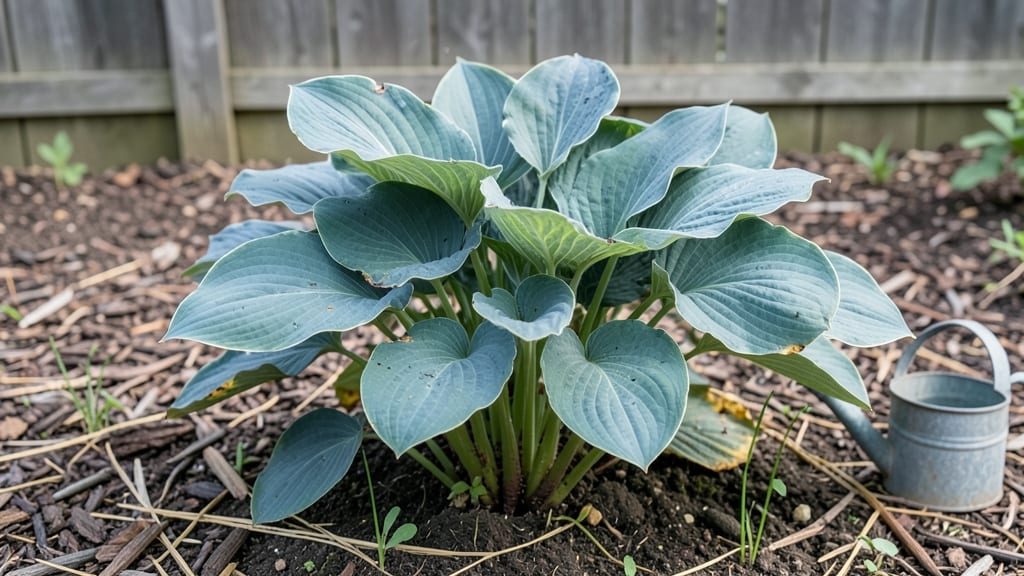
Shaded garden plants don’t mean settling for sad, sparse foliage—my understory thrives with velvety ferns, bold hostas, and bursting impatiens that steal the show in spots where sun barely reaches. 🌿 I’ve turned neglected corners into lush retreats by matching plants to light levels, and the results are nothing short of magical: deep green canopies, jewel-toned blooms, and textures that feel like a secret garden.
The secret isn’t complicated—just moist, rich soil and the right crowd. Ferns love dampness, hostas tolerate shade but need well-draining soil, and impatiens beg for consistent moisture. Mulch keeps roots cool and conserves water, while a layer of organic matter feeds the soil over time.
My shady beds stay vibrant all season with minimal fuss. What you’ll end up with is a layered garden that feels alive—tall ferns framing hosta clumps, impatiens spilling over edges, and delicate astilbes adding height.
The air smells fresher, the space feels cooler, and neighbors ask how I make it look so effortless. It’s all about the right players in the right spots.
This works for woodland gardens, city courtyards, or even under large trees. Start with a handful of plants, observe how they perform, and expand over time. The best part? You’ll create a sanctuary where light barely touches but beauty thrives—exactly what a shaded garden should be.
📚 In This Guide
- What you need
- Instructions
- Tips and common mistakes
- Wrapping up and next steps
What you need
- ● Shade-tolerant plants: 5–10 varieties (e.g., Hostas, Ferns, Heucheras, Astilbes, or Caladiums). Choose based on your shade level (full, partial, or dappled).
- ● Well-draining soil: 1–2 cubic yards (or 5–10 bags of high-quality potting mix if container gardening). Amend with compost (1–2 bags) for nutrients.
- ● Mulch: 2–3 bags of organic mulch (e.g., shredded bark or wood chips) to retain moisture and suppress weeds.
- ● Garden tools: Trowel or hand shovel
- ● Garden fork (for aerating soil)
- ● Pruners (for trimming)
- ● Gloves (1–2 pairs)
- ● Watering supplies: Hose with adjustable nozzle or watering can (1–2 gallons)
- ○ Drip irrigation kit (optional but helpful for consistency)
- ● Containers: 3–5 large pots (10–15 gallons each) if planting in raised beds or containers (ensure drainage holes!).
- ● Soil test kit: 1 kit to check pH and nutrient levels (ideal range: 5.5–6.5 for most shade plants).
- ● Slow-release fertilizer: 1–2 bags (e.g., 10-10-10 or organic options like fish emulsion).
- ● Shade cloth: Lightweight (30–50% coverage) for areas with partial shade that gets too much sun.
- ● Decorative elements: Garden stakes or labels (for plant identification)
- ● Pathway stones or stepping stones (for walkways)
- ● Solar-powered garden lights (for ambiance)
Step-by-Step guide to designing a thriving shaded garden
Transform dim corners into vibrant spaces with these layered plant combinations.
🌿 Step 1: Select Your Canopy Layer
Start with a 6-8 foot tall tree or shrub to establish your light-filtering framework. I recommend Japanese maple (Acer palmatum) for delicate foliage or serviceberry (Amelanchier) for seasonal interest. These plants thrive in partial shade while creating dappled light for understory layers.
Plant your canopy specimen in well-draining soil—shaded areas often retain moisture, so amending with 1-2 inches of compost prevents root rot. Space it 10-12 feet from other plants to allow air circulation. The key is patience: canopy plants take 2-3 years to fully establish their shade.
🌱 Step 2: Build the Mid-Layer with Partial-Shade Perennials
Choose 3-5 foot tall plants that tolerate 2-4 hours of direct sun. Hostas like 'Blue Angel' or 'Francee' deliver bold foliage, while astilbes add feathery plumes in summer. I also include ferns (Matteuccia struthiopteris) for texture and heucheras for year-round color.
Plant these 12-18 inches apart in moist, humus-rich soil. Water deeply after planting to encourage root spread. Here's the thing—mulch with 2-3 inches of shredded bark to retain moisture and suppress weeds. These plants reward you with continuous blooms or foliage interest from spring to fall.
🪴 Step 3: Layer Ground Covers for Year-Round Interest
Fill gaps with creeping phlox, ajuga, or foamflower (Tiarella cordifolia) to create a lush carpet. These thrive in dappled shade and spread quickly to outcompete weeds. I plant them 6-12 inches apart—closer spacing ensures faster coverage.
Use the 3 gallons of potting mix you've reserved to top-dress these areas, blending it with existing soil. Water gently to avoid disturbing roots. The goal is 90% ground coverage within a season—this prevents soil erosion and keeps weeds at bay while adding texture and color.
✂️ Step 4: Add Seasonal Accents and Maintenance Plan
Tuck in spring bulbs (crocus, snowdrops) and fall bloomers (toad lilies, colchicum) for vertical interest. These naturalize beautifully in shaded beds. Prune spent foliage in early spring before new growth emerges—this keeps plants tidy without sacrificing next year's blooms.
Fertilize lightly in early spring with a balanced 10-10-10 formula—shaded plants need fewer nutrients than sun-lovers. I water deeply once weekly during dry spells, checking that top 2 inches of soil stay moist but not soggy. This layered approach creates a self-sustaining ecosystem that thrives in low light.
Tips & tricks for perfect shaded garden layers
Between us, these layered planting secrets will transform your shady spots into a lush, low-maintenance paradise—without the guesswork.
Canopy Layer Patience: The 2-3 years it takes for your 6-8 foot Japanese maple or serviceberry to establish might feel slow, but this is where the magic happens. I've seen clients rush this step and end up with leggy, weak specimens. Instead, focus on creating ideal conditions: that 10-12 foot spacing gives roots room to breathe, while the 1-2 inches of compost works like a moisture buffer in shaded soil. Think of it as an investment—these trees will cast perfect dappled light for decades.
Mid-Layer Planting Strategy: When planting your 3-5 foot perennials in Step 2, here's what nobody tells you—the spacing matters more than you think. That 12-18 inch range isn't arbitrary: it creates the perfect balance between air circulation and root competition. I always plant hostas and heucheras on the outer edges of the bed first, then fill the center with astilbes and ferns. This creates natural light gradients that prevent fungal issues in dense areas.
Ground Cover Secrets: For that 90% coverage goal in Step 3, I've found that planting creeping phlox and ajuga in a 6:12 inch ratio (closer together) ensures faster spread while maintaining airflow. Pro tip: mix in foamflower every third plant—its heart-shaped leaves add vertical interest that breaks up the carpet effect. The 3 gallons of potting mix you blend in should be a 50/50 mix of compost and native soil to prevent compaction.
Seasonal Layering Hack: Don't overlook the vertical dimension in Step 4. I always tuck spring bulbs like crocus right at the base of my canopy trees, where they'll get just enough light to naturalize. For fall interest, plant toad lilies in clusters of three—this creates dramatic foliage that contrasts beautifully with the evergreen ground covers. The key is planting bulbs in early fall (not spring) so they establish before winter.
Pro Tips for Shaded Garden Plants
- Between us, these layered planting secrets will transform your shady spots into a lush, low-maintenance paradise—without the guesswork.
- Canopy Layer Patience: The 2-3 years it takes for your 6-8 foot Japanese maple or serviceberry to establish might feel slow, but this is where the magic happens.
- Mid-Layer Planting Strategy: When planting your 3-5 foot perennials in Step 2, here's what nobody tells you—the spacing matters more than you think.
Frequently asked questions
Got questions about thriving plants in shady spots? You’re not alone—shaded gardens can be tricky, but with the right approach, they’re full of possibilities! Here are answers to the most common queries to help you create a lush, low-light oasis.
What are the best low-light plants for deep shade (less than 3 hours of sunlight)?
Deep shade thrivers include Hosta, Fern varieties (like maidenhair or Japanese painted), Hellebores (Lenten roses), and Astilbe. These plants evolved to handle minimal light and still deliver stunning foliage or blooms. Pair them with Lungwort or Bleeding Heart for extra texture.
How long does it take for shaded plants to establish and flourish?
Most shaded perennials take 1–2 years to fully establish, but some (like Hosta or Astilbe) may show slow-but-steady growth. Annuals like Impatiens or Begonias bloom faster (6–8 weeks), while ferns and hellebores reward patience with long-term resilience. Pro tip: Mulch heavily to retain moisture and speed up root development.
Can I grow vegetables or herbs in a shaded garden?
Opt for leafy greens like lettuce, spinach, or Swiss chard, which tolerate partial shade. Herbs such as cilantro, parsley, and mint also thrive in dappled light. Avoid heavy producers like tomatoes or peppers—they need full sun. Bonus: Try microgreens under grow lights for a quick harvest!
Why are my shaded plants turning yellow or leggy?
Yellowing leaves often signal overwatering or poor drainage—shaded soils stay damp longer. Leggy growth? Your plants are stretching for light. Fix it: Prune leggy stems, improve airflow, and consider a light-colored mulch to reflect ambient light. If soil feels soggy, amend with compost to boost aeration.
How can I add color to a shady garden without bright flowers?
Skip sun-loving blooms and focus on foliage instead! Purple hostas, black mondo grass, or variegated ferns add drama. For subtle pops, try heuchera (coral bells) in deep reds or Japanese anemones for late-season blooms. Pro move: Use reflective surfaces (like mirrors or light-colored pots) to brighten the space!
Wrapping up and next steps
Creating a shaded garden doesn’t mean sacrificing beauty—it’s all about choosing the right shaded garden plants to thrive under dappled light or deep shade. From hostas and ferns to heucheras and astilbes, these low-light stars bring lush layers, texture, and color to your space.
With the right companion plants and a little care, you’ll craft a serene, vibrant oasis that feels like a retreat.
Ready to transform your shady spot? Start small—pick one or two plants from this guide, experiment with placement, and watch your garden flourish. Happy gardening! 🌿✨