
Plants
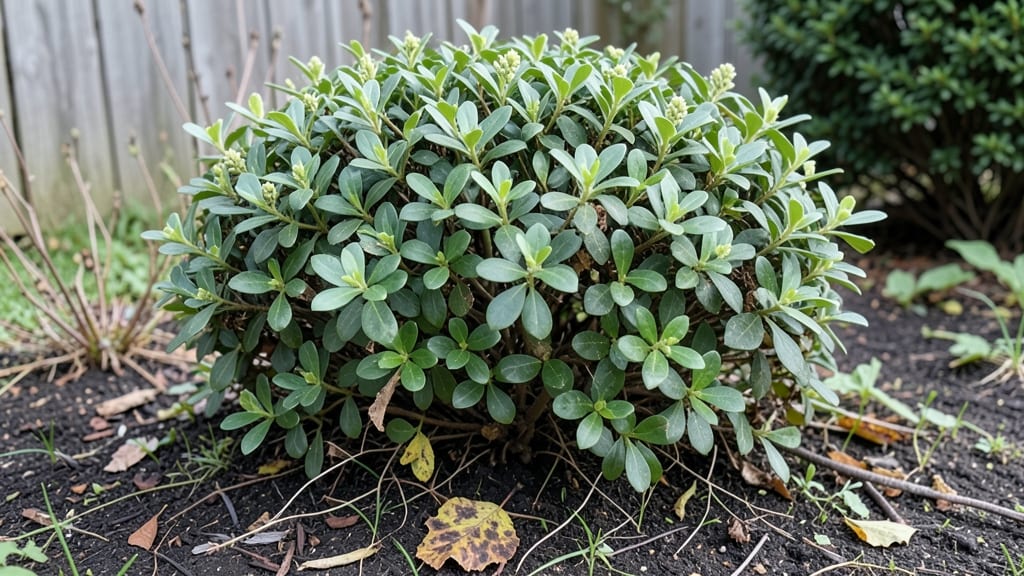
One question every gardener should ask: Can boxwood blight spread to other plants?—and the answer might shock you, especially if you’ve got holly or juniper nearby. 🌿 I learned this the hard way when my carefully pruned boxwoods started turning brown—and before I knew it, my neighboring holly and juniper were showing the same grim symptoms. signs too.
The fungus that causes it spreads through spores carried by wind, rain, and even garden tools, making it one of the most aggressive plant diseases out there.
The worst part? It doesn’t just target boxwoods. Other evergreens like yew, inkberry, and even some broadleaf plants can fall victim if spores land on them. The key to stopping it is acting fast—removing infected leaves immediately, sterilizing tools between cuts, and keeping garden beds clean.
I’ve saved entire sections of my yard by isolating affected plants and treating the soil with copper fungicide.
You’ll notice the damage first as dark, greasy spots on leaves that later turn brown and crispy. If you catch it early, pruning out infected branches and disposing of them in sealed bags can prevent further spread.
For severe cases, fungicides like Propiconazole or Myclobutanil can help, but prevention is always easier than cleanup. The goal is to keep your garden thriving without letting this disease take over.
This isn’t just about boxwoods—it’s about protecting your entire landscape. With the right steps, you can contain the blight and keep your garden healthy. The sooner you act, the better your chances of saving what you’ve worked so hard to grow. Let’s get your garden back on track!
How Fungal Pathogens Jump Start
Boxwood blight, caused by the fungus Calonectria pseudonaviculata (formerly Cylindrocladium pseudonaviculatum), isn’t just a silent threat to your boxwoods—it’s a hitchhiking expert. Understanding how this pathogen spreads to other plants starts with recognizing its sneaky survival strategies.
Here’s why it happens, broken down into the core mechanisms that turn your garden into a fungal highway.
Boxwood blight thrives on airborne spores, which are lightweight and travel effortlessly with wind, rain, or even garden tools. Here’s how they become a problem:
- Spore Production: Infected boxwood leaves, stems, or soil release millions of spores during warm, humid conditions (ideal when temps hover between 60–85°F). These spores can linger in the air for weeks, waiting for a susceptible host.
- Rain as a Delivery System: Heavy rain splashes spores onto nearby plants, especially those with soft, porous surfaces (like new growth or damaged foliage). Think of it as a fungal monsoon—the wetter the conditions, the faster the spread.
- Tool Contamination: Pruners, gloves, or even your shoes can pick up spores from infected plants and deposit them elsewhere. A single contaminated tool can infect an entire garden in a season.
Actionable Tip: 🌡️ Monitor humidity levels—if your garden stays damp for more than 24 hours, spores get a golden opportunity to spread. Use a hygrometer to track conditions and act fast.
Boxwood blight doesn’t just stay above ground—it colonizes soil and can infect plants through their roots. Here’s how:
- Infected Debris: Leaves, stems, or even mulch made from infected plants break down in the soil, releasing spores and fungal strands (hyphae) that persist for years. This is why removing infected plants isn’t enough—you must sterilize the soil too.
- Root Contact: Plants sharing the same root zone (like boxwoods planted too close to camellias, viburnums, or other evergreens) can contract the fungus through soil-borne spores. The pathogen doesn’t discriminate—it targets weakened or stressed plants first.
- Water Movement: Irrigation systems or poor drainage can spread spores through water. If your drip lines or hoses splash water onto multiple plants, you’re essentially watering the fungus to new hosts.
Actionable Tip: ⏰ Solarize your soil in late summer: Cover infected areas with clear plastic for 4–6 weeks to bake out spores. Pair this with copper fungicide treatments to starve the fungus underground.
You might not think of bugs as fungal allies, but some inadvertently transport spores on their bodies or in their digestive tracts. Here’s how:
- Beetles and Weevils: These pests feed on infected foliage, then crawl to healthy plants, leaving behind spores on their legs or exoskeletons. Japanese beetles and boxwood leafminers are notorious for this.
- Birds and Mammals: Animals that peck at infected berries or seeds (like robins or squirrels) can spread spores in their droppings. Even deer can inadvertently transfer spores on their hooves.
- Compost Piles: If you compost infected plant material, the heat may kill the fungus, but spores can survive in cooler, shaded piles. Using this compost on other plants is like inviting the fungus to a housewarming party.
Actionable Tip: 🎯 Install fine mesh barriers around garden beds to block beetles and use bird-friendly but fungus-safe deterrents like netting over vulnerable plants. Avoid composting boxwood debris—bag and dispose of it in sealed trash.
Understanding these pathways is your first line of defense. The next step? Learning how to contain the spread before it turns your garden into a fungal buffet. 🍽️
Stopping Blight Before It Spreads
Boxwood blight is a sneaky disease that can turn your lush garden into a sad, brown eyesore if left unchecked. But don’t panic—with the right steps, you can contain it and protect your other plants. The key is acting fast and following a mix of removal, cleaning, and prevention.
Below, we break down the solutions based on the most common causes of spread, so you can tackle the problem head-on.
If you’ve spotted boxwood blight on your plants, the first rule is don’t delay. The faster you remove infected foliage or entire plants, the less chance the disease has to jump to neighbors.
- 🔪 Prune infected branches—Use sterilized pruners (clean with rubbing alcohol or bleach solution) to cut off and remove any leaves, stems, or branches showing dark spots, leaf drop, or dieback. Do not compost these clippings—they can still harbor spores.
- 🌳 Dig up and destroy severely infected plants—If more than 30% of the plant is affected, it’s often best to remove the whole thing. Bag it in a sealed plastic bag and throw it in the trash not the compost or yard waste bin.
- 🚫 Avoid shaking or handling plants—Spreading spores accidentally can worsen the outbreak. Wear gloves and work carefully.
Boxwood blight spores can linger on tools, soil, and even your hands. A deep clean is non-negotiable to prevent reinfection.
- 🧴 Sterilize pruners and shears—Wipe tools with 70% isopropyl alcohol or soak them in a 1:10 bleach-water solution (1 part bleach to 10 parts water) for 10 minutes. Rinse and dry before use.
- 🧹 Disinfect work surfaces—Clean tables, boots, and garden tools with the same bleach solution or a commercial disinfectant.
- 👟 Change clothes and wash hands—Spore contamination can happen on fabric, so change into clean clothes after working in the infected area. A quick hand wash with soap removes lingering spores.
Boxwood blight thrives in wet, humid conditions. Improving airflow and reducing moisture around your plants can make them less vulnerable.
- 💧 Water at the base, not overhead—Use drip irrigation or soaker hoses to keep leaves dry. Water in the early morning so foliage has time to dry before evening humidity sets in.
- 🌬️ Prune for better airflow—Thin out dense growth to allow air to circulate. This reduces humidity and slows spore development.
- 🌿 Avoid mulching too close to stems—Keep mulch 2–3 inches away from plant bases to prevent moisture buildup.
If the blight is already spreading, a copper-based or systemic fungicide can help. But prevention is always better than treatment!
- 🍄 Use fungicides early—Apply a preventative fungicide (like copper fungicide or chlorothalonil) before symptoms appear if your area is prone to blight. Follow label instructions carefully.
- 🔄 Reapply after rain—Fungicides wash off, so treat plants again after heavy rain or overhead watering.
- ⚠️ Follow safety guidelines—Wear gloves and avoid spraying on windy days to protect nearby plants and yourself.
Once you’ve contained the blight, take steps to keep it from returning and spreading to other shrubs, especially Buxus (boxwood) varieties, but also holly, camellia, and pieris, which are susceptible.
- 📝 Isolate new plants—Quarantine any new boxwoods or susceptible plants for 2–4 weeks before introducing them to your garden.
- 🚫 Avoid planting boxwoods too closely—Space them at least 3–4 feet apart to improve airflow and reduce disease risk.
- 💡 Monitor regularly—Check your plants weekly for early signs of blight, especially after rain or high humidity.
- 🌟 Consider resistant varieties—Some boxwood cultivars, like ‘Green Velvet’ or ‘Winter Gem’, are less susceptible to blight. Ask your local nursery for recommendations.
With these steps, you can stop boxwood blight in its tracks and keep your garden thriving. The sooner you act, the better your chances of saving your plants—and preventing a full-blown outbreak. Stay vigilant, and your green space will stay healthy! 🌿💪
Frequently asked questions
Which other plants are most at risk of catching boxwood blight?
Beyond boxwoods, holly, camellias, pieris, and inkberry are highly susceptible. Even yew, viburnum, and some broadleaf evergreens can contract the disease if spores land on them. The fungus targets plants with thin, soft leaves that retain moisture. Always check nearby shrubs if you spot blight symptoms.
How quickly can boxwood blight spread to other plants in my garden?
Under ideal conditions (60-85°F and high humidity), spores can spread to nearby plants in as little as 2-3 weeks. Wind, rain, and contaminated tools accelerate the process. That’s why early removal of infected foliage and sterilizing equipment is critical. Don’t wait for symptoms to appear on multiple plants.
Can boxwood blight survive in my soil over winter?
Yes, fungal spores and hyphae (root-like strands) can persist in soil for years, especially in shaded or moist areas. Solarizing infected soil (covering with clear plastic for 4-6 weeks) or applying copper fungicide can help eliminate them before planting new susceptible species. Cold winters slow but don’t stop the fungus.
What’s the safest way to dispose of infected boxwood leaves?
Never compost them—bag infected leaves and stems in a sealed plastic bag and throw them in the trash (not yard waste). Burning is another option if local regulations allow it. Avoid tossing them on compost piles, where spores can survive and reinfect your garden. Double-check your local waste guidelines first.
Will fungicides I use on boxwoods protect other plants too?
Most copper-based or systemic fungicides (like Propiconazole) provide broad-spectrum protection, but coverage depends on application. Spray nearby susceptible plants if you’re treating boxwoods, especially during rainy seasons or high-humidity periods. Always follow label instructions for safety. Preventative treatments work best.