Companion Plants
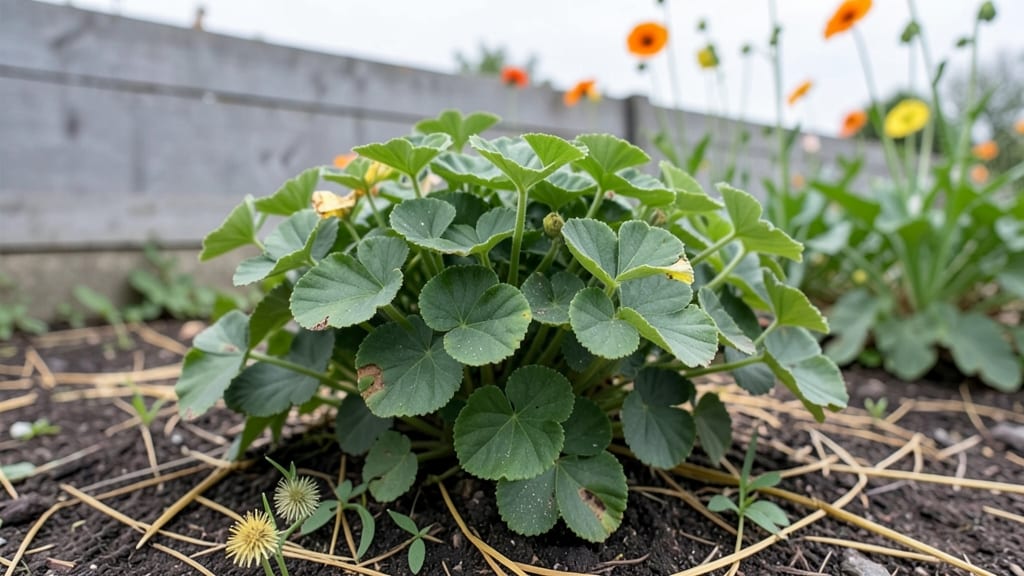
Geranium-like plants bring vibrant color and pollinator-friendly blooms to gardens with almost no fuss. 🌿 I’ve grown everything from classic pelargoniums to hardy cranesbills, and these drought-tolerant stars thrive where other flowers fail—even in hot, dry spots.
The key difference? True geraniums (Geranium spp.) are hardy perennials, while pelargoniums (often called "geraniums") are tender annuals or houseplants with that signature zonal leaf pattern.
The right spot makes all the difference: most geranium-like plants adore full sun to partial shade and well-draining soil—even sandy or rocky ground won’t phase them. Watering is simple: let the top inch dry out between drinks, and you’ll avoid the root rot that plagues fussy flowers.
My pelargoniums in containers stay lush with just weekly watering in summer, while cranesbills in the ground barely need attention after the first year.
You’ll end up with months of blooms—pelargoniums from spring to frost, cranesbills from late spring through fall—and bees, butterflies, and hummingbirds will flock to the nectar. The foliage alone adds texture: velvety leaves on pelargoniums, delicate fern-like fronds on cranesbills.
Dividing or pinching back spent blooms keeps them flowering longer, and propagation from cuttings is easier than you’d think.
Works for borders, containers, or even indoor windowsills—just adjust light and water. Here’s how to tell them apart and grow them like a pro, whether you’re filling a sunny patch or brightening up a patio.
📚 In This Guide
- What you need
- Instructions
- Tips and common mistakes
- Wrapping up and next steps
What you need
- ● Seeds or plants: Choose between Pelargonium (potted varieties for containers) or Geranium seeds (native species like Geranium maculatum or Geranium sanguineum). Pro tip: 💡 Start seeds indoors 6–8 weeks before the last frost if planting from seed.
- ● Well-draining soil: A mix of potting soil (for containers) or native soil amended with compost (for gardens). Aim for a pH of 6.0–7.0.
- ○ Containers (optional but handy): 5–7 inch pots for Pelargonium (1–2 plants per pot).
- ● Garden beds or raised planters for native Geranium species (space 12–18 inches apart).
- ● Mulch: 2–3 inches of organic mulch (e.g., shredded bark or straw) to retain moisture and suppress weeds.
- ● Garden trowel or hand shovel (for planting).
- ● Pruning shears (for shaping and deadheading).
- ● Watering can or hose with a gentle spray nozzle (avoid overhead watering to prevent fungal issues).
- ○ Gloves (optional but recommended for handling thorny Geranium species).
- ● Sunlight: Full sun (6+ hours/day) for Pelargonium; partial sun (4–6 hours/day) for native Geranium species.
- ● Watering routine: Water deeply but infrequently—once a week for established plants (adjust for extreme heat/drought).
- ○ Fertilizer (optional): Balanced 10-10-10 fertilizer (for Pelargonium, apply every 4–6 weeks during growing season).
- ● Slow-release organic fertilizer (for native Geranium, apply once in early spring).
Step-by-Step guide to cultivating Geranium-like plants for pollinator gardens
Here's how to establish a thriving pollinator haven with hardy, drought-resistant perennials that mimic geraniums' charm.
🌱 Step 1: Select and Prepare Planting Sites
Choose well-draining locations with full sun exposure (6+ hours daily). Geranium-like plants—such as Geranium macrorrhizum (crawling geranium) or Heuchera (coral bells)—thrive in rocky or sandy soils but despise soggy roots. Amend heavy clay by mixing in 2-3 inches of coarse sand or gritty compost per planting hole.
Test soil pH—most prefer 6.0-7.0. If your soil tests acidic, add crushed limestone to raise the pH gradually. Mark planting spots with stakes to avoid disturbing roots later. I like to sketch a simple layout first, spacing plants 12-18 inches apart for mature spread.
🌿 Step 2: Plant Bare-Root or Container-Grown Specimens
For bare-root plants, soak roots in lukewarm water for 30 minutes before handling. Dig holes twice as wide as the root ball but only as deep—planting too deep suffocates stems. Gently loosen circling roots with your fingers to encourage outward growth.
Place the plant in the hole, backfilling with native soil mixed with 1 cup of bone meal fertilizer per plant. Water deeply until soil settles, then add a 2-inch mulch layer of pine needles or shredded bark to retain moisture and deter weeds. Avoid mulching right against stems to prevent rot.
☀️ Step 3: Establish Watering Routine for Drought Tolerance
Water newly planted geranium-like species every 2-3 days for 2 weeks until roots establish. You'll know they're settled when leaves stay firm and upright—no wilting even on hot afternoons. After establishment, reduce to once weekly during dry spells, focusing water at the base rather than overhead.
Mature plants store water in fleshy roots, making them resilient. If leaves yellow between waterings, that's normal—it signals the plant is accessing stored moisture. Only intervene if stems feel hollow when squeezed or leaves crisp at the edges.
✂️ Step 4: Prune for Bushiness and Pollinator Appeal
Cut back leggy stems by one-third in early spring to encourage dense, flower-filled growth. Deadhead spent blooms regularly—this redirects energy to new flowers and extends the season. I use clean, sharp pruners and make cuts just above a set of leaves or bud.
Divide clumps every 3-4 years in early spring. Lift entire plants, separate crowns with a knife, and replant sections. This rejuvenates plants and provides free propagation material. Wear gloves—some geranium-like foliage can irritate skin.
🪴 Step 5: Protect and Maintain Through Seasons
Apply a 2-inch layer of mulch annually in late fall to insulate roots during winter. Most geranium-like perennials tolerate down to 0°F but appreciate the extra protection. In zones with harsh winters, mound soil or straw around crowns for added insulation.
Fertilize lightly in spring with ½ cup of 10-10-10 granular fertilizer per plant. Over-fertilizing produces lush foliage but fewer flowers—pollinators need those blooms! Monitor for pests like aphids; a strong spray of water usually dislodges them without chemicals.
Tips & tricks for cultivating thriving Geranium-like plants
These hard-won insights will help you transform your garden into a pollinator paradise with minimal fuss.
Soil Preparation Secret: In Step 1, when amending heavy clay with 2-3 inches of coarse sand, I recommend mixing in a handful of perlite for extra drainage. This prevents that dreaded soggy root syndrome while maintaining moisture retention. Test your amended soil by squeezing a handful—it should crumble easily without sticking to your palm.
Root Handling Technique: The 30-minute root soak in Step 2 is non-negotiable for bare-root plants. I use a bucket of lukewarm water with a splash of seaweed extract to jumpstart root growth. After soaking, gently swirl the roots in a bucket of water to remove any soil clumps—this prevents suffocation during planting.
Watering Wisdom: During the critical 2-3 day watering window in Step 3, I check soil moisture by inserting my finger 2 inches deep. If it feels dry, water thoroughly; if damp, wait another day. Overwatering at this stage is the fastest way to invite root rot in these drought-loving plants.
Winter Protection Strategy: For the 0°F tolerance mentioned in Step 5, I add an extra layer of protection by covering plants with frost cloth when temperatures drop below 15°F. This simple step prevents winter dieback and ensures vibrant spring regrowth. Remove the cloth during daytime hours to prevent moisture buildup.
Pro Tips for Geranium Like Plants
- These hard-won insights will help you transform your garden into a pollinator paradise with minimal fuss.
- Soil Preparation Secret: In Step 1, when amending heavy clay with 2-3 inches of coarse sand, I recommend mixing in a handful of perlite for extra drainage.
- Root Handling Technique: The 30-minute root soak in Step 2 is non-negotiable for bare-root plants.
Frequently asked questions
Got questions about geranium-like plants? You’re not alone!
Here are some of the most common queries—and their straightforward answers—to help you grow a thriving, pollinator-friendly garden with ease.
What are the best drought-tolerant geranium-like plants for beginners?
Start with Pelargonium (true geraniums) or Geranium species like G. macrorrhizum (Cranesbill). These hardy plants thrive in dry conditions once established and require minimal fuss. For extra resilience, try Erodium (storksbill) or Heuchera (coral bells)—both love well-draining soil and occasional neglect!
How long does it take for geranium-like plants to bloom after planting?
Most geranium-like plants bloom within 6–8 weeks of planting, given proper sunlight (6+ hours daily) and moderate watering. Pelargoniums may take slightly longer (8–12 weeks) if started from seed. Pro tip: Deadhead spent blooms to encourage continuous flowering!
Why are my geranium-like plants’ leaves turning yellow or dropping?
Yellowing leaves often signal overwatering or poor drainage. Ensure pots/containers have drainage holes and let soil dry between waterings. Pests like spider mites (tiny webs on undersides) or aphids can also cause stress. Treat with neem oil or insecticidal soap if needed.
Can I grow geranium-like plants in containers, or do they need garden beds?
Many geranium-like plants thrive in containers, including Pelargoniums and Geranium species. Use well-draining potting mix and a pot with drainage. For trailing varieties (like Iberis or Alyssum), hangers or window boxes work beautifully. Just ensure they get enough sunlight!
What’s a great alternative if I want a geranium-like look but need something even more drought-resistant?
Try Sedum (stonecrop) or Delosperma (ice plant) for zero-maintenance beauty. Both handle extreme drought, attract pollinators, and come in vibrant colors. Lavender is another stellar pick—fragrant, low-water, and perfect for borders!
Are geranium-like plants frost-tender? How do I protect them in winter?
Most Pelargoniums are tender perennials and die back in frost. Dig up tubers/roots in fall, store in dry peat moss, and replant in spring. Hardy geraniums (like G. macrorrhizum) survive mild winters but may need mulch. In freezing zones, grow them as annuals or use frost cloth for extra protection.
Wrapping up and next steps
From pelargoniums to cranesbills, geranium-like plants bring vibrant color, resilience, and pollinator power to your garden—even in dry conditions! 🌿 These low-maintenance beauties are perfect for adding texture, fragrance, and life to your outdoor space while supporting bees, butterflies, and hummingbirds.
Whether you're a seasoned gardener or just starting out, their adaptability makes them a fantastic choice for any pollinator-friendly landscape.
Ready to transform your garden? Pick one (or a few!) of these drought-tolerant stars and watch your space thrive with minimal effort. Start small, experiment, and enjoy the blooms—and the buzzing visitors! 🐝✨