
Companion Plants
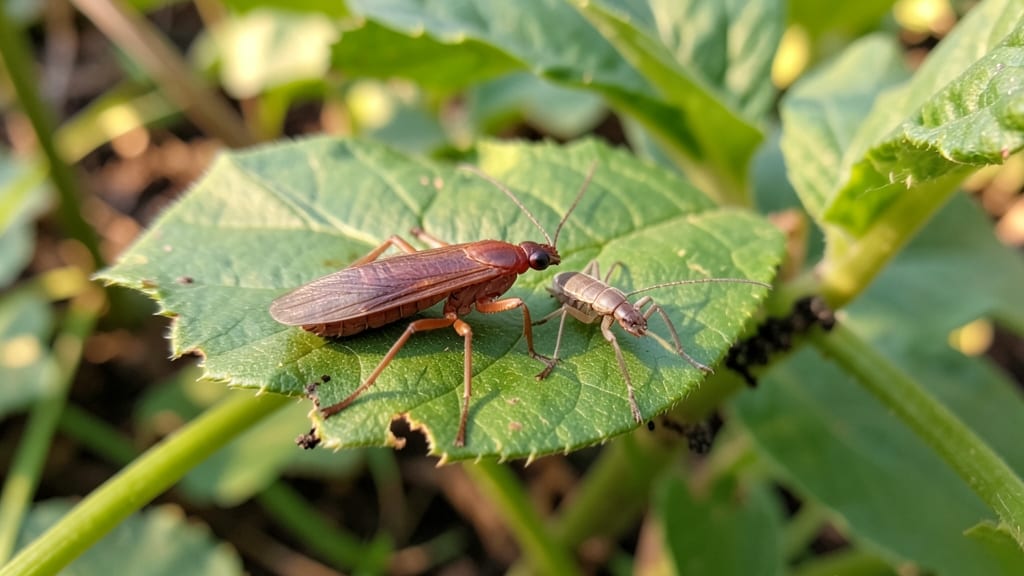
Earwigs on plants can turn your garden into a crunchy buffet overnight—those pincered critters leave behind ragged leaves and chewed-up petals like tiny, armored caterpillars. 🌿 I’ve battled them in my own garden, and the key isn’t brute force but outsmarting them with natural barriers and plant allies that earwigs hate.
The secret blend I’ve perfected uses common household items and garden staples to keep them away without harsh chemicals.
Most gardeners assume earwigs are just a nuisance until they notice the damage: notched leaves, holes in flowers, or even chewed stems. Here’s the thing—earwigs thrive in damp, dark spots, so the first step is removing their favorite hiding places.
Once you disrupt their cozy conditions, they’ll seek out your homemade repellent blend, which combines ingredients that mask the scents they use to find food. It’s a game-changer for organic gardens, and it works fast.
By the end of this, your plants will look fresh and unscathed, and you’ll have a foolproof method to keep earwigs at bay all season. The blend is easy to mix, non-toxic, and safe for kids and pets—just spray it around the base of plants and in problem areas.
You’ll see fewer earwigs within a week, and your garden will stay lush and thriving. Let’s get started with the ingredients you already have.
This solution works for vegetables, flowers, and even houseplants—no matter what you’re growing, earwigs won’t stand a chance. The best part? You won’t need to reapply often once you’ve set up the right conditions. Ready to reclaim your garden the natural way?
The Hidden Triggers Behind Earwigs
Earwigs may seem like tiny, harmless critters, but when they invade your plants, they can cause real damage—especially to young leaves, flowers, and tender stems. Understanding why these pests are drawn to your garden is the first step in outsmarting them.
Below, we break down the science-backed reasons earwigs show up in your plants and what attracts them in the first place.
Earwigs thrive in damp, humid environments, making them common in gardens with:
- Overwatered soil – They seek out areas where moisture lingers, especially near mulch or dense foliage that traps humidity.
- Poor drainage – Containers or garden beds that don’t dry quickly after rain create ideal earwig hideouts.
- Dew-heavy mornings – Earwigs are nocturnal and emerge at night when dew forms, making early-morning plant inspections a good way to spot them.
💡 Pro Tip: If your garden stays soggy, earwigs will too. Improve drainage with sand or gravel, and water plants at the base (not overhead) to reduce excess moisture.
Earwigs are scavengers—they’re drawn to:
- Dead leaves and debris – They feed on rotting organic material, which releases nutrients and moisture they crave.
- Damaged or wilting plants – Stressed vegetation emits scents that signal an easy meal.
- Compost piles – While compost is great for soil, it can also attract earwigs if not managed properly.
Why it matters: Earwigs don’t just eat plants—they also hide in decaying matter during the day, only to emerge at night to feed. Keeping your garden tidy disrupts their life cycle.
Earwigs are most active under the cover of darkness, which explains why you rarely see them during the day. Their behavior is driven by:
- Low light conditions – They avoid predators (like birds and spiders) by feeding after sunset.
- Higher humidity at night – Cool evenings often mean more moisture in the air, which earwigs prefer.
- Soft, tender plant parts – Young leaves, buds, and flowers are easier to chew when the plant isn’t actively photosynthesizing.
🔥 Actionable Insight: If you notice chewed leaves but no earwigs, check the undersides of leaves or mulch at dusk with a flashlight—they’ll be hiding there!
Some plants naturally attract earwigs because of their scent or structure. Common culprits include:
- Herbs like dill and parsley – Their strong aromas can lure earwigs in search of food.
- Low-growing plants (e.g., lettuce, basil, strawberries) – Earwigs prefer plants they can easily crawl into.
- Fungal-infected plants – Earwigs are drawn to fungi, which often grow on decaying or stressed vegetation.
Key Takeaway: If you’re growing companion plants to repel pests, some (like marigolds or garlic) actually repel earwigs—while others might attract them. Strategic planting can work for or against you!
Now that you know what’s bringing earwigs to your garden, the next step is turning the tide with natural, organic solutions. Stay tuned!
How to Remove and Prevent Earwigs
Earwigs may seem like tiny terrors, but with the right strategies, you can reclaim your garden without harsh chemicals. Below are targeted solutions based on the root causes—whether they’re seeking shelter, moisture, or food—and how to eliminate them for good.
Plus, we’ll share prevention tips to keep them away long-term.
Earwigs love damp, dark spaces—think mulch piles, leaf litter, or under pots. Dry them out to make your garden less inviting.
- 🍳 Reduce Standing Water
- Water plants early in the day so soil dries before evening.
- Fix leaky hoses or irrigation systems that create soggy spots.
- Avoid overwatering—earwigs thrive in consistently damp conditions.
- 👨🍳 Drain and Aerate Soil
- Loosen compacted soil with a garden fork to improve drainage.
- Replace thick mulch layers (over 2–3 inches) with straw or coarse wood chips, which dry faster.
- 🥘 Remove Debris Daily
- Clear fallen leaves, weeds, and plant debris from beds and borders.
- Store firewood and compost bins away from plants and keep them dry.
If you’ve already spotted them, act fast with these humane traps.
- 💡 DIY Beer Traps (Best for Heavy Infestations)
- Bury a shallow container (like a tin can) filled with beer or yeasty liquid so the rim is flush with the soil.
- Earwigs are drawn to fermenting scents and will crawl in—drown overnight, then dispose of them far from your garden.
- 🌡️ Roll-Up Newspaper Traps
- Place rolled newspaper in a bucket of soapy water overnight.
- Earwigs hide in the paper—check in the morning and release them far from your garden (they won’t return).
- ✨ Handpick at Night
- Use a flashlight after dark when earwigs are most active.
- Drop them into soapy water or a sealed jar to relocate them.
Earwigs munch on tender leaves, flowers, and decaying plant matter. Starve them out with these tricks.
- 📊 Protect Young Plants
- Cover seedlings with floating row covers or lightweight fabric tents.
- Avoid planting delicate greens (like lettuce or basil) near moist areas.
- 💪 Strengthen Plant Resilience
- Choose earwig-resistant plants like marigolds, thyme, or mint (their strong scents repel pests).
- Prune overly lush foliage—earwigs prefer soft, moist leaves.
- 🥗 Remove Damaged Leaves
- Pick off chewed or wilting leaves daily to deny earwigs a buffet.
- Dispose of them in a sealed trash bin (not compost).
Once you’ve kicked them out, keep them out with these low-effort habits:
- 🔥 Install Physical Barriers
- Use copper tape around garden beds—earwigs dislike the metal’s electrical charge.
- Place diatomaceous earth (food-grade) around plant bases (reapply after rain).
- 🌡️ Adjust Watering Habits
- Water at the base of plants (not overhead) to keep foliage dry.
- Use drip irrigation instead of sprinklers to reduce humidity.
- ✨ Introduce Natural Predators
- Encourage birds, toads, and ground beetles—they love eating earwigs.
- Plant dill, fennel, or lavender to attract beneficial insects.
- 🎯 Rotate Plantings
- Avoid planting the same crops in the same spot yearly—earwigs return to familiar food sources.
Pro Tip: 💡 Check under pots, eaves, and wooden structures—earwigs love hiding in cracks! Seal gaps with caulk or metal flashing to block entry.
Frequently asked questions about earwigs on plants
Are earwigs harmful to my garden plants?
Earwigs can cause noticeable damage by chewing irregular holes in leaves, flowers, and stems—especially on young or tender plants. While they won’t kill mature plants, heavy infestations can stunt growth and make foliage look ragged. The good news? They’re not as destructive as some pests like aphids or caterpillars.
Why do I see earwigs at night but not during the day?
Earwigs are nocturnal creatures that avoid predators like birds and spiders by staying hidden in damp, dark spots (under mulch, rocks, or leaf litter) during daylight. They only emerge after sunset to feed when humidity is highest and their natural enemies are less active. Use a flashlight at dusk to spot them!
Will beer traps actually work to get rid of earwigs?
Yes! Earwigs are strongly attracted to fermenting scents like beer or yeast. Bury a shallow container filled with beer at soil level overnight—they’ll crawl in and drown. For best results, place traps near problem areas and empty them daily. This method is humane and chemical-free.
Can I use diatomaceous earth on my plants to stop earwigs?
but use food-grade diatomaceous earth only! Sprinkle a thin layer around plant bases and mulch edges (avoid direct contact with leaves). It dehydrates earwigs by damaging their exoskeletons. Reapply after rain or watering, and always wear a mask when applying to protect your lungs.
Are there plants that naturally repel earwigs?
Yes! Strong-scented plants like marigolds, thyme, lavender, mint, and garlic deter earwigs with their aromatic oils. Interplant these near vulnerable crops, or grow them in containers around garden edges. Bonus: These plants also attract beneficial predators that eat earwigs!