
Advice
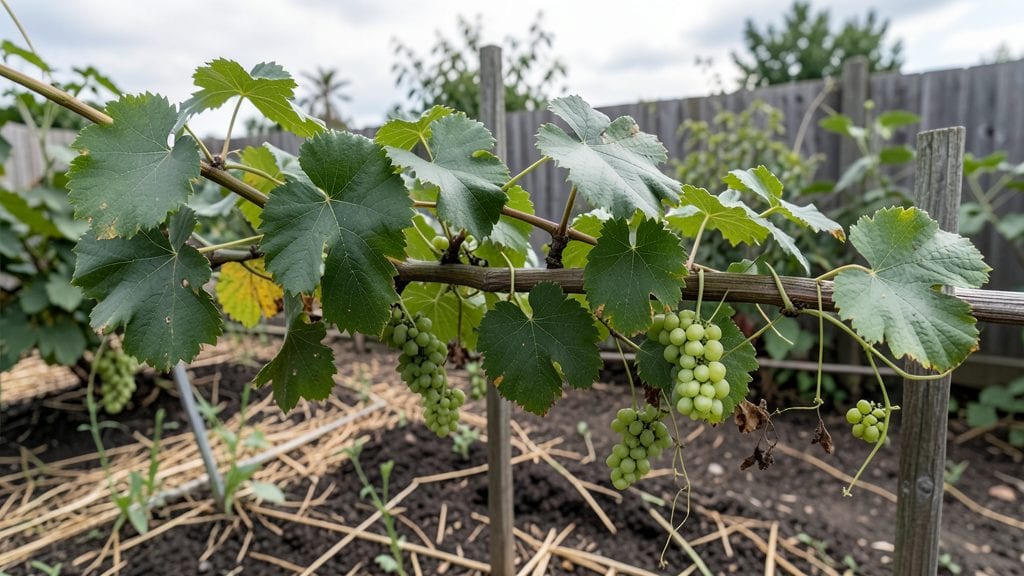
Grape planting zones depend on USDA hardiness ratings, with most varieties thriving in zones 5-9. Cold-hardy types like Concord or Niagara suit zones 3-5, while delicate wine grapes like Cabernet Sauvignon prefer zones 7-10 for optimal growth and fruit quality.
Choosing the right grape planting zones isn't just about cold tolerance—it's about matching varieties to your region's specific climate demands. 🌱 For example, northern growers in zones 3-5 should focus on hardy hybrids like Marquette or Frontenac, which handle harsh winters and short growing seasons.
Meanwhile, southern zones (8-10) can support heat-loving grapes like Tempranillo or Zinfandel, provided they get proper winter dormancy. Even within zones 5-9, microclimates play a huge role—hilltops stay cooler than valleys, and coastal areas benefit from moderating ocean breezes.
What's interesting is how chill hours factor in: most wine grapes need 500-1,000 hours below 45°F annually to set fruit properly. This explains why Cabernet Sauvignon struggles in zone 5—it simply doesn't get enough winter chill.
I've seen gardeners in transitional zones (like zone 6) have success with early-ripening hybrids that bridge the gap between cold resistance and heat tolerance.
💡 In This Article
- USDA Hardiness Zones for Grape Cultivation
- Top Grape Varieties by Climate Region
USDA hardiness zones for grape cultivation
Here's what's actually happening with grape survival across USDA zones: grapevines enter dormancy when temperatures drop below 40°F, but their ability to withstand winter cold varies dramatically by variety.
The key factor is how well a vine's buds can survive freezing temperatures while maintaining the physiological processes needed to restart growth in spring.
For example, a vine in zone 4 might endure -20°F without bud damage, while a wine grape in zone 8 could suffer irreversible harm at just 20°F. This explains why Concord grapes thrive in Minnesota (zone 4) but would fail in Florida (zone 9).
The science behind this involves something called "bud hardiness," which measures how cold a vine's buds can tolerate before ice crystals form inside the cells. Most table grapes have buds that harden to -15°F to -20°F, while wine grapes typically max out at -10°F to -15°F.
What most people don't realize is that even within a single variety, bud hardiness fluctuates based on winter chill hours—grapes need 500-1,000 hours below 45°F annually to properly break dormancy. Without enough chill, vines may bloom erratically or produce poor-quality fruit.
This is why Cabernet Sauvignon struggles in Pacific Northwest vineyards despite their mild winters.
Seasonal growth patterns also shift dramatically across zones. In colder regions (zones 3-5), vines grow slowly through a 90-120 day season, while southern varieties (zones 8-10) may have 180-240 days of active growth. The trade-off?
Southern grapes often ripen too early in northern climates, while northern varieties may not fully mature in warmer zones. Frost sensitivity becomes critical during spring bloom—even a 28°F night can devastate flowers, reducing yields by up to 80%.
This is why many commercial vineyards in transitional zones (like Virginia's zone 7) use frost protection methods like wind machines or sprinkler systems.
Heat tolerance presents another challenge, particularly in zones 9-10. While grapes like Tempranillo can handle summer temperatures up to 105°F, prolonged heat above 95°F stresses vines by accelerating water loss and reducing sugar accumulation in berries. In these zones, shade cloth (30-50% coverage) and drip irrigation become essential.
The irony? Some heat-loving varieties actually need winter dormancy periods—if temperatures stay above 50°F for too long, vines may fail to properly rest, leading to weak growth and disease susceptibility. This explains why many southern vineyards plant grapes in elevated locations to improve air circulation and reduce heat stress.
Microclimates add another layer of complexity. A vineyard at 2,000 feet elevation in zone 7 might experience 10°F cooler nighttime temperatures than one at sea level, creating conditions more suitable for wine grapes.
Similarly, coastal areas benefit from ocean breezes that moderate temperatures, while inland zones may experience more extreme temperature swings. This is why some growers in zone 6 can successfully cultivate Cabernet Sauvignon near bodies of water, while others struggle just a few miles inland.
Understanding these local variations is crucial for selecting the right varieties and training systems (like trellises) that optimize air flow and sunlight exposure.
One advanced consideration is how grapevine rootstocks influence hardiness. While the scion (the grape variety you want to grow) determines fruit quality, the rootstock can extend a vine's cold tolerance by 5-10°F.
For example, planting a Cabernet Sauvignon scion on a Riparia Gloire rootstock (common in cooler climates) can push its hardiness from zone 7 to zone 6. This rootstock choice becomes particularly valuable in transitional zones where growers want to push the limits of traditional varieties. The trade-off?
Some rootstocks may reduce vigor or affect flavor slightly, so it's a balancing act between hardiness and quality.
What this all means for you: if you're in zone 4, focus on cold-hardy hybrids like Marquette or Frontenac that deliver both winter survival and reliable fruit production. In zone 8, consider heat-tolerant varieties with good disease resistance, like Muscadine or Spanish Tempranillo.
And in zones 5-7, you've got the most flexibility—this is where you can experiment with both traditional wine grapes and hardier hybrids.
The key is matching your zone's average last frost date (May 10 in zone 5 vs. March 1 in zone 8) to varieties with compatible growing seasons. 🌟