
Companion Plants
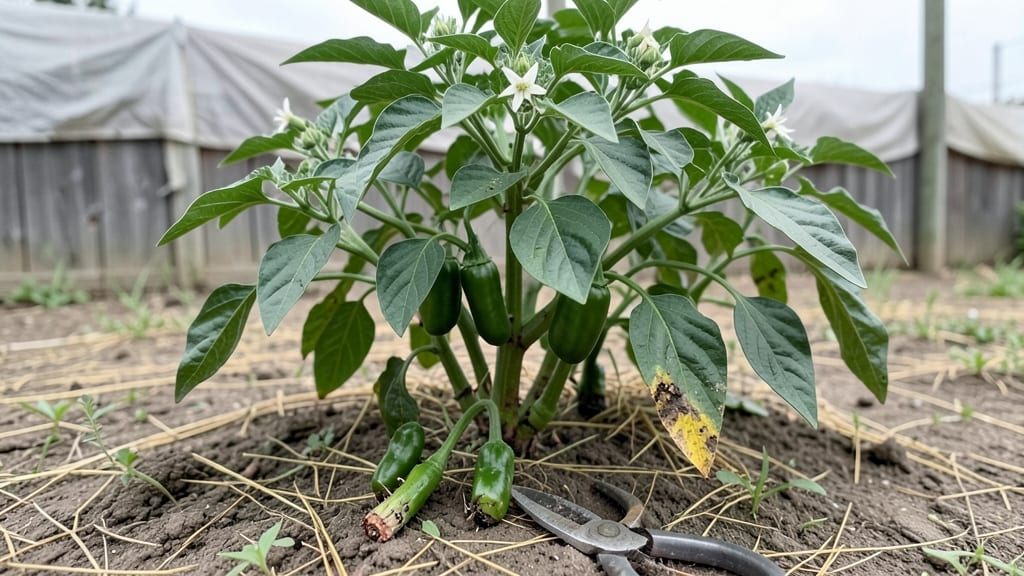
Pinching pepper plants isn’t just about trimming—it’s the secret to turning leggy seedlings into sturdy, fruit-loaded bushes that keep producing all season.
I learned this the hard way after my first batch of peppers stretched tall and weak, yielding just a handful of peppers instead of the bushel I’d hoped for.
The right pinches at the right time can double your harvest, and once you see those compact plants heavy with peppers, you’ll wonder why you didn’t start sooner.
You’ll need just three things: sharp scissors or fingernails, a sunny windowsill or greenhouse, and patience. The key is timing—pinch when the plant has 4-6 true leaves but hasn’t flowered yet.
Avoid pinching after flowering, or you’ll stunt fruit production. Varieties like jalapeños, bell peppers, and habaneros respond best, but even finicky plants like ghost peppers can benefit if done carefully.
What you’ll end up with is a pepper plant that looks like a bush, not a pole, with thick stems that support more fruit. Instead of one sad pepper at the top, you’ll get clusters along the entire plant, and the peppers themselves will be sweeter and more abundant.
The best part? This method works for both indoor and outdoor plants, so you can keep harvesting well past the usual summer slump.
Here’s the catch: pinching too late or too aggressively can shock the plant. Start with just the top set of leaves, then wait two weeks before pinching again. And if your plant looks stressed after pinching, give it extra water and a little shade for a few days.
Trust me, the payoff—peppers until frost—is worth the effort.
📚 In This Guide
- What you need
- Instructions
- Tips and common mistakes
- Wrapping up and next steps
What you need
- ● Pepper plants: 3–6 healthy seedlings or mature plants (varieties like jalapeño, bell, or habanero work best).
- ● Clean, sharp pruning shears: Bypass pruners (3–4 inch blades) for precise cuts—avoid dull tools to prevent damage.
- ● Rubbing alcohol (70% isopropyl): 1 small bottle (2 oz) to sterilize shears between cuts.
- ● Growing containers or garden bed: Containers: 5–10 gallon pots with drainage holes (1 per plant).
- ● Garden beds: Well-draining soil (pH 6.0–6.8) and 18+ inches of space between plants.
- ● Balanced fertilizer: 10–10–10 or 5–5–5 (organic options like composted manure work too).
- ● Gloves: 1 pair (nitrile or cotton) to protect hands from thorns and sap.
- ● Rooting hormone: Gel or powder to boost regrowth of pinched cuttings.
- ● Plant markers: Small labels to track varieties and pruning dates.
- ● Grow lights or sun lamp: LED or fluorescent (12–16 hours/day) for indoor plants.
- ● Pruning spray: Copper-based (to prevent bacterial infections if shears nick stems).
- ● Journal/notebook: To log pruning dates, plant responses, and harvest notes.
Step-by-Step instructions for pinching pepper plants
Here's how I keep my pepper plants bushy, productive, and thriving all season long.
Identify the Right Time to Pinch
Wait until your pepper plants have 4-6 true leaves and are 6-8 inches tall before pinching. This usually happens 4-6 weeks after transplanting—you'll see the plants have outgrown their initial leggy stage and are developing sturdy stems. Pinching too early stunts growth, while waiting too long reduces yields.
Look for the top two sets of leaves on the main stem. These are your targets. The plant will have a small bud or flower cluster just above them. If flowers are already forming, skip pinching this time—you’ll focus on fruit production instead.
Pinch Above the Leaf Node
Use clean, sharp pruning shears or your fingers to pinch off the top 2-3 inches of the main stem, just above the second set of leaves from the top. This encourages the plant to branch out, creating more stems where flowers and fruit will develop. Avoid tearing the stem—make a clean cut or pinch at a 45-degree angle to prevent water from pooling.
After pinching, you’ll notice two side shoots emerging from the leaf nodes below where you cut. These will become your new main branches. Keep an eye on them—they’ll grow quickly and may need additional pinching later in the season.
Repeat for Side Branches
Once your side branches reach 6-8 inches tall and have 3-4 sets of leaves, pinch them again using the same method. This time, focus on the topmost set of leaves on each branch. The goal is to create a bushier, more compact plant with multiple points for fruit production.
Real talk: Don’t overdo it. If you pinch too aggressively, the plant will focus on foliage instead of fruit. Aim for 2-3 pinching sessions per plant during the growing season, spacing them 2-3 weeks apart. Stop pinching once flowers appear—you’ll want all energy going toward pepper production.
Maintain Airflow and Light
After pinching, move your pepper plants to a spot with full sun (6-8 hours daily) and good airflow. Crowded plants or those in shady spots develop weak stems and are prone to disease. If growing indoors, rotate the pots quarter-turn weekly so all sides get even light.
Water at the base of the plant and avoid wetting the leaves to prevent fungal issues. You’ll know your pinching worked when the plant fills out with multiple sturdy branches instead of one tall, leggy stem. Within 3-4 weeks, you should see a noticeable difference in shape and vigor.
Harvest and Prune for Year-Round Growth
As peppers ripen, harvest them regularly to encourage more production. Once the main harvest season winds down, pinch back any weak or overgrown branches to redirect energy into new growth. In cooler months, reduce watering slightly and move plants to a sunny indoor spot with supplemental grow lights if needed.
Here’s the thing—pepper plants can keep producing for years if you maintain them properly. With consistent pinching and care, you’ll enjoy a steady harvest well beyond the first growing season. Just remember: Less is more when it comes to pruning. Over-pruning stresses the plant, while strategic pinching keeps it healthy and productive.
Tips & tricks for pinching pepper plants
Here's why strategic pinching transforms leggy pepper plants into productive, bushy harvest machines—without the guesswork.
The Timing Factor: Those 4-6 weeks after transplanting are critical for pinching. I've seen gardeners rush it and end up with stunted plants that never recover. Wait until you see the plant's sturdy stems and those 4-6 true leaves—this is when the plant has enough energy to handle the stress of pinching. The 6-8 inch height guideline is your safety net to avoid over-pruning.
Technique Tip: When you pinch above the second set of leaves in Step 2, make that cut clean and precise. I used to tear stems accidentally, which created open wounds that invited pests. The 45-degree angle isn't just for looks—it helps water bead off and prevents rot. After pinching, those side shoots will emerge within 7-10 days if conditions are right. If they don't appear, check your light levels and watering.
Pruning Strategy: The 2-3 pinching sessions during the growing season create that perfect balance between foliage and fruit production. I've learned the hard way that more pinching doesn't equal better results—it just stresses the plant. Focus on quality over quantity. After your final pinch, you should see 3-4 main branches with multiple secondary branches forming. This is when your plant becomes a pepper-producing powerhouse.
Seasonal Maintenance: That 3-4 week window after pinching is when you'll see the most dramatic changes. If your plants aren't responding within this timeframe, they might need more sunlight or better airflow. In cooler months, the supplemental grow lights become your best friend—just 4-6 hours of additional light can make all the difference in keeping your plants productive through winter.
Pro Tips for Pinch Pepper Plants
- Here's why strategic pinching transforms leggy pepper plants into productive, bushy harvest machines—without the guesswork.
- The Timing Factor: Those 4-6 weeks after transplanting are critical for pinching.
- Technique Tip: When you pinch above the second set of leaves in Step 2, make that cut clean and precise.
Frequently asked questions
Got questions about pinching pepper plants? You’re not alone! Here are answers to the most common concerns—so you can grow healthier plants and bigger harvests with confidence.
When is the best time to pinch pepper plants?
Pinch pepper plants when they’re 6–8 inches tall and have at least 4–5 sets of true leaves. This usually happens 4–6 weeks after transplanting (or 6–8 weeks from seed). Avoid pinching too early—you want the plant to establish roots first!
How many times can I pinch pepper plants?
Most peppers benefit from 1–2 pinches per growing season. Over-pinching can stress the plant and reduce fruit production. Focus on removing the top set of leaves (just above a leaf node) to encourage bushier growth. Pro tip: Stop pinching once flowers appear!
What if my pepper plant doesn’t grow after pinching?
If your plant stalls, check these fixes:
- Light: Peppers need 6–8 hours of sunlight daily. Move to a sunnier spot if needed.
- Water: Keep soil consistently moist (not soggy). Wilting can slow regrowth.
- Nutrients: Feed with a balanced fertilizer (10-10-10) every 4–6 weeks.
Can I pinch pepper plants in containers or small gardens?
Pinching works great for container-grown peppers, but choose dwarf varieties (like ‘Jalapeño M’ or ‘Poblano’) to save space. Just ensure your pot is at least 12–18 inches wide to avoid root crowding. Bonus: Prune aggressively in containers to control height!
What’s an alternative if I don’t want to pinch my peppers?
No pinching? No problem! Try these tricks:
- Topping: Cut the main stem just above a leaf node to encourage branching.
- Succession planting: Start new plants every 2–3 weeks for continuous harvests.
- Support structures: Use cages or stakes to let peppers grow vertically.
Wrapping up and next steps
Pinching pepper plants isn’t just a gardening trick—it’s your secret weapon for a bountiful, year-round harvest! By mastering the three pruning secrets (early pinching, lateral branch trimming, and sucker removal), you’ll boost plant health, improve fruit yield, and keep your peppers thriving all season long. 🌱✨
Ready to put these tips into action? Start with just one plant this week—observe, pinch, and watch your garden transform. Soon, you’ll be sharing homegrown peppers with friends (or turning them into salsa!). Happy gardening!