
Planting
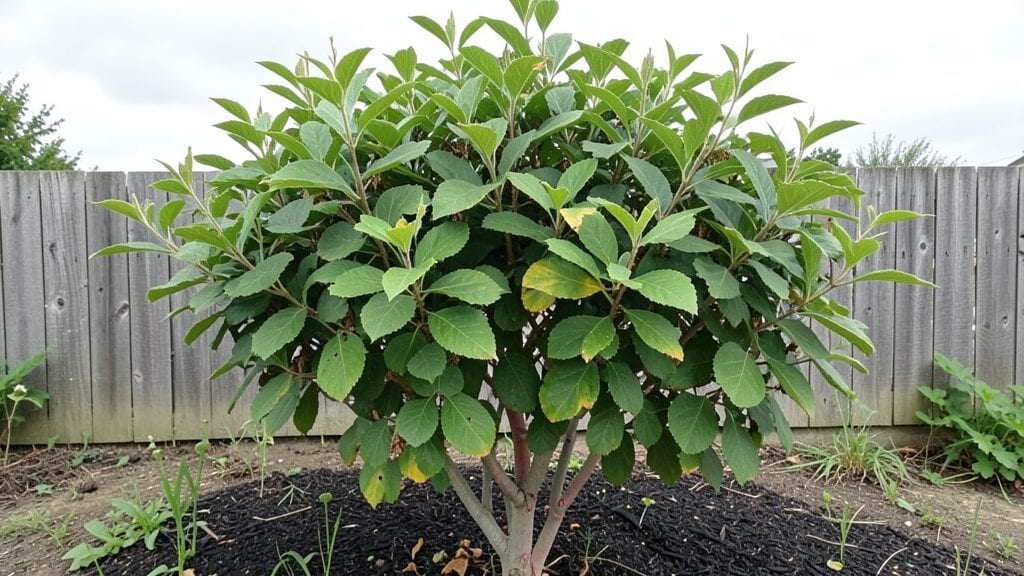
Growing smoke bush is like planting a living sculpture that never asks for much in return. This drought-resistant stunner thrives in poor soil, handles heat waves, and rewards you with those signature wispy plumes that look like smoke caught in sunlight.
I’ve watched mine go from a bare-bones sapling to a 6-foot showstopper with almost no effort—just the right spot and occasional pruning.
The secret to its effortless beauty starts with well-draining soil and full sun exposure. Smoke bush tolerates rocky or sandy ground better than most shrubs, making it perfect for tough landscapes or neglected corners of the yard.
Once established, it barely needs watering, and its foliage turns a fiery red or purple in fall, adding another layer of drama. Prune it back by a third in early spring, and you’ll encourage denser growth and more of those signature feathery blooms.
What you end up with is a low-maintenance plant that outshines most ornamental shrubs. The foliage stays lush and vibrant even through drought, and those cotton-candy-like flower clusters attract butterflies all summer long.
Plus, it’s deer-resistant, which means fewer battles over your landscape. By late summer, your smoke bush will be the talk of the neighborhood—without you lifting a finger after planting.
Works equally well as a standalone specimen, a mixed border plant, or even in containers for smaller spaces. The best part? It keeps getting better with age, making it a true "plant it and forget it" kind of shrub. Let’s get yours growing strong from the start.
📚 In This Guide
- What you need
- Instructions
- Tips and common mistakes
- Wrapping up and next steps
What you need
- ● Plant smoke bush plant: 1 nursery-grown sapling (3–5 gallons in size, ~2–3 feet tall) for best establishment.
- ● Well-draining soil: Mix of 60% native soil, 30% compost, and 10% perlite or coarse sand (amends heavy or clay soil).
- ● Sunlight: Full sun (6+ hours/day) or partial shade (4–6 hours) in hot climates.
- ● Watering can or hose: With a gentle spray nozzle for post-planting hydration.
- ● Organic mulch: 2–3 inches of wood chips or shredded bark to retain moisture and suppress weeds.
- ● Hand trowel or spade (for digging).
- ● Garden gloves (to protect hands from thorns or rough bark).
- ● Pruning shears (for shaping or deadheading post-bloom).
- ○ pH testing kit (optional, ideal soil pH: 6.0–7.0).
- ● Slow-release fertilizer (e.g., 10-10-10, apply once in early spring).
- ● 🌡️ Hardiness zones: Plant smoke bush thrives in USDA zones 5–8—check your local climate!
- ● ✨ Container growing: Use a 15–20 gallon pot with drainage holes if planting in containers.
- ● 🔥 Drought prep: Water deeply 1–2 times per week for the first month, then taper to weekly once established.
Step-by-step instructions for planting and caring for smoke bush
Here’s how to grow this drought-tolerant shrub with minimal effort—perfect for low-maintenance landscapes.
Choose the Right Location and Prepare the Soil
Smoke bush thrives in full sun to partial shade, but it handles heat exceptionally well. I always pick a spot with at least 6 hours of direct sunlight—this ensures the best blooms and that signature smoky foliage. If your climate is extremely hot, a bit of afternoon shade helps prevent leaf scorch, though the plant rarely needs it.
This shrub tolerates poor soil, but it grows best in well-draining soil with a slightly alkaline pH (around 7.0-8.0). If your soil is heavy clay, mix in 2-3 inches of compost or sand to improve drainage. Smoke bush hates soggy roots, so avoid low-lying areas where water pools. A slight mound or raised bed works well if drainage is questionable.
Dig the Hole and Plant the Shrub
Dig a hole twice as wide as the root ball but only as deep as the container it came in. This prevents burying the stem too deeply, which can lead to rot. Gently remove the plant from its container and loosen any circling roots with your fingers—this encourages outward growth instead of a tight root mass.
Place the smoke bush in the hole so the top of the root ball sits level with the surrounding soil. Backfill with the native soil, pressing lightly to remove air pockets but not compacting too firmly. Water deeply right after planting to settle the soil and eliminate gaps. You’ll know it’s done right when the soil surface looks even and the plant stands upright without tilting.
Water and Mulch for Initial Establishment
Water the newly planted smoke bush deeply once a week for the first 4-6 weeks to help roots establish. After that, this drought-resistant shrub rarely needs supplemental water—only during prolonged dry spells (like no rain for 3+ weeks). Overwatering is the biggest mistake beginners make; too much moisture leads to root rot.
Spread 2-3 inches of mulch (like wood chips or gravel) around the base, keeping it 3-4 inches away from the stem to prevent rot. Mulch helps retain moisture, suppress weeds, and regulate soil temperature. Replenish mulch as it breaks down over time, but avoid piling it up against the trunk—this can trap moisture and harm the bark.
Prune and Maintain for Healthy Growth
Smoke bush is low-maintenance, but light pruning keeps it shaped and encourages bushier growth. The best time to prune is late winter or early spring, just before new growth begins. Remove dead, diseased, or crossing branches first, then trim back any overgrowth to your desired shape. You can also prune lightly after flowering to maintain size, but avoid heavy cuts—this shrub blooms on old wood.
Fertilizer is optional, but if your soil is poor, apply a balanced, slow-release fertilizer (like 10-10-10) in early spring. Follow the package instructions, but don’t overdo it—smoke bush isn’t a heavy feeder. Watch for signs of nutrient deficiency, like yellowing leaves, which usually means it’s time to feed. Otherwise, this tough shrub does just fine with minimal intervention.
Enjoy Drought-Resistant Blooms Year After Year
Smoke bush typically blooms in late spring to early summer, producing clusters of pink or white flowers that attract pollinators. The real show comes later when the smoky purple foliage appears—this unique color is what makes the plant so special. Deadhead spent flowers if you want to encourage more blooms, but it’s not necessary.
This shrub is deer-resistant, pest-free, and handles drought like a champ, making it ideal for xeric landscapes, rock gardens, or as a specimen plant. With proper placement and minimal care, it’ll thrive for years with zero fuss. Just give it space to grow—mature smoke bushes can reach 6-10 feet tall and wide, depending on the variety.
Tips & tricks for planting and caring for smoke bush
Here’s what I’ve learned after growing smoke bush for years—these little details make all the difference for a thriving, low-maintenance plant.
Location is Everything: That 6 hours of direct sunlight is non-negotiable for the best blooms and foliage color. I’ve seen smoke bushes struggle in shadier spots—their signature purple leaves lose intensity and flowers become sparse. If you’re in a hot climate, place it where it gets morning sun and afternoon shade to prevent leaf scorch while still maximizing light exposure.
Soil Prep Prevents Problems: The 2-3 inches of compost or sand in heavy clay soil is worth the effort. I once planted one in pure clay without amending, and it took two years to establish properly. The key is improving drainage—smoke bush roots need air, not soggy conditions. If your soil is already well-draining, a simple top dressing of compost is enough to give it a nutrient boost.
Planting Depth Matters: Getting the planting depth right prevents rot and encourages strong growth. The top of the root ball should sit level with the surrounding soil—never bury the stem. I’ve seen beginners plant too deep, and within weeks, the plant shows signs of stress. After planting, give it a good watering to settle the soil, then let it dry out slightly before the next watering to prevent waterlogged roots.
Watering Wisdom: Those first 4-6 weeks of weekly watering are critical for root establishment. I’ve made the mistake of skipping this step during dry spells, and the plant struggled to take hold. After that initial period, let the soil dry out completely between waterings—smoke bush is designed to handle drought once established. If you’re unsure, stick your finger in the soil; if it’s dry 2-3 inches down, it’s time to water.
Pro Tips for Plant Smoke Bush
- Here’s what I’ve learned after growing smoke bush for years—these little details make all the difference for a thriving, low-maintenance plant.
- Location is Everything: That 6 hours of direct sunlight is non-negotiable for the best blooms and foliage color.
- Soil Prep Prevents Problems: The 2-3 inches of compost or sand in heavy clay soil is worth the effort.
Frequently asked questions
Is the Plant Smoke Bush really drought-resistant?
The Plant Smoke Bush (Ceratostigma plumbaginoides) is exceptionally drought-tolerant once established. While it loves well-draining soil, it can survive brief dry spells—just water deeply once a month during hot spells. Overwatering is the bigger risk, so let the soil dry out between waterings. Pro tip: Mulch around the base to retain moisture and deter weeds!
How long does it take for a Plant Smoke Bush to bloom?
Patience pays off! Most Plant Smoke Bushes take 1–2 years to establish and bloom, though some may flower in their first season if planted in ideal conditions. For faster results, choose a well-rooted nursery plant (1–2 feet tall) over seeds. Blooms typically appear in late summer to fall, with vibrant purple-blue flowers that last for weeks.
Can I grow a Plant Smoke Bush in hot climates?
This bush thrives in heat (USDA Zones 5–9) but may need afternoon shade in extreme desert climates (100°F+). Ensure it has well-draining soil to prevent root rot. If your area has intense heat waves, water lightly in the morning to avoid stress. Bonus: It’s also cold-hardy down to 0°F!
What’s the best way to prune a Plant Smoke Bush?
Pruning is easy—just trim back leggy growth in early spring to encourage bushier foliage. Deadhead spent blooms to prolong flowering, and lightly shape the plant after it finishes blooming. Avoid heavy pruning; this bush self-cleans by dropping older leaves in winter. Warning: Wear gloves—its leaves can be slightly irritating!
Are there any alternatives if my Plant Smoke Bush struggles?
If your Plant Smoke Bush isn’t thriving, try these low-maintenance, drought-tolerant alternatives:
- Russian Sage (Perovskia atriplicifolia) – Silvery foliage, purple spikes, loves heat.
- Lavender (Lavandula) – Fragrant, drought-proof, and pollinator-friendly.
- Catmint (Nepeta) – Long-blooming, deer-resistant, and hardy.
- Yarrow (Achillea) – Tough, colorful, and thrives in poor soil.
Wrapping up and next steps
The Plant Smoke Bush is a standout choice for gardeners seeking low-maintenance, drought-resistant beauty with vibrant blooms. Its resilience and striking foliage make it a perfect addition to any landscape—whether you're a seasoned pro or just starting.
Ready to transform your outdoor space? Grab your gloves, pick a sunny spot, and get planting! 🌿✨
For extra tips or troubleshooting, bookmark this guide or explore local nursery recommendations. Happy gardening!