
Vegetables
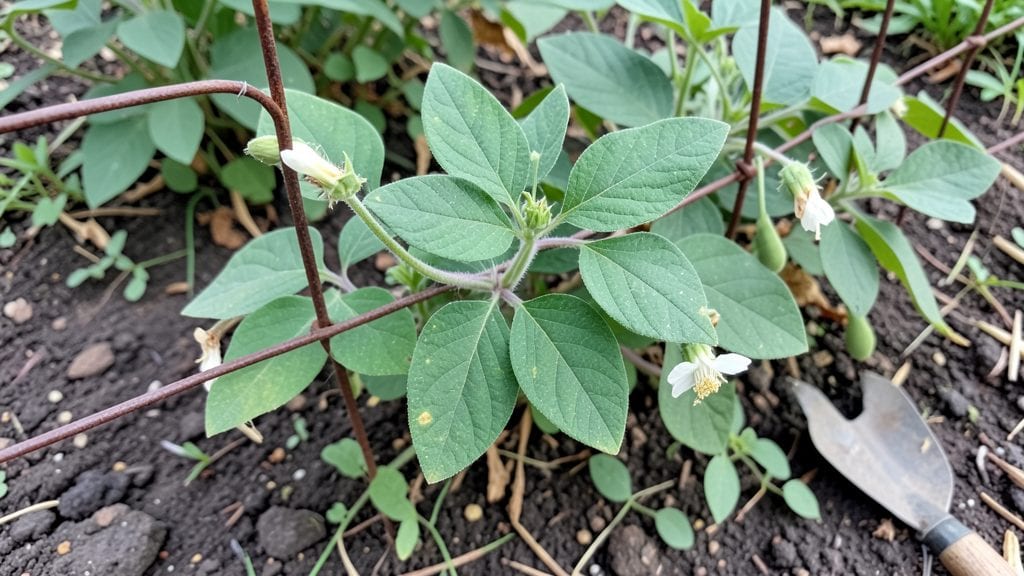
Planting butter beans is a game-changer—sprouts appear in days, not weeks—something I learned after waiting months for other beans to finally emerge. 🌱 The secret to their speed lies in warm soil, proper spacing, and a little patience, but the payoff is worth it. tender pods ready to pick in just 60 days.
My first batch last summer had me harvesting so many I gave them away to neighbors.
You’ll need a sunny spot with well-draining soil, preferably warmed to 65°F or higher. Butter beans thrive in 12-inch-deep trenches, spaced 4-6 inches apart in rows 3 feet apart—this gives roots room to stretch without crowding.
Plant seeds 1 inch deep, and if frost lingers, wait until after the last frost date or use black plastic mulch to warm the soil faster.
Watering is simple: keep soil consistently moist but never soggy. Once plants reach 6 inches tall, a weekly deep watering (about 1 inch) keeps them happy. The real magic happens when you see those first heart-shaped leaves—that’s when you know you’re on track for a bountiful harvest.
By midseason, you’ll be picking pods every few days.
Here’s the best part: butter beans play well with others. Plant them near corn or potatoes to improve growth, and avoid onions or garlic—they stunt bean development. If you’ve ever struggled with slow-growing beans, this variety changes the game. Let’s get those seeds in the ground!
📚 In This Guide
- What you need
- Instructions
- Tips and common mistakes
- Wrapping up and next steps
What you need
- ● Butter Bean Seeds: 1–2 lbs (about 1–2 cups) per 100 sq. ft. (choose a fast-maturing variety like 'Contender' or 'Henderson' for quicker harvests).
- ● Well-Draining Soil: pH 6.0–7.0. Mix in 2–3 inches of compost or aged manure for nutrient-rich soil.
- ● Fertilizer: Starter Fertilizer: 1 tbsp. of 10-10-10 or balanced organic fertilizer per planting hole.
- ● Side-Dress Fertilizer: 1 cup of 5-10-10 or compost tea every 4–6 weeks.
- ● Watering Supplies: Hose with a gentle spray nozzle or drip irrigation system (consistent moisture is key!).
- ○ Support Structures (Optional but Helpful): Trellis, stakes, or cages (6–8 ft. tall) for climbing varieties.
- ● Mulch (straw or grass clippings) to retain moisture and suppress weeds.
- ● Sunlight: Full sun (6–8+ hours daily). Butter beans thrive in warm climates (plant after the last frost when soil is at least 60°F).
- ● Space: 18–24 inches between plants and 3–4 ft. between rows (or 6–8 ft. for trellised varieties).
- ● Time: 2–3 months from planting to harvest (depending on variety).
- ● Patience: Butter beans love warmth—rush them, and you’ll risk poor germination. 🌡️
- ● Seedling trays or biodegradable pots for early starts (if planting before the last frost).
- ● Row covers (floating fabric) to protect young plants from pests or cool nights.
- ● Organic pest control (neem oil, diatomaceous earth) for aphids or bean beetles.
- ● Harvest basket or cloth bag to gently collect pods without bruising.
Step-by-step instructions for planting butter beans
Here’s the straightforward method I’ve used to get butter beans sprouting in just 3-5 days—faster than most varieties.
🌱 Step 1: Prepare the Soil for Fast Germination
Butter beans thrive in warm, loose soil that drains well. Work the 3 gallons of compost into the top 6 inches of your planting area to improve drainage and fertility. Butter beans are sensitive to cold soil, so wait until the ground reaches at least 60°F—use a soil thermometer to check. If your soil is heavy clay, mix in 1 gallon of perlite to lighten it up.
Level the planting area with a rake, removing any rocks or debris. Butter beans grow best in full sun, so choose a spot that gets at least 6-8 hours of direct sunlight daily. If your site is windy, consider adding a temporary windbreak to protect young plants.
🌱 Step 2: Plant Seeds at the Right Depth and Spacing
Butter beans are large seeds, so plant them 1 inch deep and 4-6 inches apart in rows spaced 18-24 inches apart. Drop seeds individually into the soil—crowding them leads to weak, tangled vines. If you’re planting 4 rows as suggested, mark your rows with a garden twine or stake for precision.
Gently press the soil around each seed to ensure good seed-to-soil contact. Water the area lightly but don’t soak it—you want the soil moist but not soggy. Butter beans germinate fastest in consistently warm, damp conditions, so aim to keep the soil temperature around 70°F during germination.
💧 Step 3: Water and Monitor for Sprouting
Water the planted seeds gently every 2-3 days until the soil feels 1 inch dry at the surface. Avoid overhead watering once seedlings emerge—direct water to the base to prevent fungal diseases. You’ll see sprouts in as little as 3 days if conditions are ideal, but don’t be surprised if it takes up to 10 days in cooler weather.
Once the first true leaves appear (not the initial seed leaves), thin seedlings to 3-4 inches apart to give plants room to grow. If you planted too many, snip the thinnest seedlings at soil level with clean scissors—don’t pull them to avoid disturbing roots.
☀️ Step 4: Provide Support and Maintain Growth
Butter beans are vigorous climbers, so install 5-foot tall trellises or stakes as soon as plants reach 6 inches tall. Gently weave vines through the trellis or tie them to stakes with soft plant ties. This keeps pods off the ground, reducing rot and making harvesting easier. If you’re growing 4 plants, a simple teepee made from bamboo stakes works well.
Water deeply 1-2 times per week, aiming for 1 inch of water per week. Butter beans are drought-tolerant once established, but consistent moisture during flowering and pod development ensures a better yield. Mulch around plants with 2 inches of straw to retain moisture and suppress weeds.
✂️ Step 5: Harvest at Peak Maturity for Best Flavor
Butter beans are ready to harvest when pods are 4-6 inches long and slightly plump but still tender. Check plants every 2-3 days starting 60-70 days after planting. Pick pods in the morning when moisture levels are lowest—this prevents them from becoming tough or fibrous.
Use pruning shears or your fingers to snap pods cleanly from the vine. Harvest regularly to encourage more production. If left too long, pods will turn woody and seeds will harden. Store freshly picked beans in the fridge for up to 5 days or freeze them for longer storage.
Tips & tricks for perfect butter bean planting
Fast germination isn't luck—it's science. Here's how to maximize those 3-5 day sprouting windows while avoiding common pitfalls that slow everything down.
Soil Temperature Matters: The 60°F minimum isn't just a suggestion—it's the threshold where butter beans start struggling. I've seen germination times double when soil dips below this. Use a soil thermometer for 3 days before planting to confirm consistent temperatures. If your spring is unpredictable, consider using black plastic mulch to warm the soil faster. The 70°F sweet spot during germination? That's when those little sprouts appear in just 3 days instead of 10.
Planting Precision: Those 1-inch deep seeds need perfect placement. Press them firmly but don't compact the soil—you want gentle contact, not pressure. I use my thumb to make shallow dimples first, then drop seeds in. For the 4-6 inch spacing, I mark rows with a stick and string for straight lines. Crowding leads to tangled vines and poor airflow, which invites fungal diseases. Trust me on this—straight rows make harvesting a breeze.
Watering Wisdom: The "1 inch dry" rule is critical during germination. Stick your finger in—if the top inch feels dry, it's time to water. I use a gentle spray nozzle to avoid disturbing seeds. Once sprouts appear, switch to drip irrigation at the base. Overhead watering creates fungal risks, and butter beans hate wet leaves. The 2-3 day watering schedule keeps soil consistently moist without waterlogging.
Support System: Don't wait until plants reach 6 inches to install trellises—get them in early if possible. I've seen vines snap under their own weight when support comes too late. For the 4 plants setup, bamboo teepees work perfectly. Weave vines gently through the structure as they grow—never force them. This keeps pods clean and makes harvesting effortless. The 5-foot height gives them plenty of room to climb without sprawling.
Pro Tips for Planting Butter Beans
- Fast germination isn't luck—it's science.
- Soil Temperature Matters: The 60°F minimum isn't just a suggestion—it's the threshold where butter beans start struggling.
- Planting Precision: Those 1-inch deep seeds need perfect placement.
Frequently asked questions
Got questions about planting butter beans?
Here are some of the most common ones—plus quick, practical answers to help you grow a thriving crop with ease!
When is the best time to plant butter beans?
Butter beans thrive in warm soil, so plant them 2–3 weeks after the last frost when temperatures consistently stay above 60°F (15°C). In cooler climates, wait until late spring or early summer. For extended harvests, consider a second planting in early summer—just ensure at least 60 days of warm weather remain before the first frost.
How long does it take for butter beans to germinate?
Butter beans are fast germinators—expect sprouts in 5–10 days under ideal conditions (warm soil, 70–85°F / 21–29°C, and consistent moisture). If germination takes longer than 2 weeks, check soil temperature, moisture, and seed viability. Pro tip: Soak seeds overnight before planting to speed things up!
Can I plant butter beans in containers or small spaces?
Butter beans are compact plants (18–24 inches tall) and perfect for containers, balconies, or small gardens. Use pots at least 12 inches deep with drainage holes and fill with well-draining soil. Plant 2–3 seeds per container, thin to the strongest seedling, and ensure they get 6+ hours of sunlight daily.
What are common pests or diseases, and how do I prevent them?
Butter beans are generally pest-resistant, but watch for bean beetles, aphids, or fungal issues like powdery mildew. To prevent problems:
- Rotate crops annually to avoid soil-borne diseases.
- Use row covers early in the season to deter pests.
- Water at the base (not overhead) to reduce fungal risks.
- Handpick beetles or spray with neem oil if needed.
How do I know when butter beans are ready to harvest?
Harvest butter beans when pods are 3–4 inches long but still tender—usually 60–70 days after planting
. Press a pod gently; if it yields slightly, it’s ready! Use scissors or pruners to cut stems to avoid damaging the plant. For continuous harvests, pick beans every 2–3 days—they won’t last long once ripe!Wrapping up and next steps
Planting butter beans is a rewarding journey that delivers fast germination, high yields, and delicious homegrown harvests—perfect for gardeners of all levels! With the right soil, spacing, and care, you’ll enjoy tender, versatile pods in just 60-70 days.
Whether you’re a beginner or a seasoned gardener, this easy-to-grow variety is a game-changer for your garden.
Ready to dive in? Start by prepping your soil this weekend, then sow those seeds with confidence. Soon, you’ll be savoring the taste of success—one homegrown bite at a time! 🌱✨