
Picking
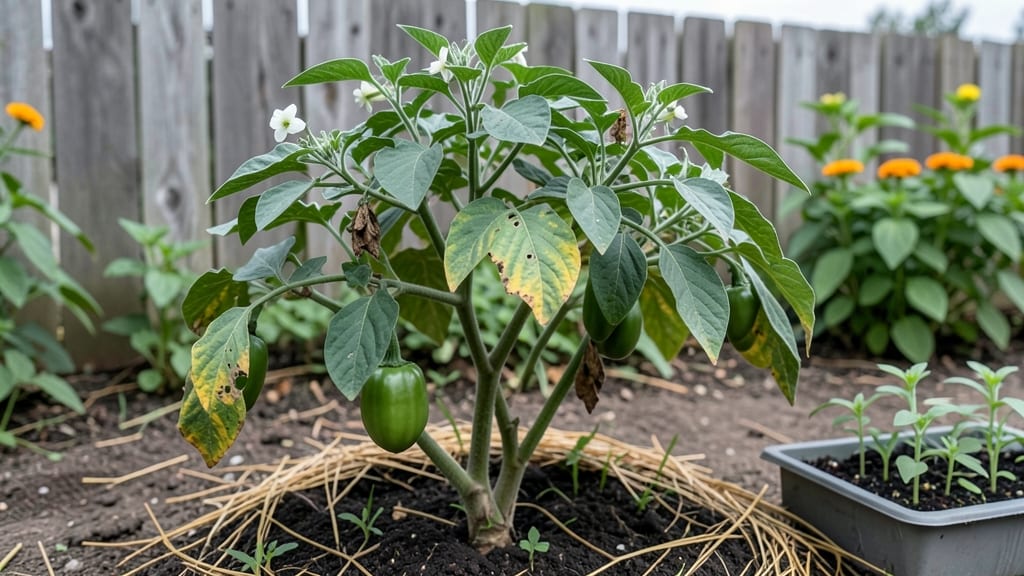
Planting pimento peppers from seed gives you the sweet, mild heat that transforms into perfect roasted red peppers for sandwiches—just like my grandma used to make. 🌱 These aren’t your typical spicy jalapeños; they’re the gentle, flavorful peppers that disappear into dishes without overpowering them.
The key starts with timing: sow seeds indoors 8-10 weeks before your last frost, or plant transplants after all danger of frost has passed and soil warms to at least 65°F.
You’ll need well-draining soil mix—think 60% potting soil, 30% compost, and 10% perlite—to keep roots happy. Pimento peppers love warmth and sunlight, so place them in a spot getting at least 6-8 hours of direct sun daily.
If you’re starting seeds, keep them in a warm spot (70-80°F) and expect germination in 10-15 days. Transplants should go into the ground when they’re at least 4-6 inches tall, with sturdy stems ready to handle outdoor conditions.
Once planted, keep soil consistently moist but not soggy—they hate wet feet. Mulch around the base to retain moisture and regulate soil temperature, which is especially important in hot climates where peppers can stress out.
Within 60-75 days, you’ll see those signature blocky fruits forming, turning from green to deep red when fully ripe. The first harvest is always a sweet victory, and the flavor only gets richer as the season progresses.
Here’s where beginners often stumble: overwatering or planting too deep. Pimento peppers need space—give them 18-24 inches apart in rows 2-3 feet apart. If you’re growing in containers, a 5-gallon pot per plant works well, but ensure it has drainage.
And remember, these are warm-season babies—don’t rush them into cold soil, or they’ll sulk and refuse to grow. Patience here pays off with a harvest that tastes like summer in every bite.
📚 In This Guide
- What you need
- Instructions
- Tips and common mistakes
- Wrapping up and next steps
What you need
- ● Pimento Pepper Seeds: Quantity: 3–5 seeds per plant (or 1 seed per pot if starting indoors).
- ● Varieties: Choose from classic Capsicum annuum (like 'Hungarian Wax' or 'Pimiento de Padrón').
- ● Containers or Garden Bed: Indoors/Outdoors: 12–18" deep pots (1–2 plants per 5-gallon container) or a sunny garden spot with well-draining soil.
- ● Soil Mix: 1 part potting soil + 1 part perlite or compost (sterilized to prevent disease).
- ● Growing Supplies: Grow lights or a sunny windowsill (6+ hours of light/day if indoors).
- ● Spray bottle for gentle watering.
- ● Fertilizer: Balanced 10-10-10 or organic compost (apply every 4–6 weeks).
- ○ Climate Control (Optional but Helpful): Heat mat (70–80°F soil temp for germination).
- ● Row covers or shade cloth (if temperatures exceed 90°F).
- ● Sunlight: Full sun (6–8+ hours daily).
- ● Warmth: Pimentos thrive in 70–85°F; avoid frost (<50°F stunts growth).
- ● Patience: Germination takes 7–21 days; harvest in 70–90 days.
- ● Space: Plants grow 18–24" tall; stagger planting if space is limited.
Step-by-Step instructions for planting pimento peppers
Here's how to grow these sweet, thick-walled peppers from seed to harvest in your sunny windowsill.
🌱 Step 1: Start Seeds Indoors 8-10 Weeks Before Last Frost
Fill 2-3 inch deep seedling trays with the seed-starting mix and moisten it until damp but not soggy. Pimento seeds need warmth to germinate, so place the tray on a seedling heat mat set to 75-80°F. Press one seed ¼ inch deep in each cell, spacing them 1 inch apart.
Cover the tray with a clear plastic dome to retain moisture and warmth. Germination takes 10-20 days, so be patient—you'll see tiny sprouts push through the soil when they're ready. Keep the soil consistently moist but never waterlogged during this time.
☀️ Step 2: Provide Bright Light and Transplant After Germination
Once sprouts emerge, remove the dome immediately to prevent damping-off disease. Place the seedlings under a grow light or in the sunniest window available, ensuring they get 12-14 hours of light daily. Pimento peppers need strong light to prevent leggy growth—keep the light 2-3 inches above the seedlings.
After 4-6 weeks, when seedlings have 2-3 sets of true leaves, transplant them into 4-inch pots filled with the potting mix. Handle the seedlings gently by their leaves to avoid damaging the stems. Water thoroughly after transplanting to help them settle in.
🪴 Step 3: Harden Off and Plant Outdoors After Warmth
Two weeks before your last frost date, begin hardening off the seedlings by placing them outside in a sheltered spot for 1-2 hours daily. Gradually increase their outdoor time over 10-14 days, allowing them to acclimate to wind and sun. By the time they’re ready for the garden, they should tolerate a full day outside without wilting.
Plant the seedlings in the garden after all danger of frost has passed and soil temperatures reach 60°F. Space them 18-24 inches apart in a location with full sun. Mix 1 cup of compost into the planting hole to provide nutrients for strong growth. Water deeply at planting to encourage root development.
💧 Step 4: Maintain Consistent Water and Fertility
Water pimento peppers 1-1.5 inches per week, keeping the soil evenly moist but not soggy. These peppers are sensitive to drought, so check the soil 1 inch below the surface—if it feels dry, it’s time to water. Use a drip irrigation system or water at the base of the plant to avoid wetting the leaves, which can lead to disease.
Feed the plants every 2-3 weeks with balanced liquid fertilizer (10-10-10) diluted to half strength. Stop fertilizing 4-6 weeks before harvest to allow the peppers to fully develop their sweet flavor. Mulch around the base with 2-3 inches of mulch to retain moisture and suppress weeds.
✂️ Step 5: Harvest and Prune for Continued Production
Harvest pimento peppers when they reach 3-4 inches long and are firm to the touch. Use pruning shears to snip the peppers from the plant, leaving a small stem attached. Regular harvesting encourages more peppers to form—check the plants every 3-5 days during peak production.
Prune the plants lightly by removing any suckers (side shoots) that form in the leaf axils. This directs the plant’s energy toward fruit production rather than leaf growth. If the plant becomes overcrowded, trim back some of the lower leaves to improve airflow and reduce the risk of disease. With proper care, you’ll enjoy a bountiful harvest of sweet pimento peppers all season long.
Tips & tricks for perfect pimento pepper growth
Growing pimento peppers successfully starts with understanding their unique needs—here's what I've learned to help you avoid common pitfalls and maximize your harvest.
Heat Mat Precision: That 75-80°F heat mat setting in Step 1 is critical for germination. I use a digital thermometer to monitor the temperature—pimento seeds can take up to 20 days to sprout, and consistent warmth is the key to breaking through that long wait. If your heat mat fluctuates, consider adding a secondary layer of insulation like a foam board underneath the tray.
Light Distance Matters: In Step 2, maintaining that 2-3 inch distance between your grow light and seedlings is more important than you might think. I've seen seedlings stretch toward light when they're too far away, creating weak stems that can't support the pepper plants later. Use a ruler to check the distance regularly—this small detail prevents leggy growth that can ruin your harvest.
Transplant Timing Secret: The 4-6 week mark for transplanting in Step 2 is your window to avoid root shock. I wait until I see the third set of true leaves before moving seedlings to 4-inch pots. This gives them enough root development to handle the transition. When transplanting, water thoroughly but gently—forceful watering can dislodge the delicate new roots.
Harden Off Gradually: That 10-14 day hardening off period in Step 3 is where most people rush and regret it. Start with just 1-2 hours in the shade, then gradually increase exposure. I've seen seedlings wilt dramatically when moved too quickly—this is their way of telling you to slow down. The goal is to toughen them up without shocking their systems, so take your time with this crucial step.
Pro Tips for Planting Pimento Peppers
- Growing pimento peppers successfully starts with understanding their unique needs—here's what I've learned to help you avoid common pitfalls and maximize your harvest.
- Heat Mat Precision: That 75-80°F heat mat setting in Step 1 is critical for germination.
- Light Distance Matters: In Step 2, maintaining that 2-3 inch distance between your grow light and seedlings is more important than you might think.
Frequently asked questions
Got questions about growing your own pimento peppers? You’re not alone! Here are some of the most common queries—and their answers—to help you cultivate a thriving harvest.
What’s the best time to plant pimento pepper seeds indoors?
Start seeds indoors 8–10 weeks before your last frost date. Pimento peppers thrive in warmth, so use a heat mat (70–85°F) to speed up germination. If you’re in a mild climate, you can direct-sow seeds after all frost risk has passed—just be patient, as they grow slower than hotter varieties!
How long does it take for pimento peppers to mature?
Count on 90–120 days from transplanting to harvest, depending on your climate and variety. Pimentos are slow growers, so plan ahead! With proper care—sun, water, and fertilizer—they’ll reward you with sweet, aromatic peppers perfect for stuffing or pickling.
Why aren’t my pimento pepper plants producing fruit?
Common culprits include inconsistent watering (keep soil evenly moist but not soggy), lack of sunlight (they need 6–8+ hours daily), or nutrient deficiencies. Try a balanced fertilizer (like 10-10-10) mid-season. If flowers drop, it might be too hot—provide afternoon shade in peak summer.
Can I grow pimento peppers in containers?
Choose a 5-gallon pot or larger with drainage holes and a lightweight potting mix. Dwarf varieties like ‘Yankee Girl’ thrive in containers. Just ensure they get full sun and fertilize regularly—container-grown plants dry out faster than in-ground ones.
What can I do if my pimento peppers turn bitter?
Bitterness often stems from overripe fruit or stress (like drought or extreme heat). Harvest peppers when they’re fully colored but still firm. To reduce bitterness, avoid over-fertilizing with nitrogen—opt for a low-nitrogen, high-phosphorus blend instead.
Wrapping up and next steps
Growing pimento peppers is a rewarding journey that brings bold flavor and vibrant color to your kitchen—and your garden! 🌱 From selecting the right seeds to nurturing them with patience, every step leads to a harvest packed with potential.
Whether you’re a seasoned gardener or a curious beginner, these spicy little gems are well worth the effort.
Now that you’re armed with tips and tricks, why not take the next step? Grab those seeds, prep your soil, and let the sunshine do the rest. Happy planting—and get ready to savor the fruits of your labor! 🌶️✨