Vegetables
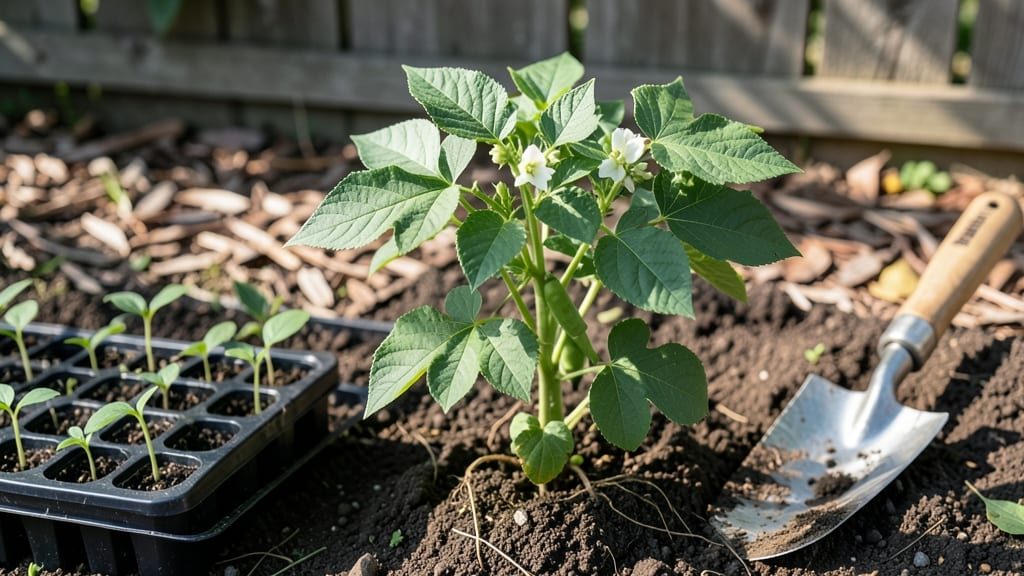
Planting snap beans delivers crisp, sweet harvests in just 55 days—faster than most vegetables. 🌱 I’ve grown them for years, and the trick isn’t just timing; it’s getting the soil, spacing, and sunlight right from day one.
Skip the guesswork, and you’ll be snapping fresh pods straight from your garden in less than two months.
The secret starts with warm soil—wait until nighttime temps stay above 50°F, then plant seeds 1 inch deep and 3 inches apart. Direct sowing beats transplants here, since beans hate root disturbance. Use a soil thermometer to check readiness, and pick a spot with full sun (6+ hours daily).
By day 40, you’ll see vines climbing and pods forming—just keep the soil moist (not soggy) and watch for pests like bean beetles. A quick companion planting trick with marigolds or radishes keeps bugs away while boosting flavor.
The first harvest comes fast, but the real payoff? A garden that keeps producing all summer.
Works in containers or rows, from small patios to backyard plots. Here’s exactly how to time it, space it, and care for it—no waiting, no wasted effort, just fast, fresh beans in record time.
📚 In This Guide
- What you need
- Instructions
- Tips and common mistakes
- Wrapping up and next steps
What you need
- ● Snap Bean Seeds: 2–3 lbs (or ~100–150 seeds) of your favorite variety (e.g., Blue Lake, Contender, or Provider). Choose heirloom or disease-resistant types for best results.
- ● Well-Draining Soil: A mix of 60% topsoil, 30% compost, and 10% perlite/sand (pH 6.0–7.0). Test soil fertility beforehand!
- ● Fertilizer: Balanced starter fertilizer (e.g., 10-10-10) at planting time.
- ● Low-nitrogen fertilizer (e.g., 5-10-10) when plants are 4–6 inches tall.
- ● Water: At least 1–2 gallons per plant daily during dry spells (early morning watering is key!).
- ● Garden Trowel or Transplanter – For digging holes or trenches (6–8 inches deep).
- ● Garden Gloves – To protect hands while handling soil and seeds.
- ● Row Marker or Stakes – To mark planting rows (18–24 inches apart).
- ● Mulch (Straw or Grass Clippings) – 2–3 inches thick to retain moisture and suppress weeds.
- ○ Trellis or String System (Optional) – For bush varieties, use stakes; for pole beans, install a 5–6 ft trellis.
- ● Sunlight: Full sun (6–8 hours daily) – Snap beans are sun-worshippers!
- ● Warm Soil: Wait until soil temps reach 60°F+ (use a soil thermometer if unsure).
- ● Last Frost Date: Plant 2–3 weeks after your area’s last frost (or start indoors 2–3 weeks early for a head start).
- ● Crop Rotation Note: Avoid planting beans where other legumes (peas, peanuts) grew last season to prevent soil-borne diseases.
Step-by-Step instructions for planting snap beans
Here’s how to get your snap beans growing strong in just a few weeks—no fuss, no waiting.
🌱 Step 1: Prepare the Soil for Fast Germination
Snap beans love loose, well-draining soil that warms up quickly. Work the 3 gallons of garden soil and 1 cup of compost into the top 12 inches of your planting area until it’s crumbly and free of clumps. Avoid working the soil when it’s wet—you’ll compact it and slow root growth.
Here’s the thing—beans hate cold soil. If your spring nights are still chilly, wait until the soil temperature hits at least 60°F before planting. Stick a soil thermometer 2 inches deep in the ground for an accurate reading. Warm soil means faster germination—you’ll see sprouts in 5-7 days instead of weeks.
🌱 Step 2: Plant Seeds at the Right Depth and Spacing
Drop 4-5 seeds every 3-4 inches apart in rows spaced 18 inches apart. Planting too deep or too close leads to weak, tangled plants that produce fewer pods. Press each seed 1 inch deep into the soil—just enough to cover it lightly. If you’re planting in rows, use the wooden dowels to mark your spacing for consistency.
Don’t overcrowd, even if it seems like wasted space. Snap beans need room to breathe, and packed-in plants compete for nutrients, slowing growth. Once they’re in, water gently but don’t soak the soil—you want it moist but not soggy. A light misting with the spray bottle keeps seeds in place while encouraging even moisture.
☀️ Step 3: Provide Warmth and Consistent Moisture
Beans need full sun—at least 6-8 hours daily—but they’ll bolt (flower too quickly) if stressed by heat or drought. Mulch the planting area with 1 inch of straw right after sowing to lock in moisture and keep roots cool. This is especially critical in hot climates where soil can dry out fast.
Water deeply once a week (about 1 inch of water) rather than daily shallow watering. You’ll know it’s enough when the top 2 inches of soil feel damp but not wet. Avoid wetting the leaves—water at the base to prevent fungal diseases like rust, which can ruin your harvest.
🌿 Step 4: Thin Seedlings and Support Vines
When seedlings reach 3-4 inches tall (about 2-3 weeks after planting), thin them so only the strongest plant remains every 4 inches. Use scissors to snip weak seedlings at soil level—don’t pull them, or you’ll disturb the roots of the ones you’re keeping.
If you’re growing bush beans, skip the trellis. But for pole varieties, install the 5-foot bamboo stakes or wire trellis as soon as vines climb 6 inches high. Gently weave or tie vines to the support with soft twine—this keeps pods off the ground, reduces disease risk, and makes harvesting easier. You’ll thank yourself when you’re picking beans all summer without bending over.
⏰ Step 5: Harvest at Peak Freshness for Maximum Yield
Start checking for pods when plants hit 50-60 days after sowing. Pick beans every 2-3 days—they go from tender to stringy fast. Use two hands: one to hold the plant, the other to snap the pod cleanly at the stem. Don’t tug or you’ll damage the vine.
Here’s how to know they’re ready: pods should be 3-5 inches long, bright green, and snap easily when bent. If you miss a harvest window, beans turn woody and tough. Keep picking until the first frost, then pull up the whole plant—you can compost it or save seeds for next year. With this method, you’ll get 4-6 weeks of fresh harvests from a single planting.
Tips & tricks for perfect snap bean planting
Fast germination and a bountiful harvest start with these simple tricks that'll save you time and frustration.
The Soil Temperature Secret: That 60°F soil temperature isn't just a suggestion—it's the magic number for fast germination. I've planted in cooler soil and waited weeks for sprouts. Use a soil thermometer to check 2 inches deep in the morning when soil is coolest. If it's below 60°F, wait or use black plastic mulch to warm it up faster. This ensures those 5-7 days to sprouts rather than the two-week wait.
Spacing Hack for Pole Beans: When installing your 5-foot bamboo stakes or wire trellis in Step 4, place them 1 foot outside your planting rows. This gives you extra space to move around while harvesting without disturbing the plants. Trust me on this—you'll appreciate the extra room when you're picking beans every 2-3 days during peak harvest.
Watering Wisdom: The 1 inch of water weekly guideline works best when applied deeply and slowly. Use a rain gauge or tuna can to measure—fill it with water and pour when empty. Water in the morning so soil has all day to dry slightly, preventing fungal diseases. I've ruined entire plantings by watering in the evening when humidity traps moisture on leaves.
Thinning Timing: Don't wait until seedlings are crowded to thin in Step 4. When they reach 3-4 inches tall, use scissors to snip weak seedlings at soil level. This prevents root disturbance and gives remaining plants more nutrients. I learned this the hard way after pulling seedlings and damaging the stronger ones—now I always use clean, sharp scissors for a clean cut.
Pro Tips for Planting Snap Beans
- Fast germination and a bountiful harvest start with these simple tricks that'll save you time and frustration.
- The Soil Temperature Secret: That 60°F soil temperature isn't just a suggestion—it's the magic number for fast germin...
- Spacing Hack for Pole Beans: When installing your 5-foot bamboo stakes or wire trellis in Step 4, place them 1 foot o...
Frequently asked questions
Got questions about growing snap beans? You’re not alone! Here are some of the most common concerns—plus quick, practical answers to get you growing with confidence.
How soon can I harvest snap beans after planting?
Snap beans are fast—typically ready to harvest in just 50–60 days from planting! For bush varieties, pick when pods are 4–6 inches long and crisp. Pole beans may take slightly longer (60–70 days) but produce for weeks. Pro tip: Harvest every 2–3 days to encourage more production!
When is the best time to plant snap beans?
Snap beans thrive in warm soil (60–85°F). Plant after the last frost when nighttime temps stay above 50°F. In cooler climates, start seeds indoors 2–3 weeks before the last frost or use row covers. For a fall crop, sow seeds 80–100 days before your first frost—they love summer’s heat but hate cold snaps.
What pests should I watch for when growing snap beans?
Common pests include bean beetles, aphids, and Mexican bean beetles. Look for chewed leaves or holes in pods. Preventative fixes: Use row covers early, handpick beetles, or spray with neem oil. For severe infestations, rotate crops yearly and plant pest-resistant varieties like ‘Blue Lake’ or ‘Provider.’
Can I grow snap beans in containers or small spaces?
Bush beans are perfect for containers (5+ gallons per plant) or small gardens. Pole beans need taller supports (4–6 feet) but save space by growing vertically. Use well-draining soil, water consistently, and place pots in full sun (6+ hours/day). Bonus: Dwarf varieties like ‘Mascotte’ work great for balconies!
What can I do if my snap beans stop producing?
If beans quit flowering or producing, check for these issues:
- Overwatering: Soil should stay moist but not soggy.
- Nutrient deficiency: Add compost or a balanced fertilizer (10-10-10) when flowers appear.
- Heat stress: Beans may bolt in extreme heat (>90°F). Provide afternoon shade or mulch to keep roots cool.
- Pests/disease: Inspect leaves for spots or chew marks—treat promptly.
Give them a little TLC, and they’ll bounce back!
Wrapping up and next steps
Growing snap beans is a rewarding experience—whether you're a seasoned gardener or a beginner eager to try your hand at fast, flavorful harvests! 🌱 With just 55 days to a bountiful crop, these easy-to-grow plants deliver quick satisfaction and delicious rewards.
Now that you’re equipped with the right tools, timing, and tips, there’s no better time to plant those seeds and watch your garden thrive.
Ready to take the next step? Start small—try a few rows or containers—and let your confidence grow with each harvest. Before you know it, you’ll be sharing fresh snap beans with friends and family, proving that homegrown goodness is just a few weeks away! 🌟