
Diseases
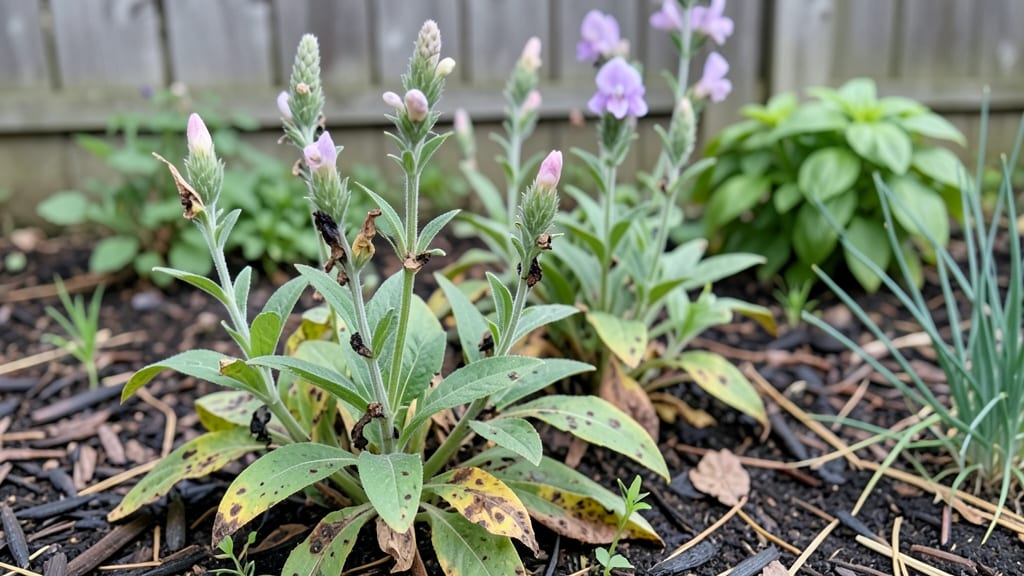
Snapdragon plant diseases can turn vibrant blooms into sad, spotted messes overnight—though I’ve learned to spot the warning signs early. 🌿 The most common fungal foes like powdery mildew and rust leave telltale marks: white dust on leaves or orange pustules, respectively.
These aren’t just cosmetic issues; left unchecked, they weaken plants and cut back your flower show.
Most of these problems start with humidity or poor airflow, especially in crowded garden beds. I’ve found that spacing plants properly and watering at the base (not overhead) cuts down on fungal spores landing on leaves.
Organic sprays like neem oil or baking soda mixtures work well for early stages—just mix 1 tablespoon of baking soda with a gallon of water and spray weekly.
Once you recognize the symptoms, treatment becomes straightforward: prune infected leaves immediately, apply fungicide, and keep the area dry. Within a few weeks, your snapdragons bounce back with fresh foliage and a fuller bloom cycle. The key is acting fast—don’t wait until the whole plant looks sad.
Prevention is easier than cleanup, so focus on airflow, sunlight, and clean tools. A quick wipe-down of pruners with rubbing alcohol after each use stops spores from spreading between plants. With these steps, your snapdragons stay healthy and put on a show all season long.
Root Causes Of Snapdragon Struggles
Snapdragons (Antirrhinum majus) are stunning, vibrant flowers that brighten gardens with their unique blooms—but they’re not immune to disease. Understanding why these issues arise is the first step to prevention and recovery.
Below, we break down the key factors that turn a healthy snapdragon into a struggling one, from microscopic invaders to environmental missteps.
Fungi are the #1 culprits behind snapdragon diseases, thriving in damp, stagnant conditions. Here’s how they exploit weaknesses:
- 🌡️ High Humidity & Poor Airflow Fungal spores like those causing powdery mildew (Erysiphe) or downy mildew (Peronospora) spread rapidly when humidity stays above 70% for extended periods. Poor airflow (e.g., overcrowded plants) traps moisture, creating the perfect fungal buffet.
- 💧 Overhead Watering Wet foliage for prolonged periods gives fungi like Botrytis blight (Botrytis cinerea) direct access to plant tissues. Unlike roots, leaves aren’t designed to handle moisture—think of it like leaving a sponge soaked overnight.
- 🌱 Weakened Plant Immunity Stressed snapdragons (from drought, nutrient deficiency, or transplant shock) have thinner cell walls, making them easier targets. Fungi release enzymes that break down these defenses, leading to lesions or rot.
Diseases don’t just appear out of nowhere—they exploit gaps in your snapdragons’ resilience. Here’s how:
- 🔥 Extreme Temperature Swings Snapdragons prefer 60–75°F (15–24°C). Sudden heatwaves or cold snaps stress plants, reducing their ability to fight off pathogens. For example, Alternaria leaf spot thrives in hot, humid conditions (above 80°F/27°C), while gray mold (Botrytis) loves cool, damp nights.
- 🌧️ Prolonged Rain or Irrigation Overload Waterlogged soil cuts off oxygen to roots, leading to root rot (Phytophthora, Pythium). Even "light" rain can be problematic if drainage is poor—imagine your snapdragons’ roots drowning in a swamp instead of breathing.
- 🪴 Poor Soil Health Compacted, nutrient-poor, or overly alkaline/acidic soil (pH <5.5 or >7.5) starves plants, making them susceptible to diseases like fusarium wilt. Healthy soil = stronger roots = better disease resistance.
Some diseases hitch a ride on pests or feed on the damage they leave behind:
- 🐜 Aphids & Whiteflies These sap-suckers weaken plants and excrete honeydew, a sticky residue that fosters sooty mold (Capnodium). The mold itself isn’t deadly, but it blocks sunlight, further stressing the plant—like wearing a blackout curtain on a sun-loving flower.
- 🦟 Slugs & Snails Their feeding creates open wounds where fungi like gray mold can invade. A single slug trail can turn a healthy leaf into a disease hotspot overnight.
- 🐜 Spider Mites While not disease vectors themselves, their feeding causes stippling (tiny white dots) on leaves, reducing photosynthesis. Weakened leaves are then prime targets for fungal infections.
💡 Pro Tip: Rotate crops annually (avoid planting snapdragons in the same spot every year) to break fungal life cycles in the soil. Fungi like Verticillium can persist for years—disrupting their habitat is key!
Fixing Snapdragon Ailments Fast
When your snapdragons show signs of stress, quick action can mean the difference between a full recovery and losing your prized plants. Below, we’ve mapped out practical, step-by-step solutions for the most common fungal diseases—plus prevention tips to keep your garden thriving.
Let’s get those blooms back to their vibrant best!
🔥 Cause: White, powdery fungus thrives in humid, crowded conditions. 👨🍳 Fix:
- Prune infected leaves (🔪) and dispose of them in the trash (not compost).
- Wash plants with a baking soda spray (1 tsp baking soda + 1 quart water + a drop of dish soap). Spray early morning to avoid burning leaves.
- Improve airflow by thinning out overcrowded plants or moving them to a sunnier spot (🌞).
- Apply neem oil (🌿) as a preventative spray every 7–10 days.
💡 Prevention Tip: Space plants 12–18 inches apart and water at the base (not overhead) to keep foliage dry.
🔥 Cause: Yellow spots on top, fuzzy gray growth underneath—loves damp leaves. 👨🍳 Fix:
- Remove severely infected leaves immediately (🗑️).
- Apply a copper fungicide (🛡️) like Bordeaux mixture or copper soap following label instructions.
- Water in the morning (⏰) so leaves dry by evening.
- Rotate crops next season—don’t plant snapdragons in the same spot.
💡 Prevention Tip: Use resistant varieties like ‘Matrix’ or ‘Tango’ snapdragons if downy mildew is recurrent in your area.
🔥 Cause: Dark, concentric spots with yellow halos—spreads via splashing water. 👨🍳 Fix:
- Snip off affected leaves (🌱) and sterilize pruners with rubbing alcohol.
- Apply a fungicide with chlorothalonil or mancozeb (follow label rates).
- Water at the soil level (💦) and avoid overhead irrigation.
- Rotate planting locations every 2–3 years to break the disease cycle.
💡 Prevention Tip: Sanitize garden tools after each use to prevent cross-contamination.
🔥 Cause: Gray mold on flowers and stems—lurks in damp, shaded areas. 👨🍳 Fix:
- Remove all infected plant debris (🧹) and sterilize the area with a 10% bleach solution (1 part bleach to 9 parts water).
- Deadhead flowers regularly (🌸) to prevent spore buildup.
- Space plants wider (📏) for better airflow.
- Apply hydrogen peroxide spray (3% solution) as a natural fungicide.
💡 Prevention Tip: Avoid evening watering—Botrytis thrives in moisture overnight.
🔥 Cause: Orange pustules on leaves—spreads via wind and water. 👨🍳 Fix:
- Prune infected leaves (🍂) and destroy them (do not compost).
- Spray with copper fungicide (🛡️) every 10–14 days until new growth appears.
- Avoid overhead watering (💧) and water early in the day.
- Rotate crops—don’t plant snapdragons in the same family (e.g., snapdragons, foxgloves) in the same spot for 3 years.
💡 Prevention Tip: Mulch with straw (not wood chips) to reduce soil splashing onto leaves.
🔥 Cause: Yellowing, wilting—fungus attacks roots and blocks water flow. 👨🍳 Fix:
- Remove infected plants (🚫) and sterilize the soil with solarization (cover with clear plastic for 4–6 weeks in hot sun).
- Plant resistant varieties like ‘Liberty Bell’ snapdragons.
- Improve drainage by amending soil with compost and perlite.
- Avoid overwatering—let soil dry slightly between waterings.
💡 Prevention Tip: Test soil pH (aim for 6.0–7.0)—acidic soil worsens wilt diseases.
✅ Water wisely—early morning at the base (never overhead). ✅ Space plants for airflow (12–18 inches apart). ✅ Rotate crops every 2–3 years. ✅ Clean up debris—remove dead leaves/flowers promptly. ✅ Use mulch (straw or gravel) to prevent soil splashing. ✅ Monitor humidity—avoid overcrowding in greenhouses.
🎯 Pro Tip: If diseases persist, test your water—high salinity or poor drainage can stress plants, making them more susceptible.
With these fixes, your snapdragons will bounce back stronger—and stay disease-free for their next blooming season! 🌸💪
Frequently asked questions about snapdragon plant diseases
What are the first signs of powdery mildew on snapdragons?
Look for white, powdery spots on the upper surfaces of leaves, especially in crowded or shaded areas. These spots will spread quickly if humidity stays high, eventually covering entire leaves and weakening the plant. Act fast by pruning infected foliage and applying neem oil or baking soda spray.
Can I save a snapdragon plant with rust disease?
Yes, but you’ll need to act quickly. Remove all leaves with orange pustules immediately, then apply a copper fungicide every 10–14 days. Improve airflow by spacing plants wider and avoid overhead watering. If caught early, the plant can recover, but severe cases may require removal.
Why do my snapdragons keep getting gray mold?
Gray mold (Botrytis) thrives in damp, shaded conditions—especially on overcrowded plants or after evening watering. Deadhead flowers regularly, space plants 18+ inches apart, and water only in the morning. A 3% hydrogen peroxide spray can also help prevent spores from spreading.
Are chemical fungicides safe for snapdragons?
Yes, but choose targeted options like chlorothalonil or copper-based fungicides. Always follow label instructions and apply during cool, dry conditions to avoid burning leaves. For organic gardens, neem oil or baking soda sprays work well as preventatives.
How can I prevent diseases before they start?
Focus on airflow, drainage, and cleanliness: space plants 12–18 inches apart, water at the base (never overhead), rotate crops every 2–3 years, and sterilize tools with rubbing alcohol. Mulch with straw to reduce soil splashing onto leaves.