
Planting
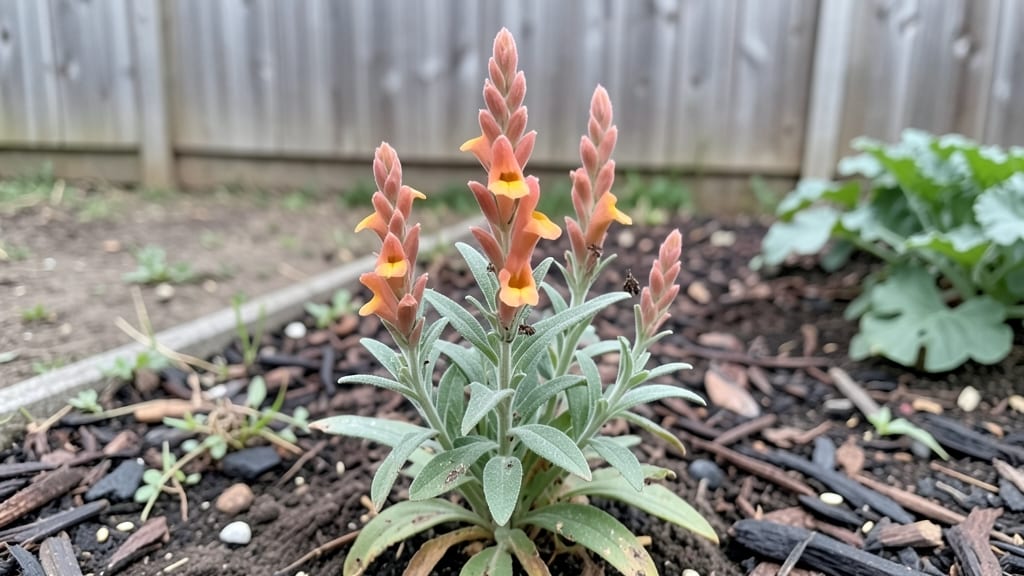
My summer snapdragon plants turned my garden into a nonstop floral show—tall spikes of red, yellow, and purple blooms that lasted from May until first frost. 🌸 The secret lies in their love of heat and their resilience, but only if you nail the soil prep and watering routine.
I learned the hard way that soggy roots or poor drainage will kill them faster than drought.
These bold annuals thrive in full sun but need well-draining soil—think sandy loam mixed with compost. Plant them in spring after frost or late summer for fall blooms, spacing them 12-18 inches apart. Water deeply once a week, letting the soil dry slightly between sessions.
The key? Pruning spent blooms keeps new flowers coming, and a light feeding with balanced fertilizer every 4-6 weeks ensures those vibrant spikes keep growing.
By mid-summer, your garden will be a vertical rainbow of snapdragons, their faces opening and closing with the sun. They attract hummingbirds and deter pests like aphids, making them a low-maintenance superstar.
The only downside? Slugs love them—so add diatomaceous earth around the base if you notice chewed leaves. With the right care, you’ll have blooms until hard frost.
Bonus tip: Mix them with salvias or marigolds for extra pest protection and color contrast. These plants are forgiving but won’t tolerate neglect—so give them the right start, and they’ll reward you with months of effortless beauty. Ready to grow yours?
📚 In This Guide
- What you need
- Instructions
- Tips and common mistakes
- Wrapping up and next steps
What you need
- ● Snapdragon seeds or seedlings: Choose Antirrhinum majus varieties suited for your climate (e.g., ‘Liberty Series’ for heat tolerance). Start with 5–10 seeds per pot or 1–2 seedlings per planting spot.
- ● Well-draining potting mix: 1–2 gallons (for containers) or blend with compost for in-ground planting (aim for 2–3 cubic feet per 10 sq ft of bed).
- ○ Containers (optional): 5–7 inch pots with drainage holes (or reuse clean containers like yogurt cups with holes punched in!).
- ● Slow-release fertilizer: 1 tbsp per gallon of soil (look for a 10-10-10 or 14-14-14 NPK ratio).
- ● Watering can or hose with a gentle nozzle: Snapdragons hate soggy roots!
- ○ Gloves (optional): Protect your hands from soil and thorns (some varieties have mild prickles).
- ● Trowel or small shovel: For transplanting seedlings or digging holes (1 inch deep, 12–18 inches apart for spacing).
- ○ Mulch (optional): 1–2 inches of straw or shredded leaves to retain moisture and suppress weeds.
- ○ Stakes or cages (optional): Tall varieties (like ‘Rocket Series’) may need 6-inch stakes for support.
- ● Sunlight access: Full sun (6+ hours/day) is a must—partial shade works in hot climates.
Step-by-step instructions for planting and maintaining summer snapdragons
Here's how to grow vibrant, long-blooming snapdragons that thrive from spring until frost.
🌱 Step 1: Choose the Right Location and Prepare the Soil
Snapdragons adore full sun—at least 6-8 hours daily—but they tolerate light shade in hotter climates. I always pick a spot with afternoon shade if your summers run scorching. Before planting, loosen the soil to a depth of 12 inches with a garden fork to improve drainage and root penetration.
Amend the soil with 2-3 inches of compost mixed into the top 6 inches. Snapdragons prefer slightly acidic to neutral soil with a pH between 6.7-7.4. If your soil is heavy clay, work in 1-2 inches of perlite or coarse sand to prevent root rot. The goal is well-draining, fertile soil that holds moisture without becoming soggy.
🌿 Step 2: Plant Seeds or Transplants at the Right Time
For direct sowing, plant seeds 4-6 weeks before your last frost date in spring. Snapdragons germinate best in 60-70°F soil, so use a seedling heat mat if your spring nights are chilly. Press seeds ¼ inch deep and 12 inches apart in rows 18 inches apart to allow airflow and prevent disease.
If starting from transplants, wait until soil temperatures reach 50°F and all frost risk has passed. Gently remove seedlings from their containers, tease apart crowded roots, and plant them at the same depth they grew in pots. Water immediately after planting to settle the soil and eliminate air pockets around roots.
💧 Step 3: Water Consistently and Fertilize for Continuous Blooms
Snapdragons need 1-1.5 inches of water weekly, delivered at the base of the plant to keep foliage dry and prevent powdery mildew. Water deeply in the morning so foliage has all day to dry. You'll know you're watering correctly when the top 2 inches of soil feel dry before the next watering.
Feed plants with a balanced liquid fertilizer (10-10-10) every 3-4 weeks starting when buds form. I switch to a low-phosphorus fertilizer (5-10-10) after the first flush of blooms to encourage more foliage growth. Deadhead spent blooms regularly to redirect energy into new flowers and extend the blooming season.
✂️ Step 4: Prune and Support for Strong Growth
Pinch back the main stem of young plants when they reach 6 inches tall to encourage bushier growth. This simple step prevents leggy stems and produces more blooms. Remove any yellow or diseased leaves immediately to prevent the spread of pathogens.
Stake taller varieties like 'Black Knight' or 'Matrix' with 6-inch bamboo stakes inserted at planting. Tie stems loosely with soft plant ties every 4-6 inches as they grow. Avoid tight ties that can girdle stems as plants mature. In late summer, cut back faded plants by half their height to stimulate a second flush of blooms before frost.
☀️ Step 5: Protect and Extend the Blooming Season
Watch for powdery mildew in humid summers—it appears as white, powdery patches on leaves. At the first sign, spray plants with a neem oil solution (1 tsp per quart of water) in the early morning. For extra protection, water at the base and avoid overhead irrigation.
To extend blooms into fall, cover plants with frost cloth when nighttime temperatures dip below 32°F. Most snapdragons tolerate light frosts, but a protective covering buys you 2-4 extra weeks of color. Harvest seeds from mature plants by drying flower heads in paper bags—they'll germinate reliably next spring.
Tips & tricks for perfect summer snapdragons
Here's what I've learned after growing snapdragons for years—these tricks ensure your plants thrive from spring until frost.
The Location Factor: While snapdragons love their 6-8 hours of sun daily, I've found the real secret is afternoon shade in hot climates. The 60-70°F soil temperature for germination is critical—if your spring nights are chilly, use a seedling heat mat. I've seen seeds fail to sprout when soil temps drop below 60°F, even with perfect sunlight.
Soil Prep Strategy: Don't skip the 2-3 inches of compost mixed into the top 6 inches of soil. I test my soil pH annually and adjust with lime if it drops below 6.7. For heavy clay soils, the 1-2 inches of perlite makes all the difference—roots can't develop properly in compacted soil, leading to weak stems that flop over.
Planting Precision: When planting seeds ¼ inch deep, I use a small ruler to ensure consistency. The 12-inch spacing between plants and 18-inch rows might seem generous, but it prevents fungal diseases by allowing airflow. I've lost entire beds to powdery mildew when I crowded plants too closely—don't make my mistake!
Frost Protection Hack: For extending blooms into fall, I've found that covering with frost cloth when temps drop below 32°F works better than you'd think. The key is securing the edges tightly—even a small gap lets in cold air. I also water thoroughly before covering to help insulate the roots.
Pro Tips for Summer Snapdragon Plant
- Here's what I've learned after growing snapdragons for years—these tricks ensure your plants thrive from spring until frost.
- The Location Factor: While snapdragons love their 6-8 hours of sun daily, I've found the real secret is afternoon shade in hot climates.
- Soil Prep Strategy: Don't skip the 2-3 inches of compost mixed into the top 6 inches of soil.
Frequently asked questions
Got questions about growing summer snapdragons?
Here are answers to the most common ones—from planting to troubleshooting—so you can enjoy their vibrant blooms all season long!
When is the best time to plant summer snapdragons?
For nonstop blooms, sow seeds 4–6 weeks before your last frost date (spring) and again in late summer (6–8 weeks before fall frost). If starting indoors, transplant seedlings outdoors after soil warms to 50°F (10°C). Snapdragons thrive in cooler weather, so avoid planting in peak summer heat unless you’re in a high-altitude or coastal region.
How long does it take for snapdragons to flower?
From seed, expect 8–12 weeks to first bloom, depending on variety and conditions. Pro tip: Pinch back young plants to encourage bushier growth and more flowers! For faster results, buy started seedlings from a nursery—just plant them 12–18 inches apart for optimal airflow and sunlight.
Why aren’t my snapdragons blooming?
Lack of flowers often stems from over-fertilizing (too much nitrogen), poor sunlight, or crowded plants. Snapdragons need 6+ hours of sun daily and well-draining soil. Try deadheading spent blooms to encourage new flowers, and switch to a low-phosphorus fertilizer (like 5-10-10) to boost blooms over foliage.
Are summer snapdragons deer- or pest-resistant?
Unfortunately, deer and rabbits love snapdragons—they’re often the first plants munched in gardens! For protection, use repellent sprays, physical barriers, or plant them near deer-resistant companions like marigolds or lavender. As for pests, watch for aphids or slugs; handpick aphids or set out beer traps for slugs.
Can I grow summer snapdragons in containers?
Snapdragons thrive in 5–7 gallon pots with drainage holes. Use a lightweight potting mix and plant 3–5 plants per container for a full look. Place containers in morning sun (they tolerate partial shade) and water when the top inch of soil is dry. Bonus: Container-grown snapdragons are easier to move if frost threatens!
What can I plant with snapdragons for a stunning combo?
Pair snapdragons with complementary colors and textures for a showstopping garden. Try:
- Salvias or catmint (drought-tolerant + pollinator-friendly)
- Sweet alyssum (low-growing, fills gaps, attracts bees)
- Zinnias or cosmos (bold blooms for height contrast)
- Ornamental grasses (adds movement and structure)
Wrapping up and next steps
Growing summer snapdragons is a rewarding way to add vibrant color and continuous blooms to your garden—from spring’s first warmth right through to the first frost! 🌸 With their striking flowers and easy-care nature, they’re perfect for both beginners and seasoned gardeners.
Whether you’re planting them in containers, borders, or cottage-style gardens, these bold annuals will bring joy with minimal effort.
Ready to transform your outdoor space? Start by choosing your favorite varieties and pick a sunny spot to plant—then watch your garden come alive with their cheerful, snapdragon-shaped blooms! 🌿