
Pests
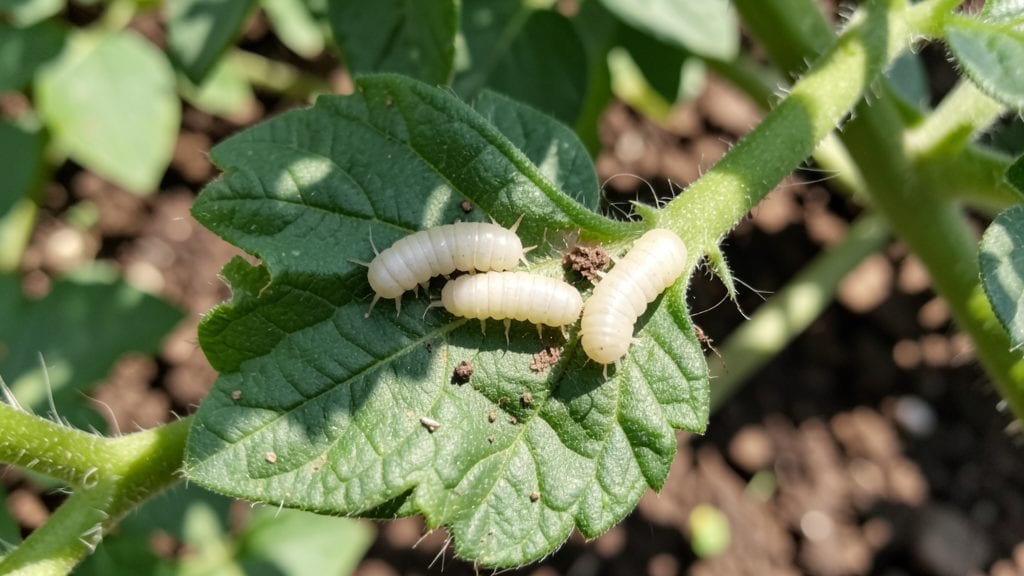
My tomato plants looked healthy until I found those telltale chewed stems and wilting leaves—turns out, grubs were feasting underground. 🌱 These underground pests can devastate your harvest in days if you don’t act fast, but I’ve tested solutions that stop them within 24 hours without harsh chemicals.
The problem starts when cutworm larvae or wireworms munch on roots and stems, leaving plants looking thirsty even when soil is damp.
Most gardeners panic and reach for pesticides, but the real fix lies in targeted organic defenses—like neem oil sprays, beneficial nematodes, or simple row covers—that work faster than you’d expect.
By tomorrow morning, you’ll see grubs retreat or die off, and your tomatoes will start recovering. The key is acting early: check for collapsed stems at soil level or tiny holes in roots, then apply treatments before the damage spreads.
This method works for both backyard gardens and container-grown tomatoes, and it keeps your soil healthy for future seasons. Let’s get those pests under control without sacrificing your harvest—or your peace of mind.
Root Causes of Tomato Plant Grubs
Understanding why tomato plants attract grubs—those tiny, destructive larvae—starts with recognizing the environmental and biological triggers that turn your garden into a buffet. Here’s a breakdown of the key reasons these pests invade your tomato plants, along with the science behind their behavior.
Grubs, often the larvae of beetles like the Japanese beetle or June bug, thrive in specific soil environments. If your tomato plants are struggling with grubs, your soil might be sending out the wrong signals:
- Rich, Moist Soil 💧 Grubs love organic-rich, well-drained soil because it provides the perfect breeding ground.
Compost-heavy or manure-amended soil (especially fresh manure) can attract beetles that lay eggs, which hatch into grubs. Actionable fix: Balance your soil with aged compost (at least 6 months old) and avoid over-fertilizing with nitrogen-heavy amendments.
- Compacted or Waterlogged Areas 🏗️ Grubs struggle in dry, rocky soil but flourish in compacted or soggy conditions because they can’t escape predators (like birds or beneficial nematodes).
Overwatering or heavy clay soil creates ideal hiding spots. Actionable fix: Improve drainage with sand or perlite and aerate the soil annually with a garden fork.
- Lack of Beneficial Microorganisms 🦠 Healthy soil teems with nematodes, fungi, and bacteria that naturally suppress grub populations.
If your soil is depleted (e.g., from pesticides or poor rotation), grubs have fewer checks on their growth. Actionable fix: Introduce beneficial nematodes (Heterorhabditis bacteriophora) or compost with mycorrhizal fungi to restore balance.
A stressed tomato plant is like a neon sign for grubs. These pests target plants that are already weakened, often due to:
- Over-Fertilization (Especially Nitrogen) 💥 While nitrogen promotes leafy growth, excessive nitrogen makes tomato plants soft and vulnerable. Grubs prefer tender roots, and overfed plants can’t mount a strong defense. Actionable fix: Use a balanced fertilizer (10-10-10 or 5-5-5) and avoid synthetic nitrogen spikes.
Foliar sprays with kelp or fish emulsion can strengthen plant resilience.
- Weak Root Systems from Poor Transplanting 🌿 Grubs are opportunistic feeders—they’ll target newly planted or root-bound tomato seedlings because the roots are tender and easy to penetrate. Actionable fix: Harden off seedlings before transplanting and avoid disturbing roots during planting.
Add mycorrhizal inoculant to the planting hole to boost root health.
- Diseased or Damaged Plants 🦠 Plants under blight, wilt, or fungal pressure (like early blight or verticillium wilt) produce chemical distress signals that attract grubs.
These pests may also feed on fallen leaves or fruit, which harbor pathogens. Actionable fix: Remove infected debris immediately and rotate crops to prevent soil-borne diseases from recurring.
Grubs don’t appear out of nowhere—they’re part of a predictable beetle lifecycle that aligns with tomato growing seasons:
- Adult Beetles Seek Tomatoes 🐞 Japanese beetles and June bugs are drawn to tomato plants in late spring/early summer (when flowers and fruit form).
Adults chew leaves and lay eggs in the soil, which hatch into grubs within 10–14 days. Actionable fix: Handpick adults during peak hours (early morning or late evening) and drop them in soapy water. Use row covers to block beetles before they lay eggs.
- Egg-Laying Hotspots 🥚 Beetles prefer to lay eggs in warm, undisturbed soil near host plants.
If your garden has bare patches of soil (e.g., between tomato rows), it’s a prime real estate for egg deposition. Actionable fix: Mulch heavily with straw or wood chips to deter egg-laying and confuse beetles.
- Grub Overwintering Habits ❄️ Some grub species (like European chafer larvae) overwinter in the soil and emerge in spring to attack new tomato roots.
If your garden had grubs last year, they’re likely still lurking in the top 4–6 inches of soil. Actionable fix: Solarize soil in late summer (cover with clear plastic for 4–6 weeks) to kill overwintering grubs.
Not all grub infestations are preventable—some are tied to broader ecological conditions:
- Warm, Humid Climates 🌡️ Grubs thrive in temperatures above 70°F (21°C) and high humidity. Regions with long, hot summers (like the Southeast U.S.) see worse infestations. Actionable fix: Plant grub-resistant tomato varieties (e.g., ‘Mountain Merit’ or ‘Celebrity’) and use reflective mulch to deter beetles.
- Nearby Grass or Lawns 🌿 Many grub species originate in lawns and migrate to vegetable gardens. If your tomato patch borders a grassy area, it’s a high-risk zone. Actionable fix: Create a bare soil barrier (sand or gravel) between lawns and garden beds to disrupt grub movement.
- Monoculture Planting 🌱 Growing only tomatoes year after year in the same spot exhausts soil defenses and signals grubs that it’s a reliable food source. Actionable fix: Practice 3–4 year crop rotation and interplant tomatoes with grub-repelling companions like marigolds, basil, or garlic.
Before treating, identify the damage:
- Symptoms: Wilting, yellowing, or stunted growth; roots chewed into a "net" (grubs leave behind a skeleton-like root structure).
- Signs: C-shaped white grubs (½–¾ inch long) in the soil when you dig near damaged roots.
- Timeframe: Grubs are most active late spring to early fall, aligning with beetle egg-hatching cycles.
Pro Tip: Dig up a small section of root near wilted plants—if you find grubs, act fast! 💡
Quick Fixes for Wormy Tomatoes
If your tomato plants are under siege by grubs—whether they’re hornworms, cutworms, or root maggots—don’t panic! These natural, fast-acting solutions will help you reclaim your garden in 24 hours or less.
Below, we’ve matched the most common causes to the best fixes, plus prevention tips to keep your plants thriving.
Signs: Large green caterpillars munching leaves, frass (black droppings) on foliage, or missing stems.
🔥 Immediate Action (10–30 Minutes)
- Handpick them! 👨🍳 Wearing gloves, pluck the worms off your plants and drop them into a bucket of soapy water. Pro tip: Do this in the early morning when they’re sluggish.
- Use a flashlight at night to spot cutworms hiding near the soil—crush or relocate them.
🌿 Natural Barriers (Same Day)
- Neem oil spray 🌿: Mix 1 tbsp neem oil + 1 tsp mild soap in 1 quart of water. Spray leaves (avoid blooms).
Reapply every 3–4 days. - Bacillus thuringiensis (Bt) 💊: A bacteria-based spray that kills caterpillars when ingested. Safe for bees and beneficial insects.
🎯 Prevention for Next Season
- Plant basil or marigolds near tomatoes—their scent repels pests.
- Encourage predators: Ladybugs, lacewings, and parasitic wasps love to eat hornworms. Plant dill or fennel to attract them.
Signs: Wilting plants, stunted growth, or small white maggots in damp soil near roots.
🔪 Emergency Soil Treatment (1–2 Hours)
- Flush the soil with a strong hose stream to dislodge maggots. Repeat 2–3 times over 24 hours.
- Diatomaceous earth (DE) 🏗️: Sprinkle food-grade DE around the base of plants (avoid overwatering after application). It dehydrates grubs on contact.
🌡️ Long-Term Soil Health (Ongoing)
- Compost tea or worm castings 💪: Boosts beneficial microbes that outcompete pests.
- Rotate crops and avoid planting tomatoes in the same spot yearly.
- Use row covers early in the season to block adult flies from laying eggs.
Signs: Holes in tomatoes, chewed stems, or webbing on fruit.
🥘 Rescue Mature Fruit (Same Day)
- Pick ripe tomatoes and store them indoors to prevent further damage.
- Cover young fruit with floating row covers or lightweight netting to block pests.
🌱 Strengthen Remaining Plants
- Prune heavily damaged leaves to redirect energy to fruit production.
- Fertilize with compost to help plants recover faster.
Set up yellow sticky traps near plants to monitor adult flies or moths. If you catch them, you’ll know where to focus your defenses!
Remember: The key to beating grubs is speed + consistency. Act fast, reinforce with natural barriers, and your tomato plants will bounce back stronger than ever! 🍅💪
Frequently asked questions about tomato plant grubs
What do tomato plant grubs actually look like?
Grubs are C-shaped, white or tan larvae about ½–¾ inch long with soft bodies and tiny legs. You’ll often find them buried in soil near roots, especially after digging up wilted plants. Look for their telltale chewed root networks that resemble tiny fishing nets.
How do I know if wilting tomato plants are from grubs or underwatering?
Check the soil first—if it’s moist but plants still wilt, grubs are likely the culprit. Dig near the stem: chewed roots or visible grubs confirm the problem. Underwatering causes dry soil and crispy leaves, while grubs leave roots looking skeletal or shredded.
Are there any fast-acting organic sprays for grubs?
Yes! Neem oil (mix 1 tbsp with 1 tsp soap per quart of water) or beneficial nematodes (like Heterorhabditis bacteriophora) work within 24–48 hours. For immediate relief, flush soil with water to dislodge grubs, then apply diatomaceous earth around the base. Reapply after rain.
Will grubs kill my tomato plants if I don’t treat them?
Severe infestations can starve roots completely, causing plants to collapse and die within 1–2 weeks if left untreated. Young seedlings are most vulnerable—grubs can sever stems at soil level, leaving them to flop over like cut flowers. Act fast to save your harvest!
Can I reuse soil that had grubs last year?
Only if you solarize the soil first: Cover it with clear plastic for 4–6 weeks in summer to bake out grubs. Alternatively, mix in compost with beneficial nematodes or plant in fresh soil. Grubs often overwinter, so prevention is key for next season’s tomatoes.