
Watering
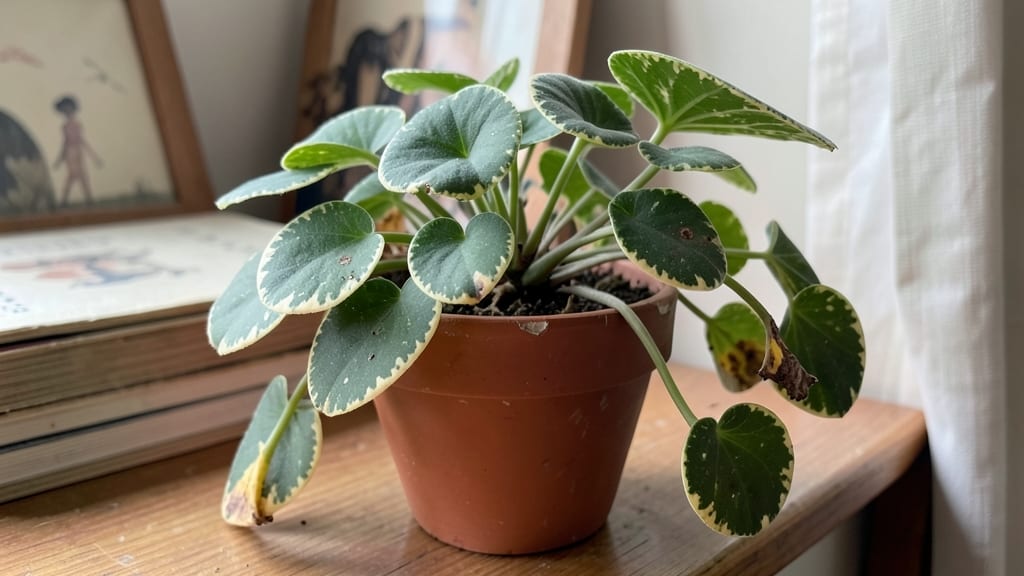
Caring for a water ivy plant means unlocking vines that climb like liquid green lace year after year. 🌿 I’ve learned the hard way that its success hinges on three simple trims—each serving a purpose at different times—and the right balance of light and moisture.
This isn’t a high-maintenance plant; it’s a forgiving one that rewards patience with glossy leaves and dramatic growth.
The key starts with bright, indirect light—too little and the vines stretch leggy, too much and they crisp at the edges. Water ivy thrives when the top inch of soil stays just slightly damp, but it’s tough enough to handle occasional neglect.
The real game-changer? Pruning. A light trim in spring encourages bushier growth, while summer and fall cuts keep it from becoming a tangled mess. Think of it like giving your plant a haircut—it grows back better every time.
By winter, you’ll notice the growth slows, but don’t panic—this is normal. Reduce watering slightly and keep it away from cold drafts, and it’ll bounce back in spring like nothing happened.
The result? A plant that stays lush, productive, and full of life no matter the season. Ready to see how it transforms your space?
Works equally well indoors near a sunny window or outdoors on a trellis, making it the ultimate adaptable houseplant. Here’s how to keep it thriving all year long.
📚 In This Guide
- What you need
- Instructions
- Tips and common mistakes
- Wrapping up and next steps
What you need
- ● Water Ivy Plant: A healthy, mature plant (1-3 feet tall) with at least 3-5 leaves for trimming.
- ● Well-Draining Potting Mix: 10-15 lbs of a high-quality, aerated mix (e.g., 50% peat/coir, 30% perlite/pumice, 20% orchid bark).
- ● Pot with Drainage Holes: A container 2-4 inches larger in diameter than the current pot, depending on plant size.
- ● Pruning Shears or Sharp Scissors: Clean, sterilized tools to make precise cuts (avoid dull blades!).
- ● Distilled or Room-Temperature Water: 1-2 gallons for watering and propagation.
- ○ Grow Lights (Optional for Low-Light Areas):strong> A full-spectrum LED grow light (e.g., 10,000-20,000 lux) for 12-14 hours/day.
- ● Rooting Hormone: A small bottle to boost propagation success (e.g., Clonex or similar).
- ● Humidity Dome or Tray: To maintain 60-80% humidity for new cuttings.
- ● Moss or Coco Coir: For wrapping cuttings during propagation.
- ● Fertilizer: A balanced liquid fertilizer (e.g., 20-20-20) or slow-release pellets.
- ● Support Stakes or Trellis: To train vines as your plant grows.
Instructions for keeping your water ivy plant lush year-round
Here's how to keep your water ivy thriving with simple, seasonal care.
💧 Step 1: Master Watering for Healthy Growth
Water ivy loves moisture but hates soggy roots. Let the top 1-2 inches of soil dry out between waterings—stick your finger in to check. In summer, this might mean watering every 5-7 days, while winter slows growth, so water every 10-14 days. Overwatering causes yellow leaves, so always use a pot with drainage holes.
When watering, soak the soil until water runs out the drainage hole. Empty the saucer afterward to prevent root rot. You'll notice the plant's thick, glossy leaves perk up within a day of proper watering—that's your sign you've got it right.
☀️ Step 2: Position for Bright, Indirect Light
Water ivy thrives in bright, indirect light—think east-facing windows or 3 feet from a south window. Direct sun scorches its leaves, while dim light makes growth slow and leggy. Rotate the pot quarter-turn weekly so all sides get even light exposure.
If leaves start stretching toward the light, it's too dim. Move closer to the window or supplement with a grow light 12-18 inches away for 12-14 hours daily. You'll see new growth filling out within a few weeks of proper lighting.
✂️ Step 3: Trim for Bushier Growth and Control Size
Trim water ivy 3 times a year—spring, summer, and fall—to encourage bushiness. Snip just above a leaf node (where leaves grow) with clean scissors. This prevents leggy growth and keeps the plant compact. For a fuller look, pinch back the tips of new growth when they reach 4-6 inches.
If your plant gets too large, take 4-6 inch cuttings to propagate. Dip in rooting hormone, place in water, and within 2-3 weeks, you'll see roots forming. This is how I keep my collection growing without spending a dime.
🌿 Step 4: Fertilize for Vibrant Foliage
Feed your water ivy every 4-6 weeks during spring and summer with a balanced liquid fertilizer (10-10-10). Dilute to half-strength to avoid burning roots. In fall and winter, skip fertilizing—your plant enters a natural resting phase. You'll notice richer green leaves and faster growth after fertilizing.
If leaves yellow between veins, it's a sign of over-fertilizing. Flush the soil with water to rinse out excess salts. Always water before fertilizing to prevent root burn.
⏰ Step 5: Adjust Care for Seasonal Changes
In summer, increase humidity by misting leaves or placing the pot on a tray of pebbles and water. Watch for pests like spider mites—wipe leaves with a damp cloth weekly to prevent infestations. In winter, reduce watering and keep the plant away from cold drafts.
Your water ivy will reward you with glossy, trailing vines if you adjust care with the seasons. The key is consistency—stick to this routine, and you'll have a lush, year-round plant that's the envy of any room.
Tips & tricks for perfect water ivy plant care
Keeping your water ivy thriving takes just a few key adjustments that make all the difference. Here's what I've learned from years of growing these lush plants.
The Finger Test: When checking soil moisture in Step 1, push your finger about 1-2 inches deep. If it feels dry but not bone-dry, that's perfect. Water ivy roots need consistent moisture but hate sitting in wet soil. I've ruined plants by overwatering—trust me, the leaves will tell you when you've gone too far with yellowing or drooping.
Light Rotation Strategy: In Step 2, that quarter-turn weekly rotation isn't just about even light—it's also how you spot problems early. If one side grows faster than others, you might have a light imbalance. I keep a small mirror near my plants to bounce extra light onto shaded areas during winter months when natural light is scarce.
Trimming Timing: The 3 trims per year in Step 3 work best when timed with growth spurts. After your spring trim, you'll see new growth within 3-4 weeks. This is when I do my second trim—pinching back those 4-6 inch stems encourages bushier growth. Fall trimming helps prepare the plant for its winter rest period.
Fertilizer Safety: For Step 4, that half-strength dilution is non-negotiable. I learned this the hard way when my plant's leaves turned yellow between veins after over-fertilizing. Always mix your fertilizer in a separate container first, then add to water. This prevents accidental over-concentration that can burn delicate roots.
Pro Tips for Water Ivy Plant
- Keeping your water ivy thriving takes just a few key adjustments that make all the difference.
- The Finger Test: When checking soil moisture in Step 1, push your finger about 1-2 inches deep.
- Light Rotation Strategy: In Step 2, that quarter-turn weekly rotation isn't just about even light—it's also how you spot problems early.
Frequently asked questions
Got questions about keeping your water ivy (Monstera deliciosa) happy and lush?
Here are answers to the most common ones—so you can troubleshoot like a pro and avoid brown edges or leggy growth!
How often should I water my water ivy plant?
Water your water ivy when the top 1–2 inches of soil feel dry. Overwatering is the #1 killer—stick your finger in the soil to check! In summer, it may need water every 5–7 days, while winter slows it down to every 2–3 weeks. Always use a pot with drainage holes!
Why is my water ivy drooping?
Drooping usually means overwatering or underwatering. Check the soil first—if it’s soggy, let it dry out. If it’s bone-dry, give it a deep drink. Low humidity or root-bound plants can also cause this. Move it to a bright, indirect spot and mist the leaves occasionally!
Can I propagate water ivy in water?
Water ivy thrives in water propagation. Snip a stem with an air node (the bump where roots grow), place it in a jar of water, and change the water every 1–2 weeks. Roots should appear in 2–4 weeks. Once rooted, transplant to soil when stems are 3–4 inches long.
Is water ivy toxic to pets?
Yes, water ivy is toxic to cats and dogs if ingested. It contains insoluble calcium oxalates, which can cause mouth irritation, drooling, or vomiting. Keep it out of reach or opt for pet-safe plants like parlor palms or Boston ferns if you have furry friends!
Why are my water ivy leaves turning yellow?
Yellow leaves usually signal overwatering or poor drainage. Let the soil dry out completely between waterings. If the yellowing is older leaves, it’s natural aging—but if it’s new growth, check for root rot or nutrient deficiencies. Trim affected leaves and repot if the roots smell funky!
Wrapping up and next steps
Caring for your water ivy plant is a rewarding journey that keeps it lush and vibrant year-round—especially with those three essential trims! Remember, the key lies in balancing pruning for health, encouraging fuller growth, and keeping pests at bay.
With the right tools, timing, and technique, your plant will thrive like a pro. 🌿
Ready to take the next step? Grab your shears, pick a sunny day, and give your water ivy the TLC it deserves! Happy trimming—and enjoy that gorgeous, cascading beauty! 🌟