
Watering
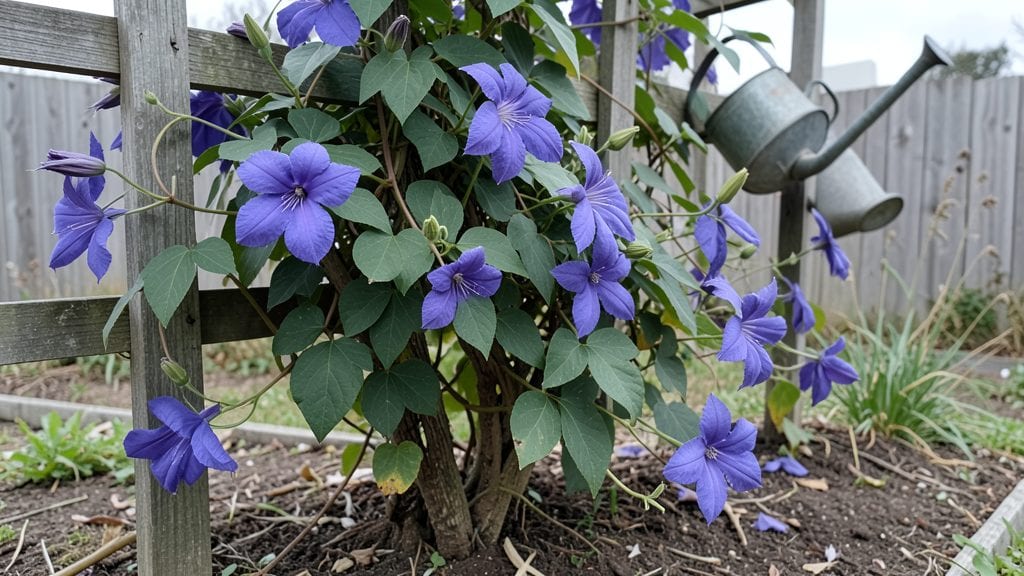
Watering clematis plants is the game-changer between a vibrant, repeat-blooming vine and one that fades fast — and the difference starts with how deep and how often you water.
Struggling to keep your clematis blooming vibrantly? The secret lies in mastering the art of watering—too much or too little, and those stunning flowers won’t last. Discover the exact watering routine that transforms your clematis into a long-flowering powerhouse, even in drought-prone conditions.
Clematis thrives on consistent moisture but hates soggy roots, which is why most gardeners either drown their vines or leave them thirsty. The key isn’t just frequency—it’s deep, targeted watering that keeps roots happy without wasting a drop.
Below, I’ll break down the seasonal watering schedule that works for USDA Zone 6a, how to spot over- or underwatering, and the simple tricks (like mulching and morning watering) that save time and keep your clematis 🌸 blooming all season.
Optimal watering schedule for clematis by season and growth stage
Clematis thrives when you match its watering needs to the season and growth stage. Unlike many plants, clematis roots run deep, so consistent moisture at the base is key—never wetting the foliage. The biggest mistake I see?
Overwatering young plants or letting established vines dry out during blooming season. Let’s break it down by stage and season so you can keep those flowers vibrant all year.
Newly planted clematis (first year) need the most attention. Their roots are still establishing, so aim for 1-2 inches of soil moisture at all times. Use your finger to check—if the top 2 inches feel dry, it’s time to water.
For established vines (years 2+), deep watering every 7-14 days works wonders, especially in summer heat. The goal? Encourage deep root growth while avoiding soggy soil.
Here’s your seasonal watering cheat sheet for clematis, tailored to growth stages and drought tolerance. Remember: Group 1 (early bloomers like 'Jackmanii') and Group 3 (late bloomers like 'Niobe') have slightly different needs during peak bloom.
🌸
Spring is all about root establishment and pre-bloom prep. For new clematis plants, water weekly to keep the soil consistently moist but never soggy.
I like to use a soaker hose or drip irrigation to deliver water directly to the roots, which cuts down on evaporation and fungal risks.
If you’re growing Group 1 clematis (early bloomers), they’ll start pushing buds in late spring—this is when you can ease up slightly to every 10 days if rainfall is steady.
Summer is peak blooming season, especially for Group 2 (like 'Perle d'Azur') and Group 3 varieties. Here, deep watering every 7-10 days is non-negotiable. I’ve seen clematis wilt dramatically in heatwaves, but a good deep soak in the morning revives them within hours.
Pro tip: Mulch heavily (3-4 inches of organic mulch) to retain moisture and cool roots. If you’re in a drought-prone area, opt
Signs of overwatering vs. underwatering clematis (and how to fix it)
Clematis thrives on consistency, but watering mistakes can turn those lush vines into sad, wilted shadows in no time. The key is recognizing the subtle signs—yellowing leaves might mean overwatering, while crispy foliage screams underwatering.
Let’s decode the visual clues so you can rescue your clematis before it’s too late.
First, check the soil moisture 2-3 inches deep. Stick your finger in—if it’s soggy, you’re overdoing it. If it’s bone-dry, your plant is begging for hydration. The roots need oxygen, and either extreme suffocates them. I’ve seen clematis recover from both, but speed matters.
⚠️ Watering Clematis: Pros & Cons
- Water deeply 1-2x/week
- Avoid wetting foliage (prevents mildew)
- Use morning watering (reduces evaporation)
- Check soil moisture before watering
- Let soil stay waterlogged (root rot risk)
- Water shallowly (encourages weak roots)
- Ignore yellow leaves (early warning sign)
- Use hard water (builds up salts)
When overwatered, clematis leaves turn yellow (especially older ones) and feel mushy. The stems may appear soft or develop black spots—a sure sign of root rot. I’ve pulled up plants with roots smelling like rotten eggs; that’s your cue to act fast.
Reduce watering immediately and improve drainage by adding perlite or sand to the soil.
Underwatered clematis shows crispy edges on leaves and may drop buds before blooming. The vines grow stiff and brittle, almost like they’re reaching for water. To fix this, give your plant a deep soak (1-2 gallons per plant) and mulch around the base to retain moisture.
I’ve revived underwatered clematis in just 3-5 days with consistent hydration.
One common mistake? Watering at night. Wet foliage invites fungal diseases like powdery mildew, which clematis hates. Always water at the base in the morning. Also, avoid inconsistent moisture—clematis roots need steady hydration, not feast-or-famine cycles.
Stick to a schedule, and your vines will reward you with nonstop blooms all season.
Pro tip: Group clematis with companion plants like hostas or ferns—they share similar water needs and help regulate soil moisture. And if your clematis is potted, upgrade to a container with drainage holes; plastic pots trap moisture and accelerate rot.
With these fixes, your clematis will bounce back in no time!