
Trees
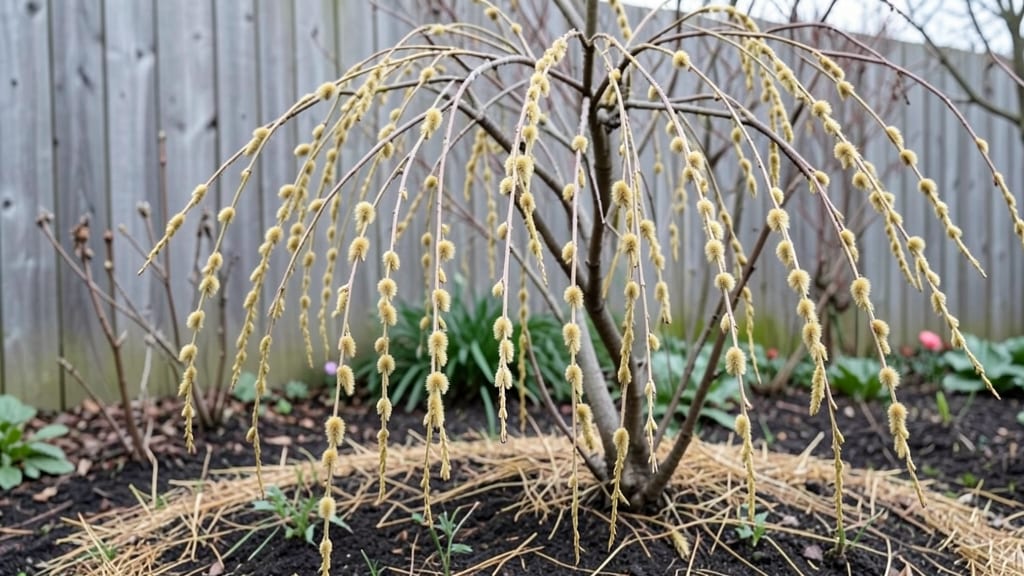
Weeping pussy willow plants turn winter gardens into soft, silvery clouds with their cascading branches. 🌿 I planted mine last spring near a small pond, and now it’s the first thing visitors notice—those fuzzy catkins appear in late winter, long before most spring blooms.
The secret to their dramatic display is simple: give them plenty of moisture and space to spread.
These willows thrive in wet soil or even standing water, making them perfect for rain gardens or container setups near ponds. A spot with full sun to partial shade works best, and they’re happy in zones 4 through 8.
Pruning is minimal—just shape them in early spring before new growth starts, and you’ll keep those graceful branches flowing like a living fountain.
By summer, the catkins fade into fresh green leaves, but the structure remains stunning. The willow’s tolerance for soggy conditions means less work for you—just avoid heavy clay soil, which can suffocate roots.
With proper care, your plant will reward you with years of early-season drama and a habitat for birds and bees.
Even in containers, this willow stays manageable if you choose a large enough pot—think 15+ gallons for a mature plant. The key is patience: it takes 2-3 years for the cascading habit to fully develop, but the wait is worth it for that dreamy, ethereal look. Ready to grow yours?
📚 In This Guide
- What you need
- Instructions
- Tips and common mistakes
- Wrapping up and next steps
What you need
- ● Weeping pussy willow plant: 1 bare-root or container-grown sapling (3–5 feet tall, ideally 1–2 years old). Look for healthy, flexible branches with vibrant green leaves.
- ● Well-draining soil: 5–10 gallons of a mix of: 60% topsoil (or garden soil)
- ● 30% compost (for nutrients)
- ● 10% perlite or coarse sand (to prevent waterlogging)
- ○ Container (optional but handy): For potted growth: A 5-gallon or larger container with drainage holes (minimum 12–18 inches deep). Terracotta or fabric pots work best.
- ● For ground planting: A hole twice as wide as the root ball.
- ● Mulch: 2–3 inches of wood chips, straw, or shredded bark to retain moisture and regulate soil temperature.
- ● Watering can or hose: With a gentle spray nozzle for hydration without damaging delicate branches.
- ● Pruning shears: Sharp, sterilized shears (for trimming in late winter/early spring).
- ○ Fertilizer (optional): Balanced 10-10-10 granular fertilizer (1 tbsp per year of plant age, applied in early spring).
- ● OR slow-release organic fertilizer (like fish emulsion or compost tea).
- ● Support structure: A small trellis or decorative arch (if training branches to climb or cascade elegantly).
- ● Epsom salt: 1 tbsp dissolved in water (monthly spray for lush foliage and vibrant catkins).
- ● Pest control: Neem oil or insecticidal soap (to combat aphids or spider mites).
- ● Garden gloves: For protection while handling soil or pruning.
Step-by-step guide to growing a thriving weeping pussy willow
Here’s how to coax those graceful, fuzzy catkins into your garden—no green thumb required.
🌱 Step 1: Select and Prepare the Right Planting Site
Weeping pussy willows (Salix caprea ‘Pendula’) crave full sun to partial shade—at least 6 hours of sunlight daily—but tolerate moist, well-drained soil. I always plant mine near a pond or stream edge, where roots can access plenty of water but won’t drown. If your soil drains poorly, mix in 2 inches of coarse sand or 3 gallons of perlite into the planting hole to improve aeration.
Dig a hole twice as wide as the root ball but only as deep as the container’s base. This prevents burying the stem too deep, which can rot. Gently loosen the roots if they’re circling the pot—just tease them apart with your fingers. Here’s the thing: waterlogged soil is their #1 enemy, so if your yard floods easily, plant on a slight mound.
☀️ Step 2: Plant and Stake for Support
Place the willow in the hole, backfill with native soil, and tamp lightly to remove air pockets. Weeping varieties grow 10-15 feet tall but need support until established. Drive two 6-foot stakes into the ground 12 inches from the trunk, then secure the plant with soft garden ties (never wire—it cuts into bark). The goal is to let the branches weep naturally but prevent wind damage.
Water deeply right after planting—soak the soil until it’s 6 inches down, then let it drain completely. Mulch with 3 inches of shredded bark to retain moisture and suppress weeds. Avoid piling mulch against the trunk, though; keep it 3 inches away to prevent rot. You’ll know you’ve done it right when the soil stays evenly moist but not soggy for the first few weeks.
💧 Step 3: Water and Fertilize for Lush Growth
Young willows need 1-2 inches of water weekly during their first growing season. I check moisture by sticking my finger 2 inches into the soil—if it’s dry, it’s time to water. Overhead watering can spread fungal diseases, so use a soaker hose or drip irrigation instead. Once established, they’re drought-tolerant but bloom best with consistent moisture.
Fertilize once in early spring with 10-10-10 granular fertilizer (use ½ cup per plant). Scatter it evenly over the root zone, then water deeply to activate. Skip fall fertilization—willows go dormant in winter, and extra nutrients can encourage weak growth. You’ll see new shoots by late spring, and those fuzzy catkins will appear in early spring, even before leaves emerge.
✂️ Step 4: Prune for Shape and Health
Prune right after flowering (late spring) to shape the plant and encourage dense growth. Remove dead or crossing branches first, then trim back any leggy stems by ⅓ of their length. Use clean, sharp pruners to make cuts just above a leaf node. Avoid heavy pruning in fall—willows bleed sap, and winter cuts can stress the plant.
If your willow grows too wide, you can thin out some branches to improve airflow, but never remove more than 20% of the foliage in one season. Here’s a pro tip: Prune in stages if the plant is large—spread cuts over 2-3 years to avoid shock. You’ll know your pruning worked when the remaining branches fill out with vibrant green leaves and plenty of fuzzy catkins the next year.
⏰ Step 5: Protect in Winter and Enjoy Year-Round
Weeping willows handle cold well, but young plants may need wrapping in burlap if your winters dip below -10°F. Older trees usually survive fine, but a thick layer of 4-6 inches of mulch around the base helps insulate roots. I never prune in winter—wait until late winter or early spring when new growth is just starting to appear.
The best part? These plants bloom before leaves emerge, creating a soft, golden cascade that lasts 3-4 weeks. For extra drama, plant near a mirror or reflective surface—the weeping branches create stunning reflections. Just remember: Patience is key. It takes 2-3 years for a young willow to reach its full, lush potential, but the wait is worth every fuzzy catkin.
Tips & tricks for perfect weeping pussy willow plant care
Growing weeping pussy willows is easier than you think—once you know these key tricks that make all the difference.
Sunlight Strategy: Those 6 hours of sunlight are non-negotiable for the best fuzzy catkins, but here's the thing: morning sun is more important than afternoon. I plant mine to catch the brightest morning rays, which helps prevent wilting in hot afternoons. If your yard has afternoon shade, that's actually perfect for preventing leaf scorch during summer heatwaves.
Root Zone Rescue: Waterlogged soil is the silent killer of pussy willows, so if your yard floods easily, create a slight mound when planting. I always test drainage by digging a hole and filling it with water—if it doesn't drain within 2 hours, I know I need to amend the soil with that 2 inches of coarse sand. This simple test saves plants from root rot every time.
Staking Secret: The two 6-foot stakes should be placed at a 45-degree angle, not straight up and down. This creates a more stable triangle shape that better supports the weeping branches. I also recommend using soft garden ties rather than wire—they won't cut into the bark as the plant grows. Pro tip: Loosen the ties every few months so they don't strangle the trunk as it thickens.
Winter Protection: For those -10°F winters, I've found that wrapping young plants in burlap works best when you leave the top open like a tent. This protects the most vulnerable lower branches while allowing airflow to prevent moisture buildup. Older trees don't need wrapping, but that 4-6 inches of mulch around the base is non-negotiable—it's like putting a cozy blanket on your plant's roots.
Pro Tips for Weeping Pussy Willow Plant
- Growing weeping pussy willows is easier than you think—once you know these key tricks that make all the difference.
- Sunlight Strategy: Those 6 hours of sunlight are non-negotiable for the best fuzzy catkins, but here's the thing: morning sun is more important than afternoon.
- Root Zone Rescue: Waterlogged soil is the silent killer of pussy willows, so if your yard floods easily, create a slight mound when planting.
Frequently asked questions
Got questions about keeping your weeping pussy willow thriving? You’re not alone! Here are answers to the most common queries—from care tips to troubleshooting—so you can enjoy that dreamy, cascading beauty all year long.
When is the best time to plant a weeping pussy willow?
The ideal time to plant is early spring or fall, when temperatures are mild and the soil is workable. This gives roots time to establish before extreme heat or cold. Avoid planting in summer’s scorching heat or winter’s frost, as both can stress young plants. If you must plant in summer, water deeply daily for the first 2 weeks!
Why aren’t my pussy willow catkins growing?
Catkins may skip a season due to stress, poor nutrition, or dormancy. Check these fixes:
- Light: Ensure it gets full sun (6+ hours/day)—partial shade can stunt growth.
- Water: Keep soil consistently moist (not soggy) during active growth.
- Fertilizer: Apply a balanced 10-10-10 fertilizer in early spring to boost vigor.
- Patience: Willows are dormant in winter; catkins may appear late in spring.
Can I grow a weeping pussy willow in a container?
Yes! Choose a large pot (15+ gallons) with drainage holes and use well-draining potting mix. Place it in full sun and water frequently—containers dry out faster. Repot every 2–3 years to refresh soil. For a smaller look, prune regularly to control height. Just remember: container willows need winter protection (move indoors or wrap the pot in burlap).
What’s a good alternative if I can’t grow a pussy willow?
If your climate is too harsh or space is limited, try these catkin-loving alternatives:
- Pussy willow hybrids: Salix caprea ‘Pendula’ (dwarf varieties) or Salix babylonica (weeping willow).
- Non-willow options: Cornus sericea ‘Kelseyi’ (red-twig dogwood) or Hamamelis virginiana (witch hazel) for winter interest.
- Ornamental grasses: Miscanthus sinensis ‘Gracillimus’ mimics soft, swaying movement.
Why are my willow leaves turning yellow?
Yellow leaves usually signal overwatering, nutrient deficiency, or disease. Try this:
- Check soil: If soggy, reduce watering and improve drainage.
- Test for pests: Look for aphids or spider mites on undersides of leaves.
- Fertilize: A low-nitrogen fertilizer (like 5-10-10) can help if yellowing is widespread.
- Prune: Remove severely affected leaves to prevent spread.
Wrapping up and next steps
The weeping pussy willow is more than just a pretty plant—it’s a year-round showstopper that brings life, texture, and a touch of whimsy to any garden or landscape.
Whether you’re drawn to its delicate catkins, ease of care, or versatility, this tree is a fantastic choice for adding charm and movement to your outdoor space. 🌿
Ready to bring home your own? Start by choosing the perfect spot—whether in a container, along a fence, or as a standalone focal point—and gather your supplies. With a little patience and love, you’ll soon be enjoying its cascading beauty for seasons to come!