
Plants
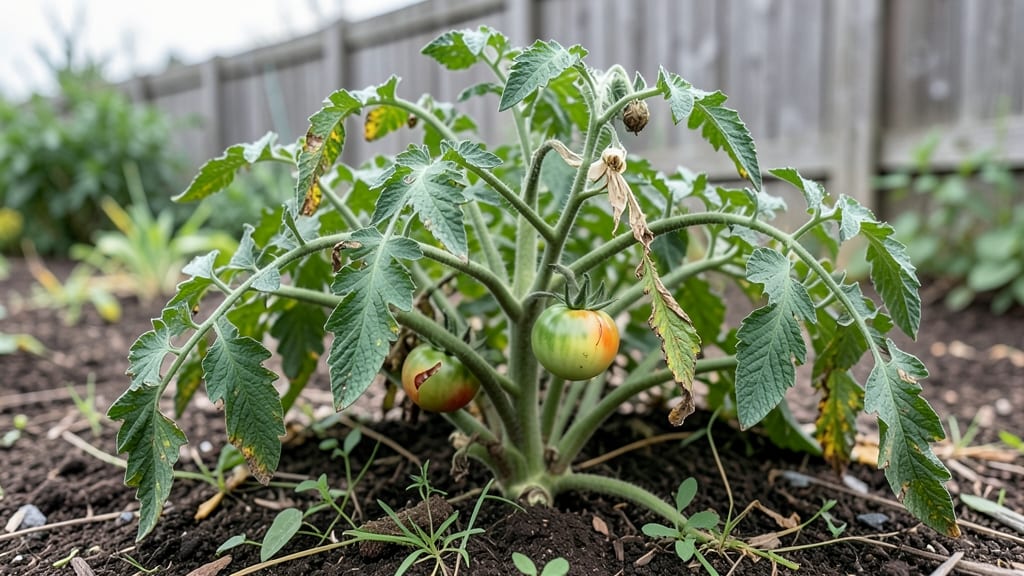
That wilt in plant you’re seeing isn’t a death sentence—it’s just begging for a quick hydration and light tweak. 🌱 I’ve revived more plants than I’ve lost, and the fix is often simpler than you’d expect: too much or too little water. light that’s either too harsh or too weak, or even hidden pests sapping energy.
The good news? Most wilting is reversible with a few targeted adjustments.
Start by checking the soil—if it’s bone-dry two inches down, give it a deep drink. If it’s soggy, let it dry out before watering again. Then, assess the light: too much sun scorches leaves, while too little weakens stems.
Move your plant to a spot with bright, indirect light, and watch for improvement within 24-48 hours. Pests or disease? Isolate the plant and inspect the undersides of leaves for tiny invaders.
Within a week, you’ll see those limp stems perk up and leaves regain their vibrant green. The key is acting fast—wilting is your plant’s way of saying, “I need help now!”
Prune any severely damaged foliage to redirect energy, and consider a mild organic spray if pests are to blame. This isn’t just about saving a plant; it’s about learning its language.
Prevention is easier than revival: water consistently, rotate plants for even light exposure, and keep an eye out for early signs of stress. If the wilting persists after a week of adjustments, it might be time to consult a local nursery pro—they’ve seen it all.
But in most cases, you’ve got this!
Root Causes of Plant Wilting
Understanding why your plants suddenly droop or wilt is the first step to revival. Wilting is often a cry for help—your plant’s way of signaling stress. Let’s break down the most common scientific triggers behind this issue, so you can diagnose and fix it fast.
Wilting can be counterintuitive when it comes to water—too much is just as harmful as too little. When soil stays soggy, roots suffocate and struggle to absorb oxygen and nutrients. This leads to root rot, where fungi or bacteria attack the roots, cutting off water and nutrient flow.
How it happens:
- Compacted or heavy soil (like clay) holds excess moisture, suffocating roots.
- No drainage holes in pots trap water, drowning the plant.
- Overzealous watering without checking soil moisture—stick your finger in! If the top 1-2 inches are damp, wait.
Actionable fix:
- Use well-draining soil mixes (add perlite or sand).
- Repot in containers with drainage holes.
- Let the topsoil dry out between waterings—never let plants sit in saucers of water.
Plants wilt when they’re suddenly exposed to too much light (like moving a shade-loving fern into direct sun) or not enough light (like a sun-seeker languishing in a dark corner). Both scenarios disrupt photosynthesis, causing cells to lose turgor pressure (the "plumpness" that keeps stems rigid).
How it happens:
- Sunburn (brown, crispy leaf edges) or heat stress (leaves curling inward) from intense afternoon sun.
- Leggy, weak stems from insufficient light, leading to collapse under their own weight.
- Fluorescent light deprivation (common for indoor plants) weakens stems over time.
Actionable fix:
- Gradually acclimate plants to brighter spots (harden them off).
- Rotate pots weekly to ensure even light exposure.
- Use sheer curtains to filter harsh midday sun for sensitive species.
Plants are sensitive to temperature swings. Cold drafts, heatwaves, or sudden drops (like moving a tropical plant outside in winter) can cause osmotic shock, where cells lose water rapidly. This is especially true for tropical plants, which wilt dramatically when stressed.
How it happens:
- Cold drafts (AC vents, open windows) chill roots or leaves, slowing metabolic processes.
- Heat stress (above 90°F/32°C) causes stomata (leaf pores) to close, halting water uptake.
- Frost damage (even light freezes) ruptures cell membranes, leading to irreversible wilting.
Actionable fix:
- Keep plants away from drafts, vents, or radiators.
- Use grow lights in winter to supplement weak sunlight.
- Acclimate gradually before moving plants outdoors (e.g., start with 1 hour/day in spring).
Wilting can also stem from imbalanced soil chemistry. Too much salt (from tap water or fertilizers), lack of potassium (critical for water regulation), or magnesium deficiency (chlorosis in leaves) disrupt cellular function, causing wilting.
How it happens:
- Over-fertilizing (especially with synthetic salts) burns roots, preventing water absorption.
- Potassium deficiency (wilting + yellowing leaf edges) weakens cell walls.
- Calcium or magnesium shortages lead to weak cell structures that can’t hold water.
Actionable fix:
- Flush soil with distilled or rainwater to remove excess salts.
- Test soil pH (ideal: 6.0–7.0 for most plants) and amend with lime (raise pH) or sulfur (lower pH).
- Use balanced, organic fertilizers (like fish emulsion) for gradual nutrient release.
Hidden invaders like aphids, spider mites, or fungal pathogens (e.g., powdery mildew) sap a plant’s vitality. They clog stomata, disrupt water transport, or feed on sap, leading to sudden wilting—even in well-watered plants.
How it happens:
- Sap-sucking pests (aphids, whiteflies) inject toxins that cause wilting.
- Root-feeding grubs (like fungus gnats) destroy root systems overnight.
- Fungal infections (e.g., verticillium wilt) block xylem vessels, starving leaves of water.
Actionable fix:
- Inspect leaves/roots for pests or fungal spots (yellowing, black streaks).
- Neem oil spray or insecticidal soap for pests; copper fungicides for disease.
- Repot in sterile soil if root rot or pests are confirmed.
On hot, windy days, plants lose water faster than roots can replace it—leading to temporary wilting. This is normal for succulents or desert plants but can be fatal for tropical varieties if unchecked.
How it happens:
- High humidity + heat increases transpiration (water loss through leaves).
- Wind or dry air (from HVAC) accelerates moisture escape.
- Small or shallow root systems can’t keep up with demand.
Actionable fix:
- Mist leaves (for tropical plants) or group plants together to raise humidity.
- Use a pebble tray under pots to add moisture to the air.
- Water deeply in the morning to replenish overnight losses.
Pro Tip: 💡 The "Finger Test" works for most wilting issues—stick your finger 1–2 inches into the soil. If it’s dry, water; if it’s soggy, hold off. Combine this with checking leaves for pests or discoloration to narrow down the cause.
Reviving Drooping Plants Fast
When your leafy friends start looking sad and limp, don’t panic—most wilting is reversible with the right care! Below, we’ll break down practical fixes for the most common causes, from overwatering to sunlight stress, plus prevention tips to keep your plants perky.
Think of this as your green thumb’s emergency guidebook.
Signs: Yellowing leaves, mushy stems, foul-smelling soil, or plants that wilt even after watering.
How to Revive:
- 🚰 Stop Watering Immediately
- Let the soil dry out completely before watering again. Stick your finger 1–2 inches deep—if it’s damp, wait.
- 🌱 Trim the Damage
- Use sterilized scissors to snip off blackened, mushy roots and yellow/brown leaves. Healthy roots are firm and white.
- 🏺 Repot in Fresh Soil
- Choose a well-draining pot (terracotta or one with drainage holes) and a light, airy potting mix (add perlite or orchid bark if needed).
- Pro Tip: 💡 If repotting isn’t an option, scoop out the soggy center soil and replace it with dry mix.
- ⏳ Monitor Recovery
- Place the plant in bright, indirect light (no direct sun yet!) and water sparingly—only when the top inch of soil is dry.
Prevent It:
- Water only when the top 1–2 inches of soil are dry (varies by plant—succulents need less, ferns more).
- Use pots with drainage holes—no exceptions!
- Check humidity: Overwatered plants in dry air (like indoor heating) suffer more. Use a pebble tray or humidifier.
Signs: Crispy, white/brown leaf edges (sunburn) or leggy, pale stems with small leaves (underlight).
How to Revive:
- 🌿 Adjust Light Gradually
- Sunburn? Move to bright, indirect light (east-facing windows or a sheer curtain filter). Avoid harsh midday sun for 1–2 weeks.
- Leggy/weak? Gradually introduce more light (start with 2–3 hours/day, then increase). A grow light (12–16 hours/day) works for severe cases.
- 🍃 Prune for Balance
- Trim overly long stems to encourage bushier growth. Cut just above a leaf node (where leaves grow).
- 💧 Hydrate & Fertilize Lightly
- Water deeply but reduce fertilizer (weak plants can’t handle nutrients). Wait 2–3 weeks before resuming feedings.
Prevent It:
- Know your plant’s light needs—snake plants thrive in low light; succulents need full sun.
- Rotate pots weekly so all sides get even light.
- Watch for drafts—cold windows or AC vents can stress plants.
Signs: Sudden wilting, leaf drop, or brown patches (especially near edges).
How to Revive:
- 🏡 Move to a Stable Spot
- Keep plants away from drafts (AC, heaters, open windows) and extreme temps (below 50°F or above 90°F).
- Ideal range: 60–75°F for most houseplants.
- 🌬️ Increase Humidity
- Mist leaves gently (avoid soggy soil) or place a humidifier nearby. Group plants together to create a microclimate.
- 🍃 Wipe Dusty Leaves
- Dust blocks pores! Use a damp cloth to clean leaves weekly.
Prevent It:
- Avoid placing plants near vents or doors.
- Use a thermometer to monitor room temps—some plants (like calatheas) hate dry heat.
- Group tropical plants to boost humidity naturally.
Signs: Sticky leaves, tiny bugs (aphids, spider mites), or chewed edges.
How to Revive:
- 🔍 Identify & Remove Pests
- Spider mites? Wipe leaves with soapy water (1 tsp mild soap per quart of water) or spray with neem oil (1 tsp oil + 1 tsp soap per quart).
- Aphids? Blast off with water or dab with rubbing alcohol-soaked cotton.
- Mealybugs? Scrape off with a cotton swab dipped in alcohol.
- 🌱 Isolate & Inspect
- Move the plant away from others to prevent spread. Check undersides of leaves and stems.
- 💪 Boost Plant Health
- Fertilize lightly (weak plants attract pests). Use a balanced liquid fertilizer (like 10-10-10) every 4–6 weeks.
Prevent It:
- Quarantine new plants for 2 weeks before introducing them to your collection.
- Inspect leaves weekly—early detection = easier fixes!
- Encourage beneficial insects (like ladybugs) by planting herbs or flowers outside.
For any wilting plant, follow this quick reset:
- Check soil moisture—water only if dry.
- Inspect leaves/stems for pests, burns, or rot.
- Adjust light/temp to match the plant’s needs.
- Prune dead growth to redirect energy.
- Be patient—some plants take 1–2 weeks to bounce back!
Pro Tip: 🎯 Not all wilting is fixable—if the stems are completely mushy or roots are 90% rotten, it may be time to say goodbye. But for most cases? Your plant can make a comeback!
Frequently asked questions
Why does my plant suddenly wilt even when the soil feels moist?
This is often a sign of root rot or overwatering. When roots suffocate from excess moisture, they can't absorb water efficiently, causing wilting. Check for mushy stems or foul-smelling soil—these are red flags. Let the soil dry completely before watering again, and repot in well-draining mix with perlite.
Can a wilted plant recover if the leaves are completely limp and drooping?
Many plants can bounce back if the wilting isn't caused by severe damage! Start by checking soil moisture—wilting from thirst is often reversible within 24-48 hours with proper hydration. For heat-stressed plants, move them to shade and mist leaves. If roots are healthy, most varieties (like pothos or spider plants) will perk up quickly.
How can I tell if my plant needs more light or less?
Look for these clues: Leggy, pale stems or small leaves mean it needs more light, while brown, crispy edges or curled leaves signal too much sun. For indoor plants, rotate them weekly to ensure even exposure. East-facing windows provide gentle light, while west/south windows may need sheer curtains to filter harsh afternoon rays.
Will pruning help a wilting plant recover faster?
Pruning removes damaged foliage, allowing the plant to redirect energy to healthier growth. Use sterilized scissors to trim yellow/brown leaves or mushy stems. For severely affected plants, cut back by 1/3 to stimulate new growth. Just avoid over-pruning—never remove more than 25% of the plant at once.
When should I stop trying to revive a plant and accept it's beyond saving?
If the stems are completely mushy (like overripe fruit), roots are black and smelly, or the plant shows no improvement after 1-2 weeks of care, it's likely too far gone. Focus on preventing future issues—like using pots with drainage holes or monitoring soil moisture—so your next plant thrives instead!