
Blooming
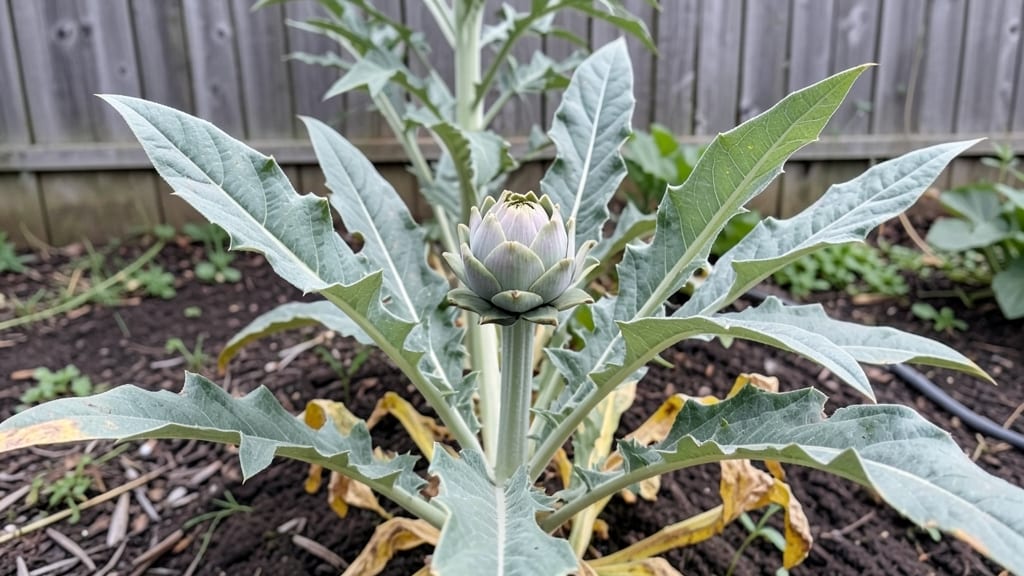
Encouraging artichoke plants to bloom isn’t just about patience—it’s about creating the perfect conditions where those striking purple flowers actually show up. 🌿 I’ve grown globe artichokes for five years, and the difference between a plant that throws up buds and one that just sends up skinny stems comes down to three things: sunlight, soil, and knowing when to stop pruning.
My first year, I pruned too late and missed the whole bloom cycle—don’t make that mistake.
The key starts with 6+ hours of full sun daily and well-draining soil rich in organic matter. Globe artichokes need at least 18 inches of depth for their roots to spread, and French artichokes (the tuberous kind) prefer slightly looser soil.
Once established, they’re surprisingly low-maintenance—just water consistently during dry spells and avoid over-fertilizing with nitrogen, which sends energy to leaves instead of flowers. I swear by a balanced 10-10-10 fertilizer in early spring, then nothing until buds form.
When done right, you’ll see those bold purple blooms by mid-summer, with globe artichokes producing edible buds before the flowers fully open. French artichokes, meanwhile, reward you with chubby, knobby tubers that taste like sweet chestnuts—no flowers needed.
The secret weapon? Pruning stops 6-8 weeks before your first frost to let the plant focus on flower development. Even my black thumb can’t mess this up once the timing clicks.
Works for both edible varieties and ornamental types, though globe artichokes demand more attention for harvestable buds. The same principles apply whether you’re in Zone 7-10 or a cooler microclimate—just adjust planting dates. Let’s get those plants blooming like crazy.
📚 In This Guide
- What you need
- Instructions
- Tips and common mistakes
- Wrapping up and next steps
What you need
- ● Artichoke plants (Cynara cardunculus): 1–3 potted plants (or seeds for long-term growth)
- ● Choose varieties like Romanesco or Green Globe for reliable blooms
- ● Well-draining potting mix: 5–10 gallons (depending on pot size)
- ● Mix of 60% garden soil, 30% compost, and 10% perlite/sand for aeration
- ● Containers: 1–3 large pots (18–24 inches in diameter) with drainage holes
- ● OR in-ground space (full sun, 6+ hours daily)
- ● Fertilizer: Balanced 10-10-10 or organic compost tea (apply every 4–6 weeks)
- ● Pruning shears: Sharp, clean pair for trimming spent blooms
- ● Mulch: Straw or wood chips (2–3 inches) to retain moisture
- ● Slow-release osmocote fertilizer for low-maintenance nutrition
- ● Drip irrigation system or self-watering pot (if in dry climates)
- ● Epsom salt (1 tbsp/month) to boost magnesium for vibrant blooms
- ● Decorative stones or pebbles for a polished container look
How to encourage abundant artichoke blooms year-round
Here’s the pruning and care system I’ve used to keep my artichoke plants flowering continuously—no matter the season.
🌱 Step 1: Prune for Airflow and Light Penetration
Start by removing any dead or yellowed leaves at the base of the plant. Use clean, sharp pruning shears to make cuts just above a leaf node—this prevents disease entry and encourages new growth. I focus on the lower third first, where old leaves block sunlight from reaching the center of the plant.
Next, thin out crowded stems. Artichokes produce best when they’re not competing for resources—aim to leave 3-4 main stems per plant. Cut back any weak or crossing branches to ½ inch above a leaf node. You’ll see new shoots emerge within 2-3 weeks as the plant redirects energy to stronger growth.
☀️ Step 2: Position for Maximum Sun Exposure
Artichokes thrive in full sun (6+ hours daily), but they also need protection from harsh afternoon rays in hot climates. I place mine in a spot where they get morning sun and afternoon shade—this balances energy production without stressing the plant.
If growing in containers, rotate pots quarter-turn weekly so all sides receive even light. You’ll notice leaves growing toward the light? That’s your cue to adjust placement immediately. For in-ground plants, mulch heavily around the base to retain moisture and regulate soil temperature.
💧 Step 3: Water Deeply and Consistently
Artichokes need 1-1.5 inches of water weekly, but they hate soggy roots. I water deeply at the base—never overhead—to prevent fungal diseases like powdery mildew. The soil should feel dry 1-2 inches down before watering again.
Here’s the trick: water in the early morning so leaves dry quickly. Wet foliage at night invites pests and rot. You’ll see buds form most vigorously when the plant is consistently hydrated but never waterlogged.
✂️ Step 4: Deadhead and Prune for Continuous Blooms
Once buds form, remove spent blooms immediately by cutting the stem back to the next leaf node. This prevents the plant from wasting energy on seed production and redirects it to new flower growth. I also trim back any leggy stems that grow beyond 18 inches tall—they’ll produce fewer, weaker blooms.
For year-round blooms, give your artichoke a light trim after each flush of flowers. You’ll notice new buds forming within 3-4 weeks as the plant responds to the pruning stimulus. This keeps the plant compact and productive.
🌿 Step 5: Fertilize for Long-Term Bloom Support
Feed your artichoke with a balanced, slow-release fertilizer (10-10-10) every 6-8 weeks during the growing season. I mix it into the top 2 inches of soil around the base, avoiding direct contact with stems. Over-fertilizing leads to lush foliage but fewer blooms.
Watch for signs of nutrient deficiency: yellowing leaves mean more nitrogen, while small buds suggest phosphorus needs. Adjust your feeding schedule based on what you observe—artichokes are forgiving but respond best to consistent, moderate care.
Tips & tricks for encouraging artichoke blooms
Real talk: The difference between a few sporadic blooms and a lush, year-round artichoke display often comes down to these precise pruning and care details. Here's what nobody tells you about keeping your plants in peak bloom condition.
Pruning Precision in Step 1: When you're thinning those crowded stems to 3-4 main stems, make your cuts at a 45-degree angle just above a leaf node. This angled cut prevents water from pooling on the stem, which drastically reduces fungal infections. I've seen plants with perfect blooms turn sickly overnight because of this one overlooked detail. Also, those new shoots you'll see in 2-3 weeks? They're your plant's way of saying "thank you" for giving it breathing room.
Sunlight Strategy in Step 2: If you're in a hot climate, don't just assume morning sun is enough—test your spot. Place a white plate where your artichoke will sit and check it at midday. If it's hot enough to burn your finger, that's too much direct sun. The quarter-turn weekly rotation for containers is especially critical—it's the only way to ensure even growth when space is limited. Think of it like giving your plant a gentle massage to keep it balanced.
Watering Wisdom in Step 3: The "dry 1-2 inches down" test is more important than you might think. Use a clean dowel or skewer to check moisture—if it comes out clean, water immediately. I've ruined perfectly healthy plants by either overwatering (which causes rot) or underwatering (which stresses the plant into dormancy). Morning watering isn't just about drying leaves—it's about giving roots time to absorb moisture before the heat of the day.
Deadheading Discipline in Step 4: Don't just pluck off spent blooms—always make that clean cut back to the leaf node. This might seem like overkill, but it's the only way to prevent those energy-sapping seed heads from forming. And that 3-4 week window for new buds? That's your plant's natural rhythm. If you're not seeing new growth within that timeframe, check your pruning cuts—sometimes we're too aggressive and shock the plant.
Pro Tips for Artichoke Plant Bloom
- Real talk: The difference between a few sporadic blooms and a lush, year-round artichoke display often comes down to these precise pruning and care details.
- Pruning Precision in Step 1: When you're thinning those crowded stems to 3-4 main stems, make your cuts at a 45-degree angle just above a leaf node.
- Sunlight Strategy in Step 2: If you're in a hot climate, don't just assume morning sun is enough—test your spot.
Frequently asked questions
Got questions about nurturing your artichoke plant’s stunning blooms? You’re not alone! Here are answers to the most common queries—from timing to troubleshooting—so you can enjoy year-round beauty with ease.
When will my artichoke plant bloom for the first time?
Most artichoke plants (Cynara cardunculus) bloom in their second year, typically between late spring and early summer (May–July). If you’re growing edible globe artichokes, focus on harvesting buds before they open—blooms signal the plant is shifting energy to seeds. Patience is key!
How do I encourage more blooms on my artichoke plant?
Boost blooms with these tricks:
- Full sun (6+ hours/day)—partial shade reduces flowering.
- Well-draining soil with balanced fertilizer (10-10-10) in early spring.
- Deadhead spent blooms to redirect energy to new growth.
- Avoid overwatering—drought stress can trigger more flowers!
Will artichoke plants bloom in winter, or do they need dormancy?
In USDA Zones 7–10, artichokes bloom year-round if temperatures stay above 20°F (-7°C). In colder zones, they’ll go dormant but often rebound in spring. Mulch heavily in winter to protect roots. If indoors, provide bright light (grow lights help!) to mimic seasons.
Why aren’t my artichoke blooms opening, or they’re misshapen?
Common culprits:
- Overcrowding—thin plants to 2–3 feet apart for airflow.
- Nutrient deficiency (especially potassium)—feed with banana peel tea or a bloom booster.
- Pests (aphids/slugs)—remove manually or use neem oil.
- Stress from transplant shock—wait until roots establish before expecting blooms.
Can I grow artichoke plants just for the flowers, or are they only edible?
While globe artichokes are prized for their buds, their purple thistle-like blooms are stunning in bouquets or dried arrangements. Varieties like ‘Romanesco’ produce edible petals and hearts, but even non-edible types (e.g., ‘Opal’) add drama to gardens. Bonus: Bees adore them!
Wrapping up and next steps
Watching your artichoke plant bloom year-round is a rewarding experience that blends beauty with minimal effort—just a little pruning know-how! 🌿 With the right tools, timing, and care, you can enjoy vibrant blooms and delicious harvests without the hassle.
Whether you're a seasoned gardener or just starting, embracing this low-maintenance approach makes it easier than ever to grow stunning artichokes.
Ready to transform your garden? Start by gathering your supplies and take the first step today—your future artichoke blooms will thank you! 🌸