
Plants
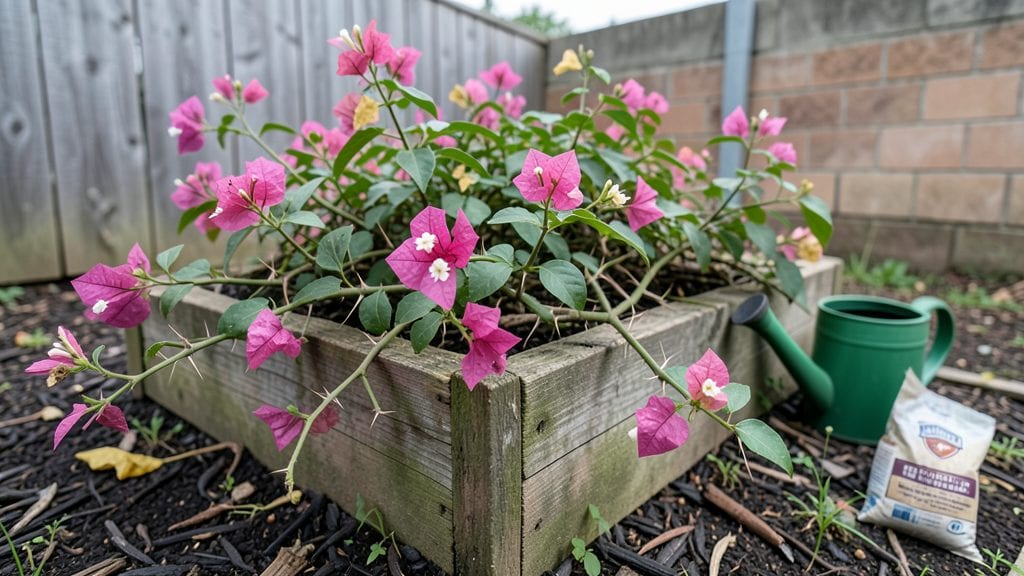
The right bougain plant food can turn your bougainvillea into a vibrant, blooming powerhouse—here’s the NPK balance and schedule to keep it thriving all season.
Struggling to keep your bougainvillea blooming like a tropical paradise? The secret isn’t just water or sunlight—it’s the right plant food packed with the three essential nutrients these vibrant plants crave year-round.
Most gardeners overlook the 7-7-7 NPK ratio that bougainvilleas love, or they feed too much, burning the leaves while the blooms stay sparse. In USDA Zones 9-11, a few simple adjustments—like switching to a balanced fertilizer in spring and cutting back in fall—can double your flower power.
Below, I break down the best organic and synthetic options, when to feed (and when to skip), and how to spot over- or under-fertilization before it’s too late.

3 Essential nutrients in bougainvillea plant food for maximum blooms
Your bougainvillea’s vibrant blooms and lush foliage depend on a precise balance of nutrients—especially the big three: nitrogen (N), phosphorus (P), and potassium (K). Unlike generic fertilizers, bougainvilleas thrive on a 7-9-5 NPK ratio, which promotes flowering without excessive leafy growth.
Understanding these ratios helps you avoid common mistakes like leaf burn from over-fertilizing or sparse blooms from nutrient imbalance.
Let’s break down why bougainvilleas need this specific balance and how to read fertilizer labels to match their needs. The key is providing phosphorus for blooms, potassium for root strength, and just enough nitrogen for foliage—without overdoing it.
Micronutrients like calcium, magnesium, and iron also play a supporting role, but the NPK ratio is where you’ll see the biggest impact on your plant’s performance.
When reading fertilizer labels, look for a balanced NPK ratio like 7-9-5 or 10-10-10. A ratio like 30-10-10 (common in lawn fertilizers) will produce too much nitrogen, leading to lush leaves but fewer blooms.
Bougainvilleas prioritize phosphorus for flowers, so a higher middle number (like 9) is ideal. If your plant has purple stems or sparse blooms, it’s likely craving more phosphorus.
Potassium is often overlooked but critical for bougainvilleas, especially in hot, dry climates. A potassium deficiency can cause leaf edges to brown or the plant to wilt despite adequate water.
To boost potassium naturally, use banana peels or wood ash as a top-dressing. For micronutrients, a chelated iron supplement can prevent yellowing between leaf veins, a common sign of iron deficiency.
Avoid synthetic fertilizers with high salt content, like some water-soluble options, which can burn roots in potted bougainvilleas. Instead, opt for slow-release granules or organic options like fish emulsion.
Always water thoroughly after fertilizing to prevent salt buildup in the soil. For potted plants, flush the soil with water every 3-4 months to remove excess salts.
Timing your fertilizer applications is just as important as the ratio. Feed bougainvilleas every 4-6 weeks during spring and summer when they’re actively growing. Reduce feeding in fall and winter to let the plant rest.
Over-fertilizing in cooler months can lead to leaf burn or fungal issues. If you notice dark brown patches on leaves, flush the soil immediately and hold off on fertilizing for a few weeks.
For organic gardeners, compost tea or worm castings provide a gentle, balanced nutrient boost without risking salt buildup. Mix 1 cup of compost into the top inch of soil around your bougainvillea every 2 months.
This method also improves soil structure, helping roots absorb nutrients more efficiently. Pair organic feeding with regular pruning to encourage new growth and more blooms.
If your bougainvillea isn’t blooming as expected, check the NPK ratio of your fertilizer and adjust accordingly. A 7-9-5 blend is a safe bet for most gardeners, but you can tweak it based on your plant’s needs.
For example, if blooms are sparse, switch to a 5-10-5 ratio for a few months to push flowering. Always monitor your plant’s response and adjust gradually to avoid shocking the roots.
Remember, bougainvilleas are drought-tolerant, so they don’t need frequent feeding. A little goes a long way—especially when you’re using the right nutrients in the right balance. With the correct plant food, your bougainvillea will reward you with season-long color and minimal maintenance. Happy gardening!
Best organic vs. synthetic bougainvillea plant food: pros and cons
Choosing the right bougainvillea plant food can transform your tropical shrub from a sparse bloomer to a vibrant, year-round spectacle. But with organic and synthetic options flooding garden centers, how do you decide?
Each type offers unique benefits—and trade-offs—that directly impact your plant’s growth, color intensity, and soil health. Let’s break down the key differences to help you pick the best fit for your bougainvillea’s needs.
Organic fertilizers like compost, fish emulsion, and worm castings feed your bougainvillea slowly, mimicking natural nutrient release. They improve soil structure and microbial life, which is especially valuable if your plant struggles in poor-draining soil.
On the flip side, synthetic fertilizers deliver precise nutrient ratios (like the 7-9-5 bougainvilleas love) and work faster for quick bloom boosts. The catch? Overuse can lead to salt buildup in potted plants or burned roots if not diluted properly.
Pros:
- Improves soil health
- Slow-release nutrients
- Safe for microbes
- No salt buildup risk
Pros:
- Precise NPK control
- Fast results
- Easy to measure
- Works in any soil
Cons:
- Slower bloom response
- May need frequent applications
- Can attract pests
- Smell issues (e.g., fish emulsion)
Cons:
- Risk of over-fertilization
- Salt buildup in pots
- Harmful to soil microbes
- Requires careful dilution
For seasonal adjustments, I recommend starting with organic fertilizers in spring to wake up your bougainvillea’s roots and build soil health before the blooming season. Switch to a balanced synthetic fertilizer (like 10-10-10) in late spring to kickstart vibrant color.
In summer, reduce synthetic use to avoid leaf burn and opt for liquid seaweed extract—a natural organic booster that enhances bloom longevity without stressing the plant.
If your bougainvillea is potted, synthetic fertilizers can be convenient but require extra caution. Always flush the soil with water every 2-3 months to prevent salt accumulation, which stunts growth.
For in-ground plants, organic options like well-aged compost or worm castings work wonders year-round, especially in USDA Zones 9-11, where bougainvilleas thrive year-round. The key is consistency—whether organic or synthetic, stick to a 4-6 week feeding schedule during active growth.
Pro tip: Mix both types for the best results! Use organic matter as a base (like compost) and top-dress with a slow-release synthetic granule in early spring. This combo ensures your bougainvillea gets the immediate nutrients it needs for blooms while long-term soil health stays intact.
Just remember: less is more—bougainvilleas are drought-tolerant but hate soggy roots, so always let the top inch of soil dry out between feedings.
🌺 Whether you’re a zero-waste gardener or a precision-feeding enthusiast, the right bougainvillea plant food can make all the difference. Experiment with both organic and synthetic options to find what works best for your climate and plant’s unique personality!