
Diseases
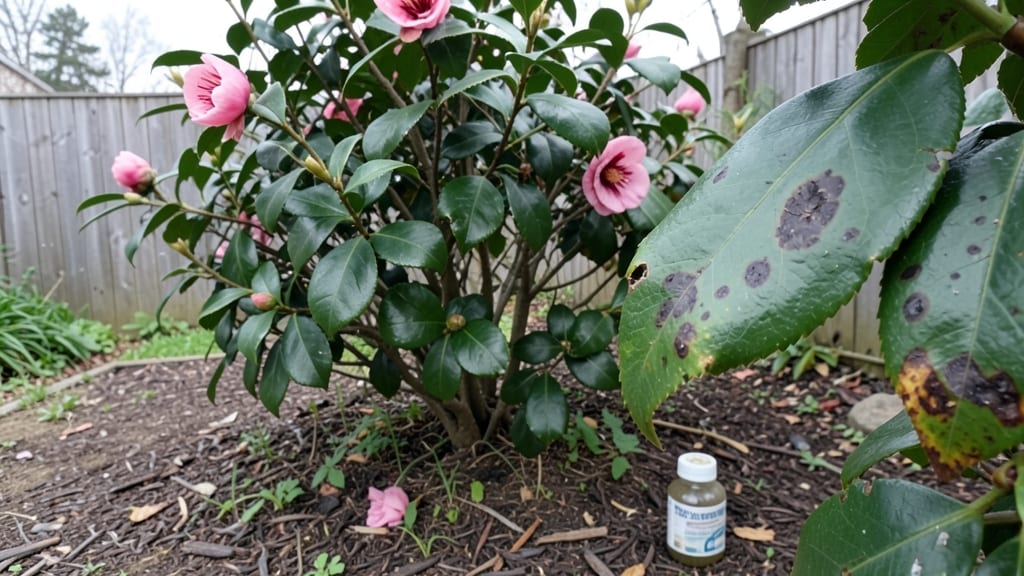
Camellia plant diseases can turn your prized shrubs into sad, spotted shadows—unless you catch them early. 🌿 I’ve seen petal blight turn glossy blooms into slime-covered messes and dieback kill branches from the bottom up, and the good news is, most of these fungal problems have simple fixes once you know what to look for.
The worst offenders—like brown blight, anthracnose, and root rot—love damp, shady conditions, which is why your camellias might be screaming for better airflow or less overhead watering. Pruning in late winter (before buds swell) removes infected wood, and a 3-inch layer of mulch keeps roots happy without trapping moisture.
I’ve saved multiple camellias just by adjusting these basics.
You’ll spot the damage early: yellowing leaves, black spots on petals, or branches that look like they’ve been chewed by something invisible.
Once you identify the culprit, copper fungicides (for severe cases) or neem oil sprays (for mild infections) work like magic—just apply them when buds form in spring and again after blooming. Prevention is easier than cleanup.
Seasonal care makes all the difference—spring pruning, summer watering at the roots (not the leaves), and fall cleanup of fallen petals. These small tweaks keep your camellias blooming boldly for years without a single fungal fight. Let’s get your shrubs back to their best.
Root Causes Behind Camellia Ailments
Camellias are stunning, hardy plants—but even the toughest blooms fall prey to fungal diseases when the right (or rather, wrong) conditions align. Understanding why these diseases strike is the first step to prevention. Below, we break down the key factors that turn your lush camellia into a fungal buffet.
Fungal spores love humidity—think of them as tiny, spore-producing vampires craving moisture. When temperatures hover between 60–80°F (15–27°C) and humidity stays high (especially above 75%), fungi like Cercospora (leaf spot) and Phytophthora (root rot) throw a party on your camellia’s leaves and roots.
Why it happens:
- Poor air circulation: Dense foliage or crowded plantings trap moisture, creating a fungal paradise. 🌧️
- Frequent rain or overhead watering: Leaves stay wet for 12+ hours, giving spores the perfect breeding ground.
- Shady, poorly drained soil: Water pools around roots instead of draining, inviting Phytophthora and Fusarium to move in.
Pro tip: 💡 Space plants <3–5 feet apart for airflow, and water at the base (not the leaves) in the early morning so foliage dries by night.
A stressed camellia is like an open invitation to fungal invaders. When your plant’s immune system is compromised—whether from nutrient deficiencies, physical damage, or environmental shocks—diseases latch on faster.
Why it happens:
| Stress Factor | How It Opens the Door |
|---|---|
| Nitrogen deficiency | Yellowing leaves (chlorosis) weaken cell walls, making them easier targets for anthracnose. |
| Pruning wounds | Fresh cuts provide entry points for Botrytis (gray mold) spores. |
| Extreme temperature swings | Sudden cold snaps or heatwaves shock the plant, reducing resistance to Cercospora. |
| Compaction or poor soil | Root stress from hardpan or low oxygen invites Armillaria (root rot). |
Pro tip: 🌡️ Monitor soil pH (ideal: 5.5–6.5) and fertilize with balanced NPK (10-10-10) in early spring to bolster defenses.
Fungal spores are everywhere—on old pruners, infected plant debris, or even in potting mix. If you’re not sanitizing tools or refreshing soil, you’re basically handing diseases a free ride to your camellia.
Why it happens:
- Reusing dirty pruners: Spores from a previously infected plant hitchhike to healthy ones. ⚔️
- Planting in old soil: Leftover Phytophthora or Fusarium spores lie dormant for years, waiting to reinfect.
- Compost from diseased plants: Even "homemade" compost can harbor pathogens if it includes infected leaves or stems.
Pro tip: ✨ Sterilize tools with 70% isopropyl alcohol or a 10% bleach solution between uses. For soil, solarize beds in summer (cover with clear plastic for 4–6 weeks) to kill spores.
Pests like scale insects, aphids, or spider mites don’t just sap sap—they create wounds and sticky residue (honeydew) that attract fungal hitchhikers like Sooty Mold.
Why it happens:
- Honeydew buildup: Fungi like Cladosporium thrive on this sugary film, turning leaves black and crusty. 🕷️
- Physical damage: Chewed leaves or stems provide entry points for Botrytis.
- Pest stress: Weakened plants can’t fight off secondary infections.
Pro tip: 🎯 Treat pest outbreaks immediately with neem oil or insecticidal soap to prevent fungal tag-alongs.
Fungal diseases don’t strike randomly—they peak during specific seasons when conditions align. Knowing these windows helps you stay ahead.
| Disease | Peak Season | Why It Spikes |
|---|---|---|
| Cercospora Leaf Spot | Late spring–summer | Warm, rainy weather (60–80°F) + long leaf wetness periods. |
| Phytophthora Root Rot | Fall–early winter | Cool, soggy soil (below 60°F) slows root recovery. |
| Anthracnose | Spring (new growth) | Moist, mild weather (50–70°F) + fresh tissue vulnerable to spores. |
Pro tip: ⏰ Monitor weather forecasts and apply preventive fungicides (like copper or chlorothalonil) before rain predicts 3+ days of high humidity.
Quick Fixes for Camellia Ailments
Revitalizing your camellia doesn’t have to be a guessing game. Whether your plant is battling brown spots, moldy growth, or wilted leaves, these targeted solutions will help you restore its health—fast.
Below, we’ve mapped the most common camellia diseases to their fixes, complete with prevention tips to keep your plant thriving long-term.
Cause: Overhead watering, poor airflow, or damp foliage. Fix:
- 🔥 Prune infected leaves with sterilized shears (dip in 70% alcohol or bleach solution).
- 🍳 Apply fungicide (copper-based or neem oil) every 7–10 days until spots disappear.
- 🌡️ Improve airflow by spacing plants 3–5 feet apart and thinning dense branches.
Prevention Tip: 💡 Water at the base (not overhead) and avoid planting in low-lying areas where water pools.
Cause: High humidity, lack of sunlight, or crowded growth. Fix:
- 👨🍳 Wipe leaves with a damp cloth dipped in 1 tsp baking soda + 1 quart water + a drop of dish soap.
- 🌿 Spray with sulfur or potassium bicarbonate (follow label instructions) weekly.
- ⏰ Increase sunlight by moving plants to a sunnier spot (camellias need 4–6 hours of sun/day).
Prevention Tip: ✨ Prune for airflow—remove dead branches and avoid over-fertilizing with nitrogen (which encourages lush, mildew-prone growth).
Cause: Overwatering, poor drainage, or compacted soil. Fix:
- 🔪 Stop watering immediately and let the soil dry out completely.
- 🌱 Repot in fresh, well-draining soil (mix in perlite or sand) if roots are mushy.
- 💧 Use a moisture meter to check soil before watering—only water when the top 1–2 inches are dry.
Prevention Tip: 🎯 Raise garden beds or add gravel at the bottom of pots to prevent waterlogging.
Cause: Fungal spores from wet petals or rain. Fix:
- 🍂 Remove infected flowers/buds as soon as you spot them.
- 🛡️ Protect blooms with a lightweight row cover during rainy seasons.
- 🌿 Apply fungicide (like chlorothalonil) before budding season starts.
Prevention Tip: 💡 Deadhead spent blooms promptly to reduce spore spread.
Cause: Fungal spores thriving in wet, warm conditions. Fix:
- 🔪 Trim affected areas with sterilized tools and dispose of clippings (don’t compost).
- 🍳 Spray with copper fungicide (repeat every 2 weeks until new growth appears).
- 🌡️ Avoid overhead watering—use drip irrigation instead.
Prevention Tip: 🌿 Space plants properly to reduce humidity around foliage.
Cause: Bacterial or fungal infection from wounds or tools. Fix:
- 🔪 Cut out infected stems 6 inches below the canker with a sterilized knife.
- 🧴 Seal the wound with pruning paint or copper fungicide.
- 🌱 Dispose of infected wood in the trash (not compost).
Prevention Tip: ✨ Sterilize pruners between cuts with rubbing alcohol.
Cause: Sap-sucking pests weakening the plant. Fix:
- 🧼 Scrub off insects with a soapy water solution (1 tsp mild soap per quart of water).
- 🍳 Apply horticultural oil (like neem oil) to suffocate eggs and adults.
- 🐞 Introduce ladybugs (natural predators) if infestation is mild.
Prevention Tip: 💡 Inspect new plants before bringing them home—quarantine for 2 weeks if needed.
To prevent future issues, follow these year-round tips:
- 📊 Test soil pH (camellias love acidic soil, pH 5.5–6.5).
- 🍂 Mulch with pine needles (natural acidifier + moisture retention).
- 🌡️ Monitor humidity—aim for 40–60% (use a dehumidifier indoors if needed).
- 🌱 Fertilize in spring with acid-loving plant food (avoid high-nitrogen in summer).
Pro Tip: 🔥 Act fast! The sooner you treat a disease, the easier it is to reverse. Isolate sick plants to prevent spreading to healthy camellias in your garden.
Frequently asked questions
What are the first signs that my camellia has a fungal disease?
Watch for yellowing leaves, black or brown spots on petals, and mushy stems—these are classic red flags. Early symptoms often appear as tiny dark specks on leaves or petals, especially after rainy weather. If you see powdery white growth (mildew) or slime-covered spots (petal blight), act fast with fungicide.
Can I save my camellia if it already has root rot?
It depends on how severe the damage is. If roots are soft and black, repot immediately in fresh, well-draining soil and stop watering for 2 weeks to let roots recover. For advanced cases, you may need to trim back the plant drastically. Prevention is key—always use containers with drainage holes and avoid soggy soil.
Is neem oil safe to use on blooming camellias?
Yes, but use it early in the morning and avoid spraying directly on open flowers. Neem oil works best as a preventive spray (every 2–3 weeks) rather than a cure. For active infections, opt for copper fungicide instead—it’s more potent against established fungal growth.
Why do my camellia leaves keep getting brown edges even when I water properly?
Brown, crispy edges often signal underwatering or high salt buildup from tap water. Flush the soil with rainwater or distilled water to remove excess salts, and check your watering schedule—camellias prefer consistent moisture (not soggy soil). Test your water’s pH too; hard water can stress roots.
How do I know if my camellia’s problem is a disease or just environmental stress?
Diseases usually show up as spots, mold, or slime, while stress looks like uniform yellowing, wilting, or stunted growth. Check for pests too—aphids or spider mites can mimic disease symptoms. If the issue spreads quickly (like black spots on petals), it’s likely fungal. Environmental stress often improves with better light or water adjustments.