
Diseases
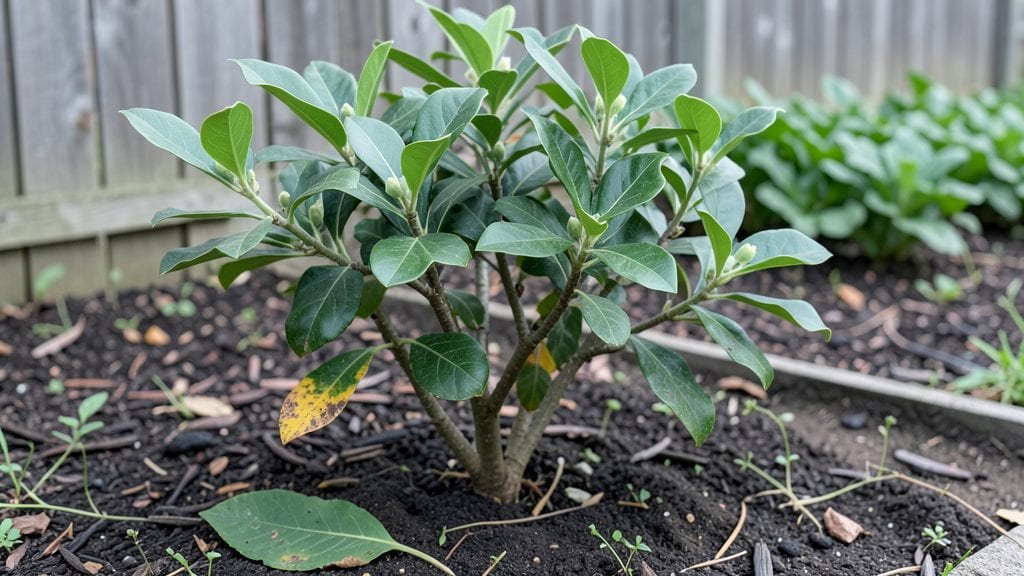
Laurel plant diseases turn those glossy leaves into sad, spotted messes—fast. 🌿 I’ve watched healthy laurels go from vibrant to wilted in weeks, and the key to saving them is spotting the problem early.
Fungal infections like powdery mildew or bacterial leaf spot show up as weird stains or crusty patches, while nutrient deficiencies make leaves yellow or crispy at the edges.
The worst part? Most gardeners don’t realize their watering habits or crowded plantings are the real culprits. Too much shade, poor airflow, or overwatering create the perfect storm for diseases to take hold.
But here’s the good news: once you know what to look for, fixing it is straightforward—think pruning, fungicides, or just adjusting how you care for them.
You’ll learn to recognize the 10 most common foes, from black spot to root rot, and how to treat them without harsh chemicals. A few simple tweaks—like spacing plants properly or using copper sprays—can turn things around in just a few weeks.
Your laurels will bounce back with stronger, shinier foliage than ever.
Whether you’re dealing with a single sick plant or a whole row, these solutions work for both indoor and outdoor laurels. Let’s get those leaves looking healthy again—no more guessing, just actionable fixes.
Root Causes Of Laurel Trouble
Laurel plants, whether the fragrant Laurus nobilis or ornamental varieties like Prunus laurocerasus, are tough but not invincible. When diseases strike, they’re usually the result of a perfect storm of environmental stress, microbial invaders, or poor growing conditions.
Understanding the why behind these issues is the first step to prevention—and saving your leafy greens. Let’s break down the most common culprits.
Laurel plants thrive in well-draining soil, but when they’re stuck in soggy conditions, their roots suffocate. Overwatering—especially in heavy clay or compacted soil—creates the ideal breeding ground for root rot (often caused by Phytophthora or Pythium fungi).
- Why it happens: Excess moisture starves roots of oxygen, weakening them and inviting fungal pathogens. Phytophthora spores lurk in waterlogged soil, infecting roots within days.
- Actionable fix:
- Test soil drainage: Dig a hole, fill it with water, and time how long it takes to drain. If it’s slower than 4 hours, amend with perlite or sand.
- Water deeply but infrequently—aim for 1–1.5 inches per week, adjusting for rain.
- Raise containers: Ensure pots have drainage holes and elevate them to prevent water pooling.
Laurel plants are magnets for foliar diseases like Cercospora leaf spot or anthracnose, thanks to their dense, evergreen foliage. High humidity (above 70%) and poor airflow turn leaves into fungal buffets.
- Why it happens:
- Fungal spores (Cercospora, Colletotrichum) thrive in damp conditions. They hitchhike on wind, tools, or even your shoes from infected plants.
- Laurel’s glossy leaves trap moisture, creating microclimates perfect for spore germination.
- Actionable fix:
- Space plants 3–5 feet apart for airflow. Prune to open the canopy.
- Water in the early morning so leaves dry by nightfall.
- Use a fungicide spray (copper-based or neem oil) preventatively in humid seasons.
Before fungi or bacteria can strike, insects like aphids, scale, or spider mites often chew or suck sap from laurel leaves, creating entry points for disease. Their honeydew residue also feeds sooty mold fungi.
- Why it happens:
- Pests damage plant tissue, leaving wounds where pathogens enter. For example, aphids transmit Xylella fastidiosa, causing leaf scorch.
- Honeydew attracts ants, which protect pests—turning your laurel into a disease hotspot.
- Actionable fix:
- Inspect undersides of leaves weekly for pests. Blasts of water can dislodge soft-bodied insects.
- Apply insecticidal soap or horticultural oil to break pest cycles.
- Encourage beneficial predators like ladybugs or lacewings with companion plants (e.g., marigolds).
A laurel plant starved of nitrogen, iron, or magnesium can’t fight off diseases. Yellowing leaves (chlorosis) or stunted growth signal weakened immunity, making them easy targets for bacterial leaf blight or powdery mildew.
- Why it happens:
- Poor soil (pH 6.0–7.0 is ideal for laurels) locks out nutrients. For example, high pH blocks iron uptake, causing yellowing between veins.
- Over-fertilizing with synthetic salts burns roots, reducing disease resistance.
- Actionable fix:
- Test soil every 2–3 years and amend with compost or chelated iron if deficient.
- Use slow-release organic fertilizers (like fish emulsion) to avoid salt buildup.
- Mulch with wood chips to retain moisture and nutrients.
Laurels are adaptable, but extreme heat, cold snaps, or sudden drought shock their systems, leaving them vulnerable to opportunistic pathogens like Botrytis (gray mold).
- Why it happens:
- Heat stress (above 90°F) causes leaf scorch, while cold damage (below 20°F) weakens cell walls, inviting bacterial infections.
- Drought weakens roots, making them less able to absorb water—leading to wilting and Phytophthora infections when water is finally reintroduced.
- Actionable fix:
- Mulch 3–4 inches deep to regulate soil temperature and retain moisture.
- Choose heat-tolerant varieties (e.g., Prunus laurocerasus ‘Saratoga’) if you’re in a hot climate.
- Water deeply during droughts to encourage deep root growth.
Pro Tip: 💡 Most laurel diseases thrive when multiple factors align—like overwatering + high humidity + poor airflow. Break the chain by addressing one stressor at a time. Healthy laurels are disease-resistant laurels!
Quick Fixes for Laurel Leaf Troubles
Reviving your laurel plant starts with pinpointing the right cure for its ailments. Below, we’ve mapped out practical, step-by-step solutions for the most common fungal and bacterial diseases, along with prevention tips to keep your plant thriving. Think of this as your go-to guide—no green thumb required!
1.
Powdery Mildew 🧼 🔥 Cause: White, powdery spots on leaves (often from poor airflow or humidity).* 👨🍳 Fix It: - Prune infected leaves (🔪) with sterilized shears—dispose of them in the trash, not the compost. - Spray with a homemade fungicide: Mix 1 tsp baking soda + 1 quart water + a drop of dish soap (🧴).
Apply every 7–10 days until cleared. - Boost airflow: Thin out dense foliage or move the plant to a sunnier, breezier spot (⏰ morning sun is ideal). - Prevent recurrence: Water early in the day so leaves dry quickly. Avoid overhead spraying (💦).
💡 Pro Tip: Repeat treatments until new growth appears powder-free for 2–3 weeks.
2.
Laurel Blight (Cercospora Leaf Spot) 🌡️ 🔥 Cause: Dark, greasy spots with yellow halos (from wet foliage or crowded plants).* 👨🍳 Fix It: - Remove and destroy all spotted leaves immediately (🗑️). - Apply copper fungicide (like Bordeaux mixture or copper soap) every 10–14 days for 3 rounds. - Space plants at least 3–4 feet apart to improve drying time (🌿). - Water at the base (💧) and avoid wetting leaves.
Use drip irrigation if possible.
✨ Prevention: Mulch with gravel or pine straw (not organic mulch) to reduce soil splash onto leaves.
3.
Root and Stem Rot (Phytophthora) 💀 🔥 Cause: Yellowing leaves, mushy stems, or foul-smelling soil (from overwatering or poor drainage).* 👨🍳 Fix It: - Stop watering immediately and let the soil dry out completely (🌞). - Repot the plant in fresh, well-draining soil (mix cactus/succulent mix with perlite). - Trim rotten roots with clean scissors (🔪), then dust cuts with cinnamon powder (natural antifungal). - Move to a pot with drainage holes and water only when the top 2 inches of soil are dry. - Add hydrogen peroxide (3%) to water (1 tbsp per gallon) for 2 weeks to sterilize roots (🧪).
🎯 Long-Term Fix: Upgrade to a terracotta pot (porous material helps prevent rot).
4.
Bacterial Leaf Scab 🛡️ 🔥 Cause: Raised, scabby lesions on leaves (from splashing water or wounds).* 👨🍳 Fix It: - Prune infected leaves and sterilize tools with rubbing alcohol (70% or higher). - Apply a bacterial spray: Mix 1 tsp neem oil + 1 tsp liquid soap + 1 quart water (🌿).
Spray every 5 days for 3 weeks. - Avoid overhead watering—use a soaker hose or watering can with a narrow spout. - Disinfect tools and pots between uses (🧼).
💡 Pro Tip: Bacterial scab thrives in warm, wet conditions—space plants for airflow!
5.
Laurel Bacterial Blight (Xanthomonas) 🚨 🔥 Cause: Water-soaked spots that turn brown/black (spreads via rain or tools).* 👨🍳 Fix It: - Remove and destroy all infected leaves immediately (🔥). - Apply copper-based bactericide (like Copper Septicide) every 7–10 days for 4 weeks. - Quarantine the plant until new growth is spot-free for 30 days. - Sterilize pruners after each cut (🧴). - Prevent spread: Avoid wetting leaves and water in the morning for quick drying.
🎯 Prevention: Rotate crops if growing laurels in a garden—don’t replant in the same spot for 2+ years.
No matter the issue, these universal fixes help your laurel bounce back:
- Trim the damage (🔪)—healthy leaves = faster recovery.
- Boost light—move to bright, indirect light (🌞).
- Adjust watering—soak-and-dry method (water deeply, then let soil dry 50% before rewetting).
- Feed lightly—use a balanced fertilizer (10-10-10) once recovered, not during treatment.
- Inspect weekly—catch new issues early (👀).
🚀 Final Prevention Checklist: ✅ Airflow is key—prune for space, use fans in greenhouses. ✅ Water wisely—base only, never leaves. ✅ Clean tools—sterilize after every use. ✅ Monitor humidity—keep below 60% if possible. ✅ Rotate pots—prevents soil-borne diseases from building up.
With these fixes, your laurel should bounce back stronger—and stay disease-free for years! 🌿💪
Frequently asked questions
Why do my laurel leaves suddenly turn yellow?
Yellowing laurel leaves often signal nutrient deficiencies (like iron or nitrogen) or overwatering. Check soil moisture—if it’s soggy, roots may be drowning. Test soil pH (ideal: 6.0–7.0) and amend with compost or chelated iron if deficient. Yellowing between veins? That’s classic iron chlorosis—common in alkaline soils.
Can I save a laurel plant with brown, crispy edges?
Brown, crispy edges usually mean underwatering or low humidity. Move the plant to a shadier spot and water deeply once a week (adjust for climate). Mist leaves lightly in dry conditions or place a pebble tray nearby. If edges are also curling, it could be bacterial leaf scab—prune infected areas and apply neem oil spray.
How do I know if my laurel has fungal disease vs. bacterial infection?
Fungal issues (like powdery mildew or leaf spot) show up as white powder, dark spots with yellow halos, or fuzzy growth. Bacterial problems (e.g., leaf scab) create water-soaked lesions that turn brown/black and ooze when pressed. Fungi thrive in damp conditions; bacteria spread via water splashing or tools.
Is it safe to use vinegar as a fungicide for laurels?
Undiluted vinegar can burn laurel leaves, but a 1:10 vinegar-to-water spray (1 part white vinegar + 9 parts water) can help control powdery mildew. Add a drop of dish soap as a surfactant. Test on a small leaf first! For severe infections, opt for copper fungicide or neem oil, which are gentler and more effective.
How often should I prune my laurel to prevent disease?
Prune laurels 2–3 times a year—focus on removing dead, diseased, or crowded branches in early spring. Thin out dense areas to improve airflow (critical for preventing fungal spores). Sterilize pruners with rubbing alcohol between cuts, and dispose of infected clippings in the trash, not compost. Light pruning also encourages bushier, healthier growth.