
How To
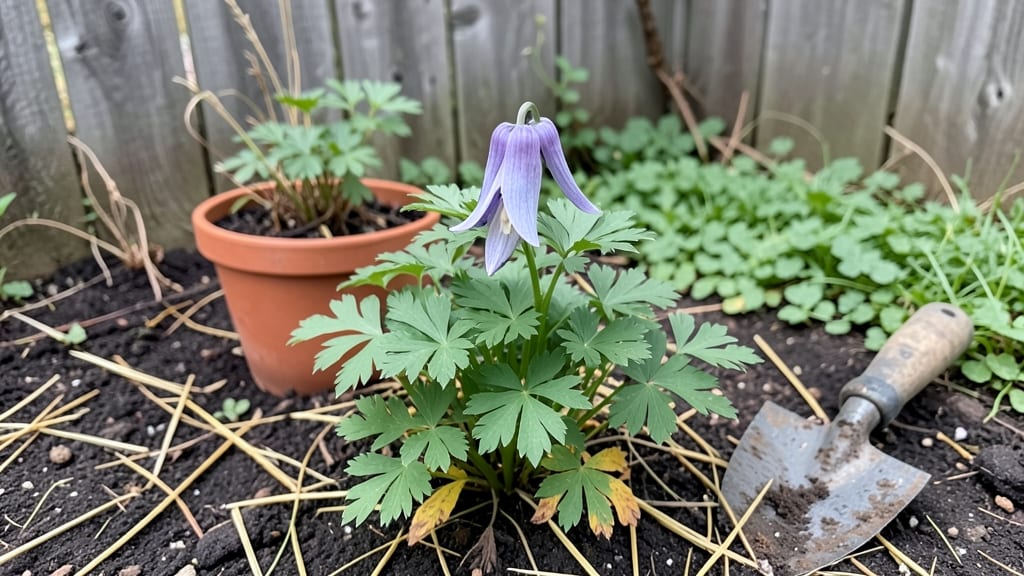
Here are the columbine planting instructions you need to coax those dreamy blooms from spring until frost—trust me, these flowers are tougher (and easier) than they look. of sun, soil, and spacing. The key? Mimicking their natural woodland edge habitat in your garden.
You’ll need well-draining soil (mix in compost if yours is heavy), a spot with partial shade (morning sun and afternoon shade works best), and a little patience—columbine seeds can take time to establish.
Spacing them 12-18 inches apart gives their fern-like foliage room to spread without competing for nutrients. The deeper you plant the seed (about ½ inch), the better the roots will anchor before winter.
After planting, keep the soil consistently moist but not soggy—these are thirsty flowers, especially in their first growing season. Once established, they’ll reward you with vibrant blooms in shades of blue, pink, or white that hummingbirds can’t resist.
The secret to long-lasting flowers? Deadheading spent blooms and avoiding over-fertilizing—too much nitrogen means fewer flowers and more leaves.
This works for both spring planting (after last frost) and fall planting (6-8 weeks before first frost), giving you flexibility. Whether you’re tucking them into a shady border or letting them self-seed naturally, columbine will become your garden’s most reliable performer. Let’s get those seeds in the ground!
📚 In This Guide
- What you need
- Instructions
- Tips and common mistakes
- Wrapping up and next steps
What you need
- ● Columbine seeds or seedlings: Choose Aquilegia varieties like ‘Nancy’s Gold’ or ‘Black Barlow.’ Start with 10–20 plants for a small garden or 30+ for a fuller display.
- ● Well-draining potting mix or garden soil: Aim for a blend with organic matter (like compost) for nutrient-rich soil. A 50/50 mix of garden soil and compost works well.
- ● Planting containers or garden bed: For containers: Use pots at least 6–8 inches deep with drainage holes (3–5 plants per 12-inch pot).
- ● For garden beds: Ensure the area is 6–12 inches deep and at least 12–18 inches wide per plant.
- ● Watering can or hose with a gentle spray nozzle: Columbine roots are delicate—avoid heavy water pressure.
- ○ Garden gloves (optional but recommended): Protects hands from soil and thorns on some varieties.
- ● Sunlight: Partial shade to full sun (4–6 hours of sunlight daily). Avoid harsh afternoon sun in hot climates.
- ● Water access: Columbine prefers moderate moisture but hates soggy roots. Ensure good drainage.
- ● Spacing: Seedlings: 12–18 inches apart in rows or clusters.
- ● Seeds: Sow ¼ inch deep, 6–12 inches apart (thin seedlings later).
- ● Climate: Hardy in USDA Zones 3–9. Plant in early spring or fall for best results.
- ● Mulch: Apply 1–2 inches of organic mulch (like shredded bark) to retain moisture and suppress weeds.
- ● Fertilizer: A balanced, slow-release granular fertilizer (10-10-10) at planting time boosts growth.
- ● Stakes or cages: Use for tall varieties (like ‘McKana’s Giant’) to prevent flopping in wind.
- ● Seed-starting kit: If sowing indoors, grab seed trays, a heat mat (70°F ideal), and grow lights.
Step-by-Step instructions for planting columbine
Here’s how to plant columbine for vibrant blooms—spaced just right and positioned for ideal sunlight.
Choose the Right Location for Optimal Sunlight
Columbine thrives in partial shade to full sun, but the key is balancing light and airflow. I always scout the site first for 3-4 hours of direct sunlight daily, especially in warmer climates. Too much harsh afternoon sun can scorch delicate foliage, while too little shade reduces bloom intensity. Look for spots where dappled sunlight filters through taller trees or where morning sun gives way to afternoon shade.
Test the area for a week before planting—place a white board where you plan to dig and mark the sunniest and shadiest times. If the board shows more than 50% shade, your columbine will still grow but may produce fewer blooms. Adjust by planting near a northern-facing wall or under high-canopy trees that allow filtered light.
Prepare the Soil for Healthy Root Development
Columbine adapts to most soil types but performs best in well-draining, slightly acidic to neutral soil (pH 6.0-7.5). Before planting, loosen the soil to a depth of 12 inches with a garden fork, breaking up any compacted layers. Amend the native soil with 2-3 inches of organic matter—I use a mix of compost and peat moss—to improve drainage and fertility without suffocating roots.
Avoid heavy clay or waterlogged spots, as columbine roots rot easily in soggy conditions. If your soil drains poorly, mound the planting area slightly or create a raised bed. Work the amendments into the top 6 inches of soil, then level the surface. The goal is loose, crumbly soil that holds moisture without becoming waterlogged.
Plant Columbine at the Correct Depth and Spacing
Dig holes twice as wide as the root ball but only as deep as the container’s base—columbine roots are shallow and dislike being buried too deep. Gently remove the plant from its container and tease apart any circling roots to encourage outward growth. Place the root ball in the hole so the top is level with the surrounding soil, not mounded or sunken.
Space plants 12-18 inches apart for a full, natural look. Closer spacing (12 inches) works for bushier varieties, while taller types (18 inches) need room to avoid crowding. If planting in groups, arrange them in odd-numbered clusters (3, 5, or 7) for a more organic, garden-friendly appearance. Press the soil lightly around the roots to eliminate air pockets but avoid compacting.
Water Deeply and Mulch for Moisture Retention
Water the newly planted columbine deeply—soak the soil until it’s 6 inches down, ensuring the root ball is thoroughly moistened. Let the water drain completely before mulching, as soggy soil invites rot. Apply 2-3 inches of organic mulch (like shredded bark or pine needles) around the base, keeping it 2 inches away from the stem to prevent moisture buildup.
Mulch helps regulate soil temperature and reduces watering frequency, but avoid piling it too thickly—columbine roots need airflow. Replenish mulch annually in early spring to maintain its protective layer. After planting, water once a week for the first month, then taper to every 10-14 days once established, adjusting for rainfall. Overwatering is the fastest way to kill columbine, so always check soil moisture before watering.
Monitor Light and Fertility for Continuous Blooms
Columbine blooms best when given consistent light conditions—if you notice leaves yellowing or stems stretching, adjust the planting spot to provide more shade (especially in hot climates). Fertilize lightly in early spring with a balanced, slow-release fertilizer (10-10-10) to encourage lush growth, but avoid heavy feeding, which can reduce flowering.
Deadhead spent blooms by snipping stems just above the first set of leaves to encourage more flowers. In late fall, cut back foliage by one-third to tidy the plant and remove any diseased leaves. Columbine is drought-tolerant once established, but it rewards consistent care with prolonged blooming seasons—often from late spring through summer, and sometimes into fall.
Tips & tricks for perfect columbine planting
Perfect columbine planting isn't just about following steps—it's about understanding the subtle details that make all the difference between ordinary growth and showstopping blooms.
Light Balance is Everything: When evaluating that 3-4 hours of daily sunlight in Step 1, pay special attention to the quality of light. Morning sun is gentler than harsh afternoon rays, so position your columbine to receive most of its sunlight in the cooler morning hours. I've found that planting near a northern-facing wall creates an ideal microclimate—it filters the sun while still providing adequate light. If you notice leaves curling or browning at the edges after a few weeks, it's a clear sign the plant is receiving too much direct afternoon sun.
Soil Preparation Secrets: The 12-inch soil loosening in Step 2 might seem excessive, but it's crucial for columbine's shallow root system. Use a garden fork to break up compacted layers without turning the soil into a powdery mess. For the 2-3 inches of organic matter, I recommend mixing equal parts compost and coarse sand if your native soil is particularly dense. This creates the perfect balance of moisture retention and drainage that columbine craves. Press a finger into the amended soil—it should hold its shape but crumble easily when squeezed.
Root Ball Placement Precision: In Step 3, the depth reference is critical—columbine roots are particularly sensitive to being buried too deep. I've seen many gardeners accidentally plant with the root ball too low, which can lead to stem rot. When placing your columbine, use the container's base as your guide. The top of the root ball should be flush with the surrounding soil, never below it. For spacing, remember that the 12-18 inch range gives you flexibility, but I've found that 15 inches apart creates the most balanced look for most varieties.
Watering Strategy: The deep watering in Step 4 requires patience—you're not just wetting the surface, you need to saturate down to 6 inches. I use a soil probe to verify this depth, especially in sandy soils that drain quickly. After watering, wait until the top inch of soil is completely dry before watering again. This prevents the common mistake of keeping columbine too moist, which is the number one reason these plants fail. The mulch layer should be your first line of defense against moisture fluctuations, acting like a natural insulator for the soil temperature.
Pro Tips for Columbine Planting Instructions
- Perfect columbine planting isn't just about following steps—it's about understanding the subtle details that make all the difference between ordinary growth and showstopping blooms.
- Light Balance is Everything: When evaluating that 3-4 hours of daily sunlight in Step 1, pay special attention to the quality of light.
- Soil Preparation Secrets: The 12-inch soil loosening in Step 2 might seem excessive, but it's crucial for columbine's shallow root system.
Frequently asked questions
Got questions about growing stunning columbines?
Here are answers to the most common ones—from spacing secrets to troubleshooting tips—so your garden thrives!
When is the best time to plant columbines?
Plant columbines in early spring or fall for ideal results. This timing lets roots establish before extreme heat or cold. If planting in summer, keep soil moist and provide afternoon shade to reduce stress. Avoid transplanting during frost or peak heat!
How far apart should columbines be spaced?
Space columbines 12–18 inches apart for well-spaced blooms. If growing in clusters, allow 2–3 feet between groups to prevent overcrowding. Taller varieties (like Aquilegia caerulea) may need extra room—check your specific cultivar’s needs!
Can columbines grow in full sun or shade?
Columbines thrive in partial shade (4–6 hours of sun daily), especially in hot climates. In cooler zones, they tolerate morning sun + afternoon shade. Avoid harsh afternoon sun, which can scorch leaves. Test your spot: if it’s too bright, add a nearby shrub for dappled shade!
Why aren’t my columbines blooming?
Common culprits include:
- Too much fertilizer (focus on balanced, low-nitrogen feed).
- Overcrowding (thin plants or divide clumps).
- Deadheading delays (snip spent blooms to encourage reblooming).
- Poor sunlight (move to a brighter spot gradually).
What are good columbine companion plants?
Pair columbines with ferns, hostas, or astilbes for shade-loving harmony. For sun gardens, try salvias, penstemons, or lavender. Avoid aggressive spreaders like mint or bamboo, which can smother delicate columbine roots. Pro tip: Let them mingle with wildflowers for a cottage-garden feel!
Wrapping up and next steps
Planting columbine is a rewarding way to add vibrant color and whimsical charm to your garden! 🌸 With the right spacing, sunlight, and soil prep, these resilient flowers will thrive and bloom beautifully year after year.
Whether you're a seasoned gardener or just starting out, follow these steps to create a stunning display that will brighten up your outdoor space.
Now that you're ready to plant, grab your gloves and get growing! 🌱 For extra inspiration, check out our garden design tips to pair columbine with complementary plants and create a cohesive, eye-catching landscape. Happy gardening!