
Companion Plants
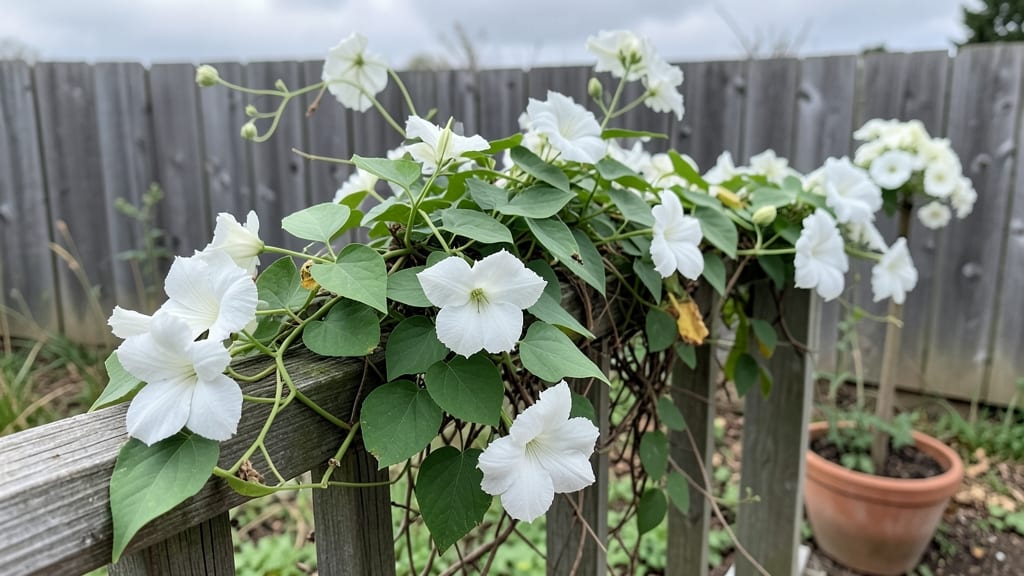
Deck rail plants transform bare wood into a lush, colorful border that feels like a vacation every time you step outside. 🌿 I used to think deck railings were just functional until I discovered how trailing plants could soften edges, add privacy, and bring life to what was once dead space.
The right choices—like drought-resistant varieties—mean less watering and more time enjoying your outdoor oasis instead of fussing over wilting foliage.
Think trailing sedum, lobelia, or bougainvillea for vibrant cascades that spill over railings without overwhelming your space. These plants thrive in 5-7 inches of soil depth in containers or pockets, and most handle full sun to partial shade—perfect for decks that get morning sun or afternoon shade.
Spacing matters too: 12-18 inches apart keeps them from crowding while filling gaps beautifully. The best part? Many stay evergreen or semi-evergreen, so your deck never looks bare, even in winter.
You’ll end up with a deck that feels like a curated garden escape—soft to touch, fragrant on warm evenings, and packed with year-round interest. The trailing habit creates a natural privacy screen without blocking views, while the colors pop against wood or metal railings.
Plus, these plants attract pollinators, turning your deck into a mini ecosystem. Here’s how to pick the perfect mix for your space and sunlight conditions.
Works for any deck style, from modern minimalist to rustic farmhouse, and adapts to containers or built-in pockets. The key is matching plants to your light and maintenance style—low-fuss doesn’t mean low-impact. Let’s get your railings blooming!
📚 In This Guide
- What you need
- Instructions
- Tips and common mistakes
- Wrapping up and next steps
What you need
- ● Drought-resistant plants (5–10 per rail, depending on length): Lantana (compact varieties, 1–2 per foot)
- ● Succulents (e.g., Sedum or Echeveria, 3–5 per rail)
- ● Salvia (dwarf varieties, 1–2 per foot)
- ● Verbena (trailing types, 2–3 per rail)
- ● Growing medium: Well-draining potting mix (10–15 cubic feet, depending on rail size)
- ● Perlite or pumice (1–2 bags, for aeration)
- ● Containers: Hanging baskets or planters (5–10, 8–12 inches deep)
- ○ Coir or plastic liners (optional, for baskets)
- ● Mulch: Dried pine bark or gravel (1–2 bags, for moisture retention)
- ● Gloves (1 pair, for handling plants)
- ● Trowel or small shovel (for planting)
- ● Pruners (for trimming)
- ● Measuring tape (to space plants evenly)
- ● Watering can or hose with spray nozzle (for initial watering)
- ● Sunlight assessment: Ensure your deck rail gets at least 6 hours of sunlight daily (most drought-resistant plants thrive in full sun).
- ● Weather check: Plant on a cool, overcast day to reduce stress on plants.
- ● Rail stability: Confirm your rail can support the weight of containers and plants (most wood/vinyl rails handle 10–20 lbs per square foot).
Step-by-Step instructions for selecting and planting deck rail plants
Transform your deck into a vibrant oasis with these tough, drought-resistant plants that thrive year-round.
🌱 Step 1: Choose the Right Drought-Resistant Varieties
Start with plants that handle heat, dry spells, and occasional wind—perfect for exposed railings. I always opt for succulents like sedum or echeveria for their water-storing leaves, or hardy perennials like lavender and salvia that bloom reliably with minimal care. Check your local hardiness zone to ensure the plants you pick can handle your climate's extremes.
For instant color, petunias or geraniums (like 'Rozanne') are excellent choices—they cascade beautifully and bounce back after drought. Avoid anything with broad, delicate leaves; those wilt faster when exposed to afternoon sun. I like to mix textures: spiky yucca alongside soft helichrysum for contrast.
🪴 Step 2: Select Containers and Planting Medium
Use 1-gallon fabric grow bags or 6-inch terracotta pots with drainage holes—these prevent root rot while keeping plants lightweight for railings. If your deck has metal railings, add a plastic liner to pots to avoid heat damage. Fill containers with a well-draining potting mix (I blend 50% cactus/succulent mix with 50% perlite for extra airflow).
Pre-moisten the mix until it’s damp but not soggy—you want roots to establish without sitting in water. I always add a slow-release fertilizer (like 14-14-14) to the mix before planting, giving these thirsty plants a nutrient boost right away. Skip garden soil; it compacts and suffocates roots in containers.
☀️ Step 3: Plant and Position for Maximum Impact
Remove plants from their nursery pots and loosen roots gently if they’re root-bound. Place them in containers so the top of the root ball sits just below the rim—this prevents water from spilling over railings. For cascading varieties, tuck them toward the outer edge of the pot so stems drape elegantly. Press soil lightly around the base to secure plants, then water deeply until it drains from the bottom.
Position pots where they’ll get at least 6 hours of sunlight daily, but avoid harsh afternoon sun if your deck faces west—it can scorch tender foliage. I like to stagger heights: taller plants (like rosemary) in the back, mid-height bloomers (like veronica) in the middle, and trailing varieties (like string of pearls) at the front. This creates a layered, lush look.
💧 Step 4: Establish a Watering Routine
Water deeply every 3-5 days during the first month to help roots establish, then taper to once a week once plants are settled. Check soil moisture by sticking your finger 1 inch deep—if it’s dry, water until it runs out the drainage holes. Avoid overhead watering; it encourages fungal diseases. Instead, water at the base or use a drip irrigation system for precision.
Mulch with ½ inch of pebbles or coarse sand to slow evaporation and keep roots cool. This is especially critical in summer—without mulch, soil dries out faster, and plants struggle. I also group pots together to create a microclimate that retains moisture longer. Once established, these plants will thrive on rainfall alone.
✂️ Step 5: Prune and Maintain for Long-Term Beauty
Deadhead spent blooms weekly to encourage continuous flowering—this is non-negotiable for petunias and salvias. Trim leggy stems back by ⅓ in early spring to promote bushier growth. For succulents, pinch off any brown or damaged leaves immediately; they’re prone to rot if left unattended. I also rotate pots quarter-turn weekly so plants grow evenly toward the light.
Fertilize every 6-8 weeks with a balanced liquid fertilizer (like 10-10-10) during the growing season. In winter, reduce watering to once every 2-3 weeks unless temperatures drop below freezing. If frost threatens, move tender plants (like geraniums) indoors or cover them with frost cloth. With minimal upkeep, your deck will stay vibrant and lush year-round.
Tips & tricks for perfect deck rail plant arrangements
These game-changing tips will transform your deck railings into a thriving, low-maintenance garden that wows year-round!
Variety is Key: When selecting your drought-resistant plants, aim for a mix of textures and heights to create visual interest. I always pair spiky yucca or sedum with soft, cascading petunias or helichrysum—this contrast makes your arrangement pop. Remember, the goal is to create a layered look where taller plants (like rosemary) anchor the back, mid-height bloomers (like veronica) fill the middle, and trailing varieties (like string of pearls) spill over the edges. This creates that lush, abundant look without overwhelming your space.
Container Selection Matters: Don't underestimate the importance of your containers! The 1-gallon fabric grow bags or 6-inch terracotta pots mentioned in Step 2 are perfect, but consider adding a plastic liner if your deck has metal railings to prevent heat damage. For extra weight distribution, I like to use pots with built-in saucers that catch runoff—this keeps your deck clean and prevents water from pooling on railings. Pro tip: Choose containers with drainage holes to prevent root rot, and always use a well-draining mix (that 50% cactus/succulent blend with perlite is a game-changer!).
Lighting Strategy: The 6 hours of sunlight daily mentioned in Step 3 is non-negotiable for most drought-resistant plants, but timing matters too. If your deck faces west, be mindful of harsh afternoon sun—it can scorch tender foliage like geraniums or lavender. I recommend positioning pots where they get morning sun and afternoon shade. For east-facing decks, you can push the limits slightly—these plants can handle up to 8 hours of sun once established. The key is to observe how your plants respond and adjust their placement as the seasons change.
Watering Wisdom: Those initial 3-5 days of deep watering in Step 4 are crucial for root establishment, but don't overdo it! After the first month, tapering to once a week is perfect for most drought-resistant varieties. Here's my secret: I always check soil moisture by sticking my finger 1 inch deep—if it's dry, that's your cue to water. For extra efficiency, consider a drip irrigation system—it delivers water right at the base where plants need it most, reducing waste and fungal risks from overhead watering. And that ½ inch of pebbles or coarse sand as mulch? It's a total game-changer for summer heat—it keeps roots cool and slows evaporation.
Pro Tips for Deck Rail Plants
- These game-changing tips will transform your deck railings into a thriving, low-maintenance garden that wows year-round!
- Variety is Key: When selecting your drought-resistant plants, aim for a mix of textures and heights to create visual interest.
- Container Selection Matters: Don't underestimate the importance of your containers!
Frequently asked questions
Got questions about deck rail plants? You’re not alone! Here are some of the most common inquiries—plus straightforward answers to help you choose, plant, and maintain these drought-resistant beauties with confidence.
What are the best deck rail plants for full sun exposure?
For full sun, opt for hardy varieties like Lantana, Salvia, or Verbena. These thrive in heat and bright light, offering vibrant blooms year-round with minimal water. Sedum (stonecrop) is another top pick—it’s succulent, drought-proof, and perfect for hot, sunny spots.
How long does it take for deck rail plants to establish and bloom?
Most deck rail plants establish within 4–6 weeks after planting, but blooming can take 6–8 weeks for annuals or up to 3 months for perennials like Lantana. Patience pays off—consistent watering (especially in the first month) speeds up root growth and encourages faster flowering.
Do deck rail plants need daily watering?
Not at all! The beauty of deck rail plants is their drought resistance. Water deeply once a week (or when soil feels dry 2 inches down) for the first month. After that, water every 2–3 weeks unless your area experiences extreme heat. Overwatering is the real enemy—it leads to root rot.
Can I use deck rail plants in containers instead of in the ground?
Containers are ideal for small spaces or renters. Choose well-draining pots (at least 12 inches deep) and use a cactus/succulent mix for optimal growth. Just ensure pots have drainage holes and move them to partial shade during peak afternoon sun in hot climates.
What pests should I watch for with deck rail plants?
Keep an eye out for aphids, spider mites, and whiteflies, which love tender new growth. Spray plants with neem oil or a mild soap solution if you spot pests. Lantana and Salvia are relatively pest-resistant, but regular inspections prevent infestations before they start.
Wrapping up and next steps
Deck rail plants are the perfect way to add low-maintenance, drought-resistant beauty to your outdoor space—no matter the season! 🌿 From vibrant lantana to hardy sedum, these plants thrive with minimal care while delivering year-round color and texture.
Whether you're a busy homeowner or a green-thumb enthusiast, they’re an easy win for curb appeal and eco-friendly landscaping.
Ready to transform your deck? Start small! Pick one or two plants from this guide, gather your supplies, and get planting—your deck (and neighbors) will thank you. Need a refresher? Check out the materials checklist to ensure you’re prepped for success. Happy gardening! 🌸