Companion Plants
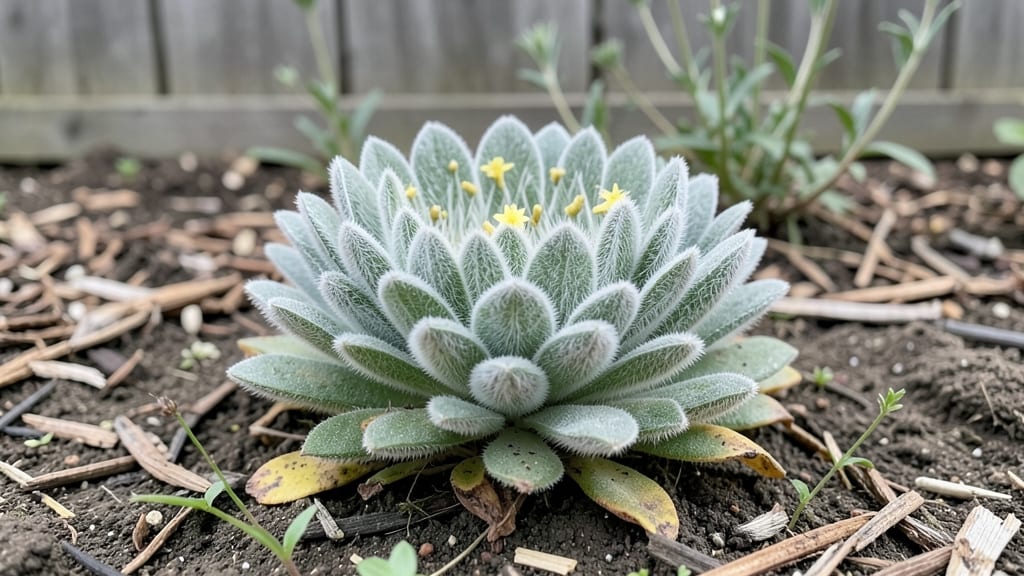
Growing plants in high-altitude regions means working with what nature gives you—thin air, intense sun, and shorter seasons. ✨ I’ve learned that the right plant choices and a few smart adjustments can turn those challenges into thriving gardens, even above 5,000 feet.
The key is selecting hardy varieties like alpine strawberries, cold-resistant kale, and wind-tolerant shrubs that naturally handle altitude stress. Soil prep matters too—amending with compost and using raised beds helps roots establish faster in rocky or poorly drained areas.
Watering becomes critical; drip irrigation or soaker hoses prevent moisture loss from high winds.
With proper mulching and frost cloths, you’ll extend the growing season and protect tender plants from late frosts. The payoff? A garden that produces reliable harvests despite the altitude—think crisp greens, sweet berries, and fragrant herbs that outperform store-bought any day. Let’s get those plants growing strong.
This approach works for mountain gardens, high deserts, or even urban rooftops at elevation. The same principles apply whether you’re planting a small container garden or a full raised bed. Ready to make your high-altitude garden shine?
📚 In This Guide
- What you need
- Instructions
- Tips and common mistakes
- Wrapping up and next steps
What you need
- ● High-altitude-adapted seeds or seedlings: 1–2 lbs of seeds (e.g., barley, potatoes, quinoa, or hardy perennials like Symphyotrichum)
- ● Seedlings from local nurseries familiar with alpine/high-altitude gardening
- ● Well-draining soil: 5–10 cubic yards (amend with compost or peat moss for better aeration)
- ● Raised beds or containers: 2–4 beds (12"–18" deep) or large pots (10+ gallons) with drainage holes
- ● Mulch: Straw, wood chips, or gravel (3–5 inches) to insulate roots and retain moisture
- ● Drip irrigation system: Low-flow emitters (0.5–1 GPH) to prevent water waste in dry climates
- ● Windbreaks: Burlap sacks, trellises, or shrubs (e.g., Juniperus) to shield plants from harsh winds
- ● Thermometer & hygrometer: Digital probes to monitor soil and air temperatures (critical for high-altitude gardening!)
- ● Cold-frame or mini greenhouse (for extending growing seasons)
- ● Row covers (frost cloth or shade cloth, 30–50% coverage)
- ● Organic fertilizer (low-nitrogen, high-phosphorus blend for root development)
- ● Soil pH test kit (ideal range: 6.0–7.0 for most high-altitude plants)
- ● Pruning shears (for managing hardy perennials)
Step-by-Step guide to selecting and cultivating high altitude plants
Here’s how to choose and grow plants that thrive above 5,000 feet—where cooler temps and thinner air demand smarter strategies.
🌱 Step 1: Choose Native or Adapted Plant Varieties
Skip tender annuals and instead focus on hardy perennials, alpine species, and cold-resistant cultivars. Native plants like columbine, penstemon, and blanket flower already know how to handle high-altitude stress. If you’re growing vegetables, opt for short-season varieties like early maturing potatoes, hardy kale, or cold-tolerant peas—they finish before summer heat sets in.
Check seed packets for "high-altitude tested" labels or look for plants labeled "USDA Zone 5 or higher"—these are bred to handle shorter growing seasons. I always cross-reference with local nursery recommendations, as some regions have microclimates that extend growing windows slightly.
☀️ Step 2: Adjust Watering for Thin Air and Faster Evaporation
High-altitude soil dries out 20-30% faster than at lower elevations, so water deeply but less frequently. Use the "finger test"—stick your finger 2 inches into the soil. If it feels dry, water until moisture reaches 4-6 inches deep. Overwatering here leads to root rot just as quickly as underwatering.
Mulch heavily with 3-4 inches of straw or wood chips to lock in moisture and regulate soil temperature. I’ve found that drip irrigation works best—it delivers water slowly at the roots, reducing evaporation. Water in the early morning to minimize loss from afternoon winds and sun.
🌿 Step 3: Extend the Growing Season with Smart Timing
Start seeds indoors 6-8 weeks before your last frost date—high-altitude seasons are shorter and cooler. Use grow lights to give seedlings 14-16 hours of light daily, since natural daylight is weaker. Transplant outdoors only after soil reaches 50°F, and choose warm afternoons to reduce shock.
For late-season crops, use row covers or cold frames to trap heat and protect plants from unexpected frosts. I’ve kept spinach and lettuce growing well into October this way. If you’re in Zone 6 or higher, consider low tunnels for early spring starts—they add 5-10°F of warmth and jumpstart the season.
✂️ Step 4: Protect Plants from Harsh Wind and UV
Wind at high elevations can dry out foliage and stunt growth, so use windbreaks like bamboo fencing, shrubs, or even straw bales on the exposed side of your garden. Place taller plants like sunflowers or hollyhocks on the windward side to act as natural barriers for smaller crops.
UV levels are also intense at altitude, so monitor plants for sunburn (white or yellow patches on leaves). If you notice this, provide light shade with floating row covers or shade cloth during peak afternoon sun. Succulents and alpine plants handle UV well, but most vegetables and flowers appreciate some afternoon relief.
🪴 Step 5: Fertilize for Nutrient Uptake in Thin Soil
High-altitude soils often lack organic matter and nutrients, so amend beds with compost before planting. Use a balanced, slow-release fertilizer (like 10-10-10) at planting time, then switch to a low-nitrogen, high-phosphorus formula (like 5-10-10) when flowers or fruits form. Avoid high-nitrogen fertilizers—they promote leafy growth but weaken roots in cool conditions.
I like to side-dress with well-rotted manure or compost tea mid-season to give plants a steady nutrient boost. Monitor leaves for yellowing between veins (a sign of magnesium deficiency) and treat with Epsom salt (1 tablespoon per gallon of water) if needed. High-altitude plants often need more micronutrients than their lowland cousins.
Tips & tricks for perfect high altitude plant cultivation
These battle-tested strategies will help your high-altitude garden thrive where others struggle.
Selection Tip: When choosing plants in Step 1, prioritize those labeled "high-altitude tested" or "USDA Zone 5+". I've found that native alpine species like columbine and penstemon often outperform commercial varieties at elevations above 5,000 feet. For vegetables, look for "early maturing" labels—these varieties complete their life cycle before summer heat arrives, which can be 2-3 weeks earlier than at lower elevations.
Watering Wisdom: The 2-inch finger test in Step 2 works perfectly, but I've added one extra check: tap the soil lightly—if it makes a hollow sound, it's bone dry and needs water. High-altitude soils often have large air pockets that mask moisture levels. For container plants, water until you see moisture emerge from the drainage holes, then let them dry slightly before watering again. Early morning watering is critical—afternoon winds can evaporate up to 40% of surface moisture within hours.
Lighting Strategy: Those 14-16 hours of grow light in Step 3 make all the difference for seedlings. I've noticed that using full-spectrum LED bulbs (6,500K color temperature) produces stockier, healthier plants than standard white bulbs. Place lights just 2-3 inches above seedlings and adjust height as they grow—too much distance reduces effectiveness. For natural light, supplement cloudy days with additional grow lights to maintain that critical light duration.
Season Extension Hack: The 50°F soil temperature threshold in Step 3 is your best guide, but I've found that adding a 3-inch layer of black landscape fabric under row covers adds an extra 2-3°F of warmth. This simple trick lets me transplant spinach and lettuce 7-10 days earlier in spring. For late-season protection, I've had success with clear plastic row covers that trap solar heat during the day while still allowing light through—just remove them during warm afternoons to prevent overheating.
Pro Tips for High Altitude Plants
- These battle-tested strategies will help your high-altitude garden thrive where others struggle.
- Selection Tip: When choosing plants in Step 1, prioritize those labeled "high-altitude tested" or "USDA Zone 5+".
- Watering Wisdom: The 2-inch finger test in Step 2 works perfectly, but I've added one extra check: tap the soil lightly—if it makes a hollow sound, it's bone dry and needs water.
Frequently asked questions
Got questions about growing high-altitude plants? You’re not alone! Here are some of the most common queries—and their answers—to help you thrive in thin air.
How do I know if my plants are adapted to high altitudes?
Look for native species like Andes potatoes, Tibetan barley, or Himalayan rhododendrons. These plants naturally handle cold, low oxygen, and UV exposure. Check seed packets or local nurseries for "high-altitude" labels or hardiness zones (typically 5-7+). If unsure, start with cold-hardy annuals like calendula or nasturtiums—they’re forgiving!
When is the best time to plant high-altitude crops?
Wait until after the last frost (usually late May-June in zones 5-7) and when soil temps hit 45°F+ for root crops. For tender plants (e.g., quinoa), delay until mid-June to avoid frost. Use row covers for early starts. Pro tip: Plant in late afternoon to reduce stress from intense UV rays.
How often should I water high-altitude plants?
Water deeply but infrequently—thin air means soil dries faster. Aim for 1-1.5 inches per week, but check soil moisture 2" down (it should be dry between waterings). Mulch heavily (straw or wood chips) to retain moisture. Drip irrigation is ideal to avoid evaporation. Overwatering is worse than underwatering!
Can I grow high-altitude plants in containers?
Yes! Use large pots (12"+ diameter) with well-draining soil mixed with perlite or sand. Choose compact varieties like dwarf potatoes or Alpine strawberries. Place containers in south-facing spots for max sunlight. Move them indoors or under covers if night temps drop below 40°F. Containers heat up faster—water early in the day.
What pests or diseases should I watch for?
High-altitude gardens face fewer pests (thank thin air!), but keep an eye out for:
- Cabbage moths (on brassicas like kale)
- Fungal issues (e.g., powdery mildew) due to wide temp swings—space plants for airflow.
- Root rot from overwatering (use raised beds if drainage is poor).
Neem oil or companion planting (e.g., garlic with potatoes) often works better than chemicals in high elevations.
Wrapping up and next steps
High-altitude gardening isn’t just possible—it’s a rewarding challenge that connects you to nature’s resilience! 🌿 By selecting hardy plants, optimizing soil, and leveraging natural microclimates, you can cultivate thriving gardens even in thin air.
Whether you're a seasoned gardener or a curious beginner, these techniques prove that altitude is no barrier to creativity.
Ready to take the next step? Start small—try growing a few cold-hardy herbs or native flowers in containers to test your setup. Before you know it, you’ll be transforming your high-altitude space into a lush, vibrant oasis! 🌱