
Pruning
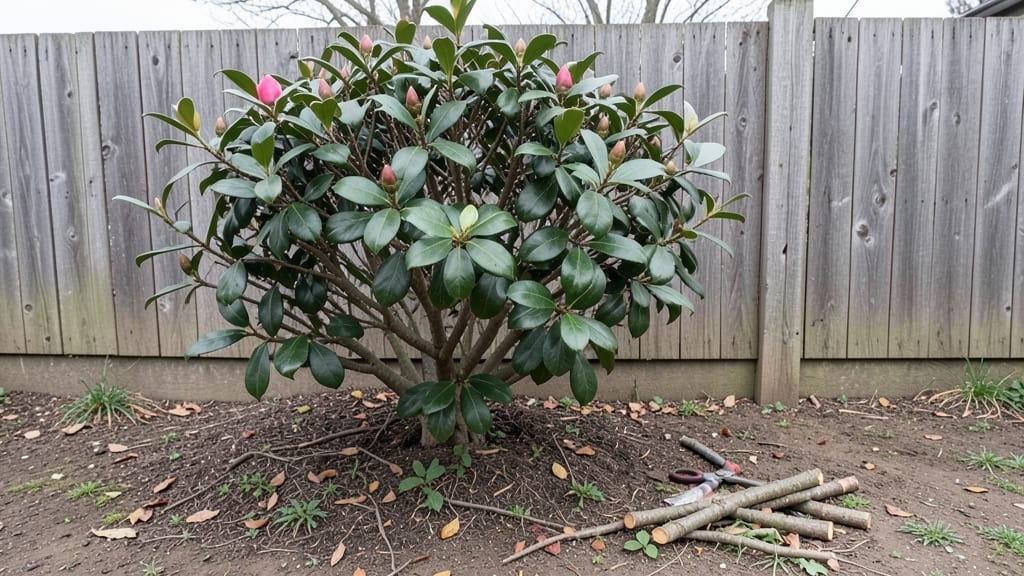
Pruning Japonica plants transforms them from wild shrubs into showstopping garden features—if you do it right. I’ve spent years shaping my Camellia japonica, and the difference between a lanky, leggy mess and a neat, blooming masterpiece comes down to timing, technique, and avoiding three critical mistakes most gardeners make.
The key? Pruning when the plant is dormant but before new growth kicks in.
You only need a few simple tools: sharp bypass pruners for clean cuts, rubbing alcohol to sterilize them between cuts, and a sturdy ladder if your plant is taller than you are. The real secret isn’t how much you cut—it’s where.
Focus on removing dead or crossing branches first, then shape by thinning out the oldest wood to encourage fresh, vibrant growth. This isn’t about hacking back growth; it’s about guiding the plant’s energy where you want it.
By late spring, you’ll see the payoff: fuller foliage, more blooms, and a shape that makes your neighbors do a double-take. The plant stays healthier longer, too, because you’re not just trimming for looks—you’re preventing disease and pests by improving airflow.
And the best part? You can adjust the shape throughout the year, as long as you avoid pruning right after flowering.
Whether you’re dealing with a young sapling or a mature shrub, these techniques work for any size Japonica. The only rule? Don’t wait until the plant is already struggling—consistent, light pruning keeps it thriving all year.
Let’s get started with the exact steps that’ll have your Camellia looking like a pro’s work.
Root Causes of Overgrowth Issues
Pruning your Japonica (often Gardenia jasminoides) isn’t just about aesthetics—it’s a response to how the plant naturally grows. Without understanding why your Japonica might need aggressive pruning, you risk stressing the plant or missing key growth signals.
Here’s a breakdown of the core reasons behind overgrowth, legginess, or unruly branching—and how science explains them.
Light deprivation is the #1 trigger for etiolation, a term for when plants stretch wildly toward light sources. Japonica plants are tropical natives, meaning they thrive in bright, indirect sunlight (think dappled shade under trees).
When placed in low-light spots—like deep shade, north-facing windows, or indoors—they start producing long, weak stems and sparse foliage.
Why it happens:
- Phytochrome disruption: This plant hormone detects light quality. In low light, phytochrome shifts into a "Pfr" form, signaling the plant to elongate stems (a survival tactic to reach sunlight).
- Reduced chlorophyll: Less light = fewer photosynthesis sites, so the plant diverts energy to leaf spacing instead of density.
- Weak cell walls: Stems grow thinner and less rigid, making them prone to snapping under their own weight.
Actionable fix: 💡 Spot-check your Japonica’s light. If stems are longer than 6 inches between leaves or leaning, it’s a red flag. Move it to a south- or west-facing spot (or supplement with a grow light for 4–6 hours/day).
Japonica plants are surface-rooted—they spread horizontally just below the soil, not deep. When roots become root-bound (circling the pot) or overcrowded (too many plants in one container), they can’t absorb nitrogen, phosphorus, or potassium efficiently. This triggers a growth spurt as the plant scrambles for resources.
Why it happens:
- Oxygen starvation: Compacted roots suffocate, slowing nutrient uptake. The plant responds by prioritizing stem elongation over leaf or flower production.
- Hormonal feedback loop: Overcrowded roots produce more ethylene gas, a hormone that inhibits root growth and stimulates shoot growth (leading to leggy stems).
- Waterlogging: Poor drainage (common in clay pots or heavy soil) forces roots to compete aggressively, causing weak, watery stems.
Actionable fix: ✨ Check root health: Gently remove the plant from its pot. If roots are circling the bottom or matted, it’s time to repot into a container 2 inches wider with well-draining soil (add perlite or orchid bark). 🌡️ Pro tip: After repotting, trim 1/3 of the roots with sterilized scissors to encourage new, healthier growth.
Japonica plants follow a natural growth cycle, but if you miss the optimal pruning windows, they’ll overcompensate with uncontrolled branching or flowering stress. The two biggest seasonal triggers:
- Spring Flush (March–May): - Why it happens: After winter dormancy, the plant releases stored energy into new shoots.
If you prune too late in spring, you’ll cut off buds just as they’re forming, leading to lopsided growth. - Science: The hormone auxin (produced in new leaves) suppresses lateral buds. If you prune after auxin peaks, the plant will shoot upward instead of bush out.
- Summer Heat Stress (June–August): - Why it happens: High temperatures increase respiration rates, meaning the plant burns energy faster than it produces it.
To survive, it sends out rapid, weak growth to maximize leaf surface area for cooling. - Science: Heat triggers abscisic acid (ABA), a stress hormone that reduces root growth and promotes shoot elongation—leading to floppy, sun-scorched stems.
Actionable fix: 🔥 Prune in early spring (Feb–March) to shape before the growth surge or late summer (Aug–Sept) to prep for fall dormancy. 🎯 Avoid pruning in mid-summer unless removing dead wood—new cuts will struggle to heal in heat.
Hidden pests (like spider mites, scale, or whiteflies) or fungal infections (such as powdery mildew) sap the plant’s energy, forcing it to prioritize survival over structure.
Infestations often go unnoticed until the damage is visible as yellowing leaves, sticky residue (honeydew), or black sooty mold.
Why it happens:
- Nutrient theft: Pests pierce cells to feed, disrupting sugar transport (phloem). The plant starves leaves and overproduces stems to compensate.
- Fungal competition: Diseases like root rot or leaf spot block stomata, reducing photosynthesis. The plant sends out weak, sparse growth to conserve energy.
- Secondary stress: Damaged leaves can’t regulate temperature, leading to heat or cold stress, which triggers hormonal imbalances.
Actionable fix: 🔪 Inspect leaves weekly for pests (use a magnifying glass). 💪 Treat with neem oil (for pests) or copper fungicide (for mildew) before pruning—never prune infected branches without sterilizing tools first (70% isopropyl alcohol).
Some Japonica cultivars (like ‘Radicans’ or ‘Veitchii’) are naturally more prone to elongation due to their parentage or breeding. If your plant inherited fast-growing, weak-stemmed traits, pruning becomes a year-round maintenance task rather than a corrective measure.
Why it happens:
- Hybrid vigor: Many commercial Japonicas are crossbred for flowers, not structure. Fewer lateral buds mean longer internodes (spaces between leaves).
- Juvenile phase: Young plants (under 2 years old) focus energy on height before branching out. This is normal but frustrating for gardeners expecting bushy growth.
Actionable fix: 🌡️ Pinch back tips every 6–8 weeks to encourage bushiness (even on mature plants). ✨ Choose dwarf varieties like ‘Kleim’s Hardy’ if legginess is a recurring issue—they’re bred for compact growth.
Fixing Common Pruning Problems
Now that you know why your Japonica plant might be struggling with pruning, let’s tackle the how—with clear, actionable fixes tailored to each issue. Whether your plant is looking leggy, overgrown, or just plain sad, these solutions will get it back on track.
We’ll also share prevention tips to keep your Japonica thriving year-round.
Cause: Skipping regular pruning or letting branches grow too long without shaping. Fix:
- 🔪 Trim Back Aggressively (Spring or Early Summer) Use clean, sharp pruners to cut back overgrown branches by one-third to restore balance. Focus on removing:
- Crossing or rubbing branches (they weaken the plant).
- Leggy stems (cut just above a leaf node or bud).
- Dead or yellowing leaves (snip at the base).
- Pro Tip: If your Japonica is a shrub, aim for a rounded, natural shape—this encourages bushier growth.
- 🌱 Encourage New Growth After pruning, fertilize with a balanced, slow-release fertilizer (like 10-10-10) to help it recover. Water deeply to reduce stress.
Prevention: ✅ Prune every 4–6 weeks during the growing season (spring to fall) to avoid drastic cuts later. ✅ Monitor growth—if branches start stretching too fast, prune early to maintain shape.
Cause: Too little light or inconsistent pruning, causing weak, stretched-out growth. Fix:
- 🌞 Boost Light Exposure Move your Japonica to a sunnier spot (6+ hours of direct sunlight daily). If indoors, place it near a south-facing window or use a grow light.
- 🍳 Pinch Back New Growth Once your plant has 4–6 sets of true leaves, pinch off the top 2 inches of the main stem.
This forces the plant to branch out instead of growing tall and weak. - For mature plants: Trim the top 1–2 inches of leggy stems to encourage side shoots.
Prevention: 💡 Rotate the plant every few weeks so all sides get even light. 💡 Use a light meter (if growing indoors) to ensure 10,000–15,000 lux for optimal growth.
Cause: Overwatering, underwatering, nutrient deficiency, or disease. Fix:
- 💧 Check Watering Habits
- If leaves are yellow & mushy: You’re overwatering. Let the top 1–2 inches of soil dry out between waterings.
- If leaves are crispy & brown: You’re underwatering. Water deeply until it drains from the bottom, then wait until the topsoil is dry.
- 🌱 Trim Damaged Foliage Use sterilized pruners to snip off yellow or brown leaves at the base. This prevents disease spread.
- 🍎 Feed for Recovery Apply an iron or nitrogen-rich fertilizer (like fish emulsion) if leaves are pale or stunted. For brown edges, a calcium supplement may help.
Prevention: ✅ Water at the base (not overhead) to prevent fungal issues. ✅ Use well-draining soil (mix in perlite or sand if needed). ✅ Inspect leaves weekly for pests (like spider mites) or fungal spots.
Cause: Disease, pests, or physical damage (like storms or pets). Fix:
- 🔪 Remove Dead Wood Immediately Cut dead branches back to healthy green wood (or the main stem if no green remains). Sterilize pruners with rubbing alcohol between cuts to avoid spreading pathogens.
- 🛡️ Treat for Pests/Disease
- Fungal issues (black spots, powdery mildew): Spray with neem oil or copper fungicide.
- Pests (aphids, scale): Wipe leaves with soapy water or apply insecticidal soap.
Prevention: 💡 Prune during dry weather to reduce fungal risks. 💡 Space plants properly for airflow (3–4 feet apart).
Cause: Dormancy, poor soil, or lack of nutrients. Fix:
- 🌱 Refresh the Soil If your Japonica isn’t growing, it may need fresher soil. Gently remove the top 2–3 inches of soil and replace it with compost-rich potting mix.
- 💥 Give It a Growth Boost
- Outdoors: Top-dress with compost or worm castings.
- Indoors: Use a slow-release granular fertilizer in spring.
Prevention: ✨ Repot every 2–3 years to avoid root-bound stress. ✨ Test soil pH (ideal: 6.0–7.0 for Japonicas).
- 📅 Prune at the Right Time:
- Spring (March–April): Best for shaping and removing winter damage.
- Summer (June–August): Light pruning to encourage blooms (if your variety flowers).
- Avoid pruning in fall/winter—the plant needs energy to recover.
- 🔪 Sharpen Your Tools: Dull pruners crush stems, inviting disease. Hone them with a file or sharpening stone before each session.
- 🌟 Keep a Pruning Journal: Note when you prune, how the plant responds, and any issues that arise. This helps you adjust your approach next time.
With these fixes, your Japonica will bounce back stronger—and with a little consistent care, it’ll stay lush, shaped, and healthy all year. Happy pruning! 🌿✂️
Frequently asked questions
When is the best time of year to prune my Camellia japonica?
Prune your Camellia japonica in late winter to early spring (February–March) when the plant is still dormant but before new growth begins. This timing ensures you don’t accidentally remove next year’s flower buds, which form in late summer. Avoid pruning after flowering season—this can reduce next year’s bloom count.
How much can I trim back my Japonica plant without harming it?
For established shrubs, you can safely remove up to one-third of the plant’s total growth in a single session. Focus on thinning out old, woody branches from the center and cutting back leggy stems to just above a leaf node. Young plants should only need light shaping—never remove more than 10-15% of their foliage at once.
What’s the difference between pruning for shape vs. pruning for health?
Health-focused pruning removes dead, diseased, or crossing branches year-round to improve airflow and prevent pests. Shape-focused pruning happens in late winter to create your desired form—think rounded tops or tiered layers. For Camellias, always prioritize health cuts first, then shape the remaining growth to maintain balance.
Why does my Japonica look sad after pruning?
Your plant may appear stressed if you pruned too late in the season (after flowering) or made uneven cuts that expose too much bare stem. Always use sterilized tools and cut at a 45-degree angle just above a leaf node. After pruning, give it extra water and a balanced fertilizer to help it recover within 4-6 weeks.
Can I prune my Japonica indoors differently than outdoors?
Indoor plants need more frequent light pruning (every 6-8 weeks) to compensate for lower light levels. Focus on pinching back leggy stems and rotating the plant regularly for even growth. Outdoors, you can prune less often (once or twice a year) since natural light and weather conditions stimulate fuller growth. Both require sharp tools and sterilization between cuts.