
Companion Plants
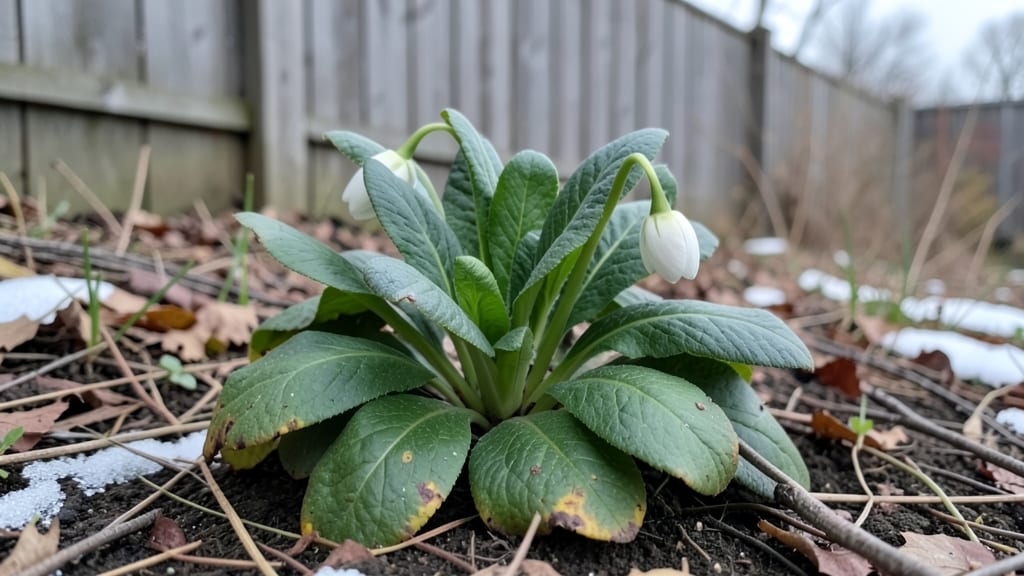
Over-wintering plants isn’t just about survival—it’s about transforming your garden into a year-round sanctuary where cold-hardy perennials and even some annuals thrive despite frost. 🌿 I’ve learned the hard way that proper preparation means the difference between brown stems in spring and lush, established plants ready to burst into growth as soon as the soil warms.
The secret lies in three simple layers: selecting the right plants (like Russian sage, lavender, or hardy herbs), protecting their roots with thick mulch, and shielding tender foliage with burlap or frost cloth.
Even annuals like basil or geraniums can be dug up, trimmed back, and stored in pots over winter—though it takes patience and a watchful eye for rot or pests.
By spring, you’ll have plants that look stronger than store-bought transplants, with established root systems and fewer transplant shocks. The payoff? A garden that blooms earlier, resists pests better, and saves you time and money every season.
Here’s how to make it happen in your climate, whether you’re in Zone 3 or Zone 8.
Fair warning: Over-wintering isn’t one-size-fits-all. Perennials in colder zones need deeper mulch and windbreaks, while milder climates might only require pruning and a light covering. Let’s break down the exact steps for your conditions—so you can wake up to a garden that’s already ahead of the game.
📚 In This Guide
- What you need
- Instructions
- Tips and common mistakes
- Wrapping up and next steps
What you need
- ● Cold-hardy plants: Choose from perennials like lavender, sedum, or Russian sage (check your USDA Hardiness Zone for specifics!).
- ● Containers (if potting): 5–10 gallon pots with drainage holes (terracotta or plastic).
- ● Potting mix: Well-draining, organic mix (e.g., 60% peat moss, 30% perlite, 10% compost). Quantity: Enough to fill containers or amend garden beds (1–2 cubic yards for in-ground plants).
- ● Mulch: Straw, shredded leaves, or wood chips (3–4 inches thick). Pro tip: Avoid fresh grass clippings—they mat down and suffocate roots! 🌡️
- ● Frost cloth: 30–50g weight (lightweight for early frost, heavier for prolonged cold). Size: Large enough to drape over plants or containers.
- ● Garden trowel or spade: For transplanting or amending soil.
- ● Pruners: Sharp, clean pair for trimming dead foliage.
- ● Watering can or hose with spray nozzle: For gentle hydration (avoid soaking!).
- ○ Thermometer (optional): Soil or air thermometer to monitor temps (aim for above 20°F for most cold-hardy plants).
- ○ Stakes or cages (optional): To support tall or top-heavy plants (e.g., lavender or rosemary).
- ● Sunlight assessment: Note your garden’s exposure (full sun, partial shade, etc.)—some plants need at least 6 hours of sun daily even in winter.
- ● Drainage check: Ensure containers or garden beds have no standing water (root rot is a winter nemesis!).
- ● Weather forecast: Know your first/last frost dates (use Almanac’s frost calculator).
Step-by-step instructions for over-wintering cold-hardy plants
Here's how to keep your favorite plants thriving through winter with minimal fuss.
🌱 Step 1: Identify and Prepare Your Cold-Hardy Plants
Start by selecting plants known to tolerate cold temperatures—think rosemary, thyme, oregano, lavender, and hardy perennials like sedum or Russian sage. These varieties can handle 20-30°F without extra protection. Before the first frost, give them a final trim to remove dead or diseased foliage—this prevents rot and encourages new growth in spring.
Water deeply 1-2 weeks before the first hard freeze. The goal is to hydrate the roots thoroughly so they enter dormancy with stored moisture. You'll know they're ready when the soil feels uniformly damp 6 inches down. Avoid overwatering now—soggy roots freeze faster.
🪴 Step 2: Mulch Heavily to Insulate Roots
Spread a 4-6 inch layer of mulch around the base of each plant, leaving 1-2 inches of space between the mulch and the stems. I use shredded bark or straw because they break down slowly and provide long-term insulation. This layer traps heat radiating from the soil and protects roots from temperature swings.
Don't pile mulch against the stems—this creates moisture pockets that invite rot. Instead, create a gentle slope away from the plant. For added protection, cover the mulch with a lightweight frost blanket or even a thick layer of fallen leaves. Check periodically to ensure no gaps form.
☀️ Step 3: Protect Leaves and Foliage
Once temperatures drop below 25°F, shield delicate foliage with a breathable cover like burlap or a frost cloth. Secure it loosely—plants need airflow to prevent mold. For woody perennials like lavender, wrap the stems in burlap or horticultural fleece to shield them from drying winter winds.
Watch for ice buildup on covers—this can weigh down branches. If you see ice forming, gently brush it off during the day when temperatures rise slightly. Avoid using plastic sheeting; it traps too much moisture and can smother plants.
⏰ Step 4: Monitor and Adjust Through Winter
Check your plants every 2-3 weeks during winter to ensure covers remain intact and mulch hasn't shifted. If heavy snow accumulates, brush it off gently to prevent branch breakage. You'll notice healthy plants have firm, brown stems and no signs of mold or rot.
If an unexpected warm spell arrives, remove covers during the day to allow plants to "breathe" and avoid overheating. Reapply them at night when temperatures drop again. This balance prevents stress and keeps plants in a natural dormancy state.
🌿 Step 5: Prune and Revitalize in Early Spring
Wait until late winter or early spring—when new growth appears—to prune back dead stems. You'll see fresh green shoots emerging from the base, signaling it's time to trim. Cut back one-third of the plant's height to encourage bushier growth and better air circulation.
Remove old mulch and replace it with fresh material in early spring to prevent nutrient depletion. Water lightly once the soil thaws, and you'll see new leaves within 2-3 weeks. This is your reward for over-wintering success!
Tips & tricks for perfect over-wintering cold-hardy plants
Here's what I've learned from years of keeping my herb garden and perennials thriving through winter—these tricks make all the difference.
The Right Time to Water: That 1-2 week window before the first hard freeze is critical. I test soil moisture by pushing a screwdriver 6 inches deep—if it comes out clean, water again. The goal is damp soil, not soggy. Overwatering now creates ice crystals that damage roots when they freeze. Think of it as giving your plants a final drink before their winter nap.
Mulch Matters More Than You Think: The 4-6 inch layer isn't just decoration—it's insulation! I use straw because it breaks down slowly and adds organic matter to the soil. Pro tip: Rake mulch away from stems to prevent rot, but don't skimp on the thickness near the base where roots need protection. A little extra mulch around lavender and rosemary goes a long way during those sub-25°F nights.
Covering Without Smothering: When temps drop below 25°F, I use burlap or frost cloth—not plastic. The secret is securing covers loosely so plants can breathe. I tie them with twine, leaving room for airflow. If you see ice forming, brush it off during daytime thaws. I've learned the hard way that heavy ice can snap delicate stems, especially on thyme and oregano.
Spring Revival Strategy: That one-third prune in early spring isn't just about looks—it's about health. When you see those fresh green shoots, cutting back encourages bushier growth. I replace old mulch in spring too, because decomposed mulch can deplete nutrients. A light watering once the soil thaws jumpstarts the season, and you'll see new leaves in just 2-3 weeks!
Pro Tips for Over Winter Plants
- Here's what I've learned from years of keeping my herb garden and perennials thriving through winter—these tricks make all the difference.
- The Right Time to Water: That 1-2 week window before the first hard freeze is critical.
- Mulch Matters More Than You Think: The 4-6 inch layer isn't just decoration—it's insulation!
Frequently asked questions
Got questions about keeping your plants thriving through winter? You’re not alone! Here are some of the most common concerns—and straightforward answers—to help you over-winter like a pro.
What’s the best temperature range for over-wintering plants?
Most cold-hardy plants thrive between 30°F and 50°F (-1°C to 10°C). Delicate perennials or tropical plants may need a cozy spot indoors (60°F–70°F or 15°C–21°C). Always check your plant’s USDA Hardiness Zone for guidance—some varieties can handle frost, while others need shelter!
When should I start preparing my plants for winter?
Begin 6–8 weeks before the first frost (usually late summer/early fall). This gives plants time to harden off, and you’ll have enough time to mulch, prune, or move them to a protected area. Late bloomers like Hellebores or Sedum can wait until after their foliage dies back.
Can I over-winter plants indoors, or do they need outdoor conditions?
It depends! Outdoor-hardy plants (like lavender or Russian sage) prefer cold dormancy, but tender perennials (e.g., Canterbury Bells) need indoor light and humidity. If bringing them inside, place them near a bright window or under grow lights to prevent leggy growth. Pro tip: Acclimate them gradually to avoid shock!
My over-wintered plant looks sad—what’s wrong?
Common issues include overwatering (let soil dry slightly in winter), lack of light (yellow leaves = move closer to a window), or pests (check for spider mites or scale). Prune dead foliage and fertilize lightly in early spring. If roots smell rotten, repot in fresh, sterile soil.
Are there any plants that don’t survive over-wintering?
Yes! Avoid annuals (like marigolds or petunias) and tender tropicals (e.g., banana plants or bougainvillea). Even some perennials (like Sweet Potato Vine) die back in frost. Stick to cold-hardy winners like Ornamental Grasses, Heuchera, or Salvia for foolproof survival.
Wrapping up and next steps
Over-wintering plants is all about strategic planning and a little extra care—but the rewards are worth it! With the right cold-hardy varieties, proper insulation, and seasonal adjustments, you can enjoy a thriving garden even when frost paints the landscape.
Whether you're a seasoned gardener or a curious beginner, these resilient plants prove that beauty and bounty don’t take a winter break. 🌱❄️
Ready to put your new knowledge to work? Start by auditing your garden—identify which plants can brave the cold and which might need a cozy spot or extra mulch.
Then, plan your winter prep like a pro: test soil health, gather supplies, and mark your calendar for seasonal check-ins. Your future self (and your garden!) will thank you. 💪