
Companion Plants
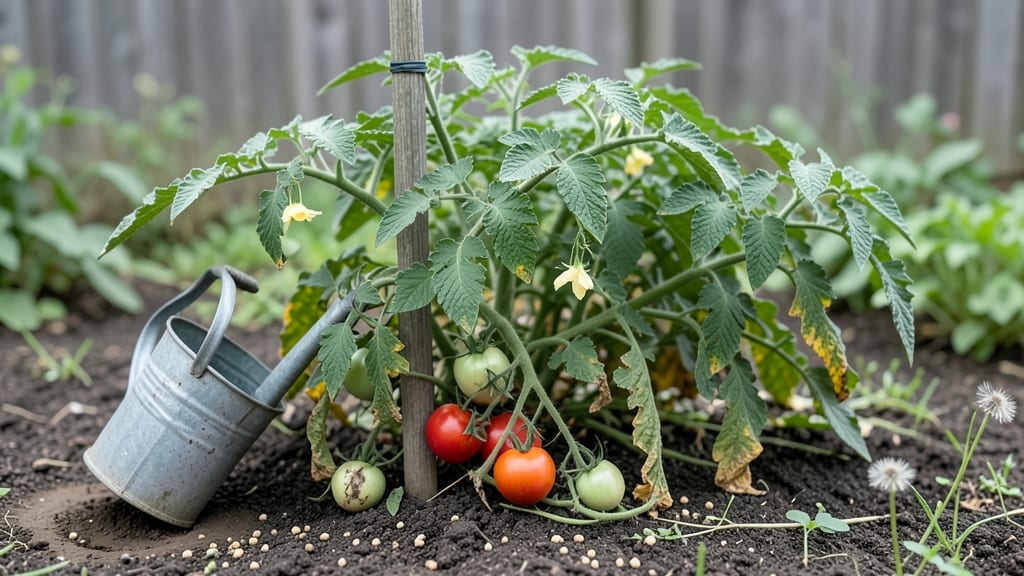
Overfeeding tomato plants turns your lush vines into crispy, nutrient-burned messes faster than you can say "blossom end rot." 🌱 I’ve watched healthy plants go from thriving to struggling in days just because of too much fertilizer—and I’ll show you exactly how to spot the signs before it’s too late.
The first clue is often leaf burn: crispy edges or yellowing between veins, like someone took a lighter to your plant. Then comes the stunted growth—thick, rubbery stems that refuse to produce fruit. Worst of all?
That white crust on the soil surface, a dead giveaway your tomatoes are drowning in salts and minerals. The good news? Flushing the soil with water and adjusting your feeding schedule can reverse this in under an hour.
Once you recognize the symptoms, fixing it is simpler than you’d think. A quick flush with plain water (yes, really) washes out excess salts, while switching to a balanced, organic fertilizer restores harmony.
Your plants will bounce back with stronger roots and better fruit production within weeks. Trust me, your tomatoes will thank you.
Prevention is even easier: test your soil before planting, feed lightly every two weeks, and always water after fertilizing. That way, you’ll avoid the heartbreak of watching your harvest fade away. Let’s get those tomatoes back on track!
Root Causes Of Over-Fertilized Tomatoes
When your tomato plants look like they’ve been hit by a fertilizer truck instead of a gentle rain, the blame usually falls on one (or more) of these common culprits.
Understanding why overfeeding happens is the first step to fixing it—before your plants throw in the trowel and refuse to grow. Let’s dig into the science behind the chaos.
🧪 Excessive Synthetic Fertilizer Application
Most gardeners reach for the bag of balanced NPK (nitrogen-phosphorus-potassium) fertilizer with good intentions—but too much of a good thing can backfire. Synthetic fertilizers deliver nutrients in concentrated doses, and tomatoes, being heavy feeders, can quickly become addicted to them. Here’s how it goes wrong:
- Salt buildup: Synthetic fertilizers (especially those high in nitrogen or potassium) dissolve into salts that accumulate in the soil. These salts disrupt osmosis, making it harder for roots to absorb water. Think of it like drinking a super-salty soda—your cells get dehydrated, and so do your tomato roots. 🌱💦
- Nutrient imbalance: Tomatoes need a precise ratio of nutrients (like 5-10-10 or 3-4-6 for fruiting stages). If you’re using a high-nitrogen fertilizer (e.g., 30-0-0), your plants will prioritize leafy growth over fruit production, leaving you with lush foliage but few tomatoes. Pro tip: Always check the label and adjust based on your plant’s growth stage!
- Burnt roots: Granular or spike fertilizers left too close to the stem can physically damage roots when they dissolve. This causes fertilizer burn, where roots turn brown and crispy—like overcooked pasta. 🍝🔥
🌱 Overzealous Organic Amendments
Organic doesn’t always mean “safe.” In fact, some natural amendments can be just as harmful when overused. Here’s how well-meaning gardeners accidentally smother their tomatoes:
- Manure overload: Fresh manure (especially cow, horse, or chicken) is a nutrient goldmine—but it’s also a microbe time bomb. Too much can heat up the soil (raising temperatures to unsafe levels for roots) and introduce harmful pathogens. Rule of thumb: Use composted manure, and apply it 3+ months before planting.
- Banana peels and coffee grounds: These are classic “garden hacks,” but they’re not balanced. Banana peels add potassium (great for fruit), but too many create an imbalanced pH and attract pests. Coffee grounds acidify soil—useful for blueberries, but tomatoes prefer a slightly acidic to neutral pH (6.0–6.8).
- Over-fertilized compost: If your compost pile is too rich in nitrogen (e.g., from grass clippings or food scraps), it can suppress fruiting and promote leafy growth. Test your compost first! A simple soil pH test kit can save your harvest.
💧 Irrigation Mismanagement
Water isn’t just for quenching thirst—it’s the delivery system for nutrients. If you’re overwatering after fertilizing, you’re essentially flushing nutrients straight past the roots. Here’s the breakdown:
- Leaching nutrients: Frequent deep watering (especially after applying fertilizer) can wash away nutrients before roots have a chance to absorb them. This is why drip irrigation or soaker hoses are better than overhead sprinklers—they deliver water (and fertilizer) directly to the root zone. 💧🌿
- Diluted nutrient uptake: If your soil is too wet, oxygen levels drop, and roots suffocate. This forces them to work harder to absorb nutrients, but they often fail—leading to nutrient lockout, where plants can’t access what’s already in the soil.
- Fertilizer runoff: Heavy rains or poor drainage can cause excess fertilizer to run off into nearby plants or waterways, polluting the environment and leaving your tomatoes starving. Solution: Use mulch to slow water absorption and keep roots moist (but not soggy).
⏳ Ignoring Plant Growth Stages
Tomatoes don’t eat the same “meal” their whole life—they have three key stages, each with different needs. Feeding them the wrong nutrients at the wrong time is like serving a steak to a baby: it’s a disaster waiting to happen.
| Stage | Nutrient Focus | What Happens If Overfed? |
|---|---|---|
| Vegetative (Early Growth) | High nitrogen (N) for leafy growth | Plants grow too many leaves, delaying flowering and fruiting. 🌿🚫🍅 |
| Flowering | Balanced NPK (e.g., 5-10-10) + phosphorus (P) for blooms | Excess nitrogen suppresses flowering; too much potassium (K) can cause blossom end rot. |
| Fruiting | High potassium (K) and calcium (Ca) for fruit development | Too much nitrogen stunts fruit size; excess salts delay ripening. |
Pro tip: Use a slow-release fertilizer or liquid feed (like fish emulsion) to match your plant’s needs at each stage. 🎯
🌡️ Soil pH Gone Rogue
Tomatoes are picky eaters when it comes to soil chemistry. If the pH swings too far from their ideal range (6.0–6.8), they can’t absorb nutrients—even if they’re sitting in a nutrient soup. Here’s how pH plays a role:
- Too acidic (pH < 6.0): Nutrients like phosphorus, calcium, and magnesium become locked up in the soil, making them unavailable. Tomatoes may show signs of deficiency (e.g., yellow leaves) even with “rich” soil.
- Too alkaline (pH > 7.0): Excess salts and high pH can burn roots and prevent uptake of micronutrients like iron and manganese. This leads to chlorosis (yellowing leaves) because the plant can’t access iron, even if it’s present. 🍃🚫💪
- Fertilizer-induced pH shifts: Ammonium-based fertilizers (like urea) can lower pH temporarily, while lime (often added to fix acidity) can raise pH over time. The result? A nutrient rollercoaster that confuses your plants.
Fix it: Test your soil every
Overfeeding your tomato plants can feel like a gardening disaster—but don’t panic! 🌱 With the right steps, you can reverse the damage and get your plants back on track. Below, we’ll map the most common causes of overfeeding to practical fixes, plus prevention tips to keep your tomatoes thriving. If your tomato plants are growing lush green leaves but no fruit, nitrogen overload is likely the culprit. Here’s how to correct it: Excessive fertilizer (especially synthetic) can cause salt buildup, making it hard for roots to absorb water. Here’s how to cleanse it: If your plants look wilting, yellowing, or have blackened stems, they may be struggling from a combo of overwatering and excess nutrients. Once your tomatoes recover, keep these habits to avoid overfeeding: ✅ Soil Test First – Check nutrient levels before planting.
✅ Follow Label Rates – Never exceed fertilizer application guidelines.
✅ Use Organic Amendments – Compost and worm castings release nutrients slowly.
✅ Monitor Plant Health Weekly – Adjust feeding if leaves turn dark green or growth stalls.
✅ Rotate Crops – Avoid planting tomatoes in the same spot yearly to prevent nutrient buildup. With these fixes, your tomato plants should bounce back in 2–4 weeks, producing juicy, healthy fruit instead of just foliage. Happy gardening! 🍅✨ Watch for crispy leaf edges (like someone burned them with a match) or yellowing between leaf veins. You might also spot a white crust on soil—this is salt buildup from excess fertilizer. Another red flag: plants grow lots of leaves but few tomatoes, or stems feel rubbery and weak. Feed every 2-3 weeks during growing season, using half the recommended dose on the package. For organic growers, switch to compost tea or worm castings instead of synthetic fertilizers—they release nutrients slowly. Always water plants first to help distribute fertilizer evenly. Yes! Start by flushing the soil with 1-2 gallons of water per plant over 3-4 days to leach out excess salts. Add compost or aged manure to improve soil structure, and switch to a balanced fertilizer (like 5-10-10). With proper care, plants typically recover in 2-4 weeks and start producing fruit again. Organic options (like fish emulsion or compost) are gentler because they release nutrients slowly, reducing burn risk. However, even organic amendments can cause problems if overused—especially fresh manure or banana peels. The key is balance: test soil first and follow application rates carefully, whether using organic or synthetic products. This is classic fertilizer burn, where excess salts damage leaf tissue. It often starts at leaf edges and spreads inward. To fix it, immediately flush the soil with water and avoid fertilizing for 2-3 weeks. Prune damaged leaves to help the plant recover faster.Fixing Overfed Tomato Plants Fast
🍳 Flush the Soil with Water
👨🍳 Add Organic Matter
🥘 Use a Balanced Fertilizer
🔥 Leach with Rainwater or Distilled Water
🌱 Mulch to Protect Soil
🎯 Test Soil pH & Adjust
🔪 Prune Damaged Foliage
⏰ Adjust Your Watering Schedule
💪 Switch to Slow-Release Fertilizer
Frequently asked questions
What are the first signs my tomato plants are overfed?
How often should I fertilize tomatoes to avoid overfeeding?
Can I save my tomato plants if I've already overfed them?
Is organic fertilizer safer than synthetic for tomatoes?
Why do my tomato leaves turn brown after fertilizing?