
Watering
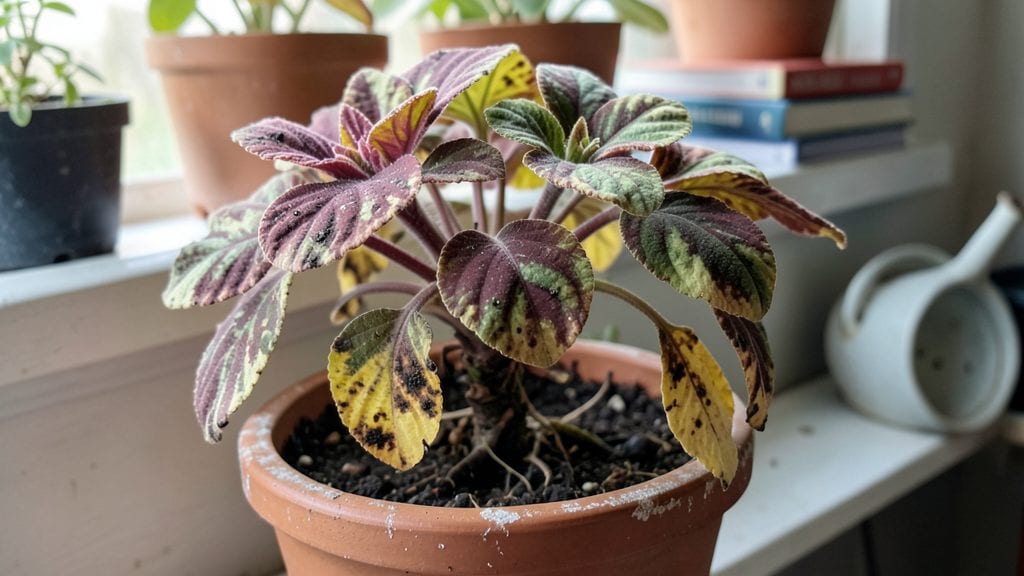
Overwatered coleus plants look like sad, droopy ghosts—yellow leaves, mushy stems, and roots that smell like a swamp. 🌱 I’ve drowned more than my share of these vibrant plants, and the good news?
Most can bounce back with the right moves. The key is acting fast before root rot takes over completely.
Here’s the thing—coleus hate soggy feet. They need soil that drains like a sponge, not a swamp. If your plant’s leaves are wilting but the soil’s still wet, that’s your first clue.
Grab a small pot, fresh potting mix, and some clean scissors. We’re giving this plant a fresh start in just a few minutes.
By the time you’re done, you’ll see new growth within 2-3 weeks, with leaves regaining their signature bold colors. The secret is cutting back the damaged parts, repotting in well-draining soil, and watering only when the top inch feels dry. Trust me, your coleus will thank you.
This works for both container-grown plants and those in garden beds—just adjust the drainage. Once you’ve revived it, keep a finger-check journal to avoid repeating the mistake. Your plant’s comeback story starts now.
Root Causes Of Overwatering
When your vibrant coleus starts looking sad—yellowing leaves, drooping stems, or even mushy roots—it’s often a cry for help, not a sign of neglect. Overwatering is a sneaky issue that can silently suffocate your plant’s roots, cutting off the oxygen and nutrients they desperately need.
Let’s break down the real reasons this happens, so you can spot the warning signs before it’s too late.
Coleus plants thrive in well-draining soil, but if your pot lacks drainage holes or the soil retains too much moisture, roots drown in their own soggy environment. Here’s why it’s a problem:
- Waterlogged soil cuts off oxygen to roots, triggering anaerobic conditions (yes, that’s a fancy term for "no air"). Without oxygen, roots can’t absorb nutrients or water efficiently.
- Fungal infections like Phytophthora or Pythium love damp, stagnant soil and attack weakened roots, leading to root rot.
- Compacted or heavy soil (like clay) holds moisture like a sponge, preventing excess water from escaping. Even if your pot drains, the soil might still stay soggy.
💡 Pro Tip: Test your soil’s drainage by filling a pot with water and timing how long it takes to drain. If it takes more than 30 minutes, your soil is too dense. Mix in perlite, sand, or orchid bark to improve aeration.
We’ve all been guilty of it—watering on a schedule instead of checking the plant’s actual needs. Coleus plants are tropical but not rainforest giants; they prefer their soil to dry out slightly between waterings. Here’s how human habits lead to overwatering:
- Sticking to a rigid schedule (e.g., every Monday and Thursday) ignores humidity, temperature, and season. In winter, coleus needs far less water than in summer.
- Using the "finger test" wrong: Sticking your finger 1–2 inches into the soil and assuming it’s dry when it’s actually just moist on the surface.
- Watering without checking the pot’s weight: A dry pot feels light; a saturated one feels heavy. If you’re guessing, you’re likely overdoing it.
- Mistaking thirst for wilting: Coleus often wilts when it’s underwatered, but overwatered plants wilt too—just with a mushy stem and yellowing leaves.
🌡️ Actionable Fix: Water only when the top 1–2 inches of soil feel dry to the touch. In humid climates, wait until the top 3 inches are dry. And always water thoroughly—until it drains from the bottom—then empty the saucer to prevent soggy roots.
Not all containers and soil are created equal. If your coleus is crammed into a tiny pot or sitting in nutrient-poor soil, it’s more vulnerable to overwatering. Here’s how:
- Small pots dry out faster on top but trap moisture at the roots, creating a "wet bottom" effect. Roots suffocate while the soil above looks dry.
- Terracotta pots dry out quickly, but if they’re glazed or too small, they can’t regulate moisture well. Plastic pots, meanwhile, retain moisture too well.
- Peat-heavy or garden soil compacts easily and holds water like glue. Coleus needs a fast-draining mix with at least 30% perlite, vermiculite, or coconut coir.
🔥 Quick Test: If your pot has no drainage holes, drill them (yes, really). For soil, swap out old potting mix for a lightweight, airy blend designed for tropical plants.
Sometimes, overwatering isn’t your fault—it’s Mother Nature playing tricks. Humidity, temperature, and even your home’s layout can turn your watering routine into a disaster.
- High humidity slows evaporation, so soil stays wet longer. If your bathroom or kitchen is steamy, your coleus might not need water for weeks after you last watered.
- Low light conditions reduce transpiration (the plant’s natural water release). In shady spots, coleus drinks less but still needs well-draining soil to avoid rot.
- Cold drafts or AC vents dry out the topsoil faster, tricking you into overwatering. Meanwhile, the roots stay cold and waterlogged.
✨ Adaptable Solution: Move your coleus to a bright, indirect light spot (like an east-facing window) and adjust watering based on your home’s microclimate. Use a hygrometer to monitor humidity—aim for 40–60% for coleus.
Revive Your Coleus Plant Now
Your coleus may look sad, but with the right care, it can bounce back to its vibrant, leafy glory! Overwatering often causes yellowing leaves, drooping stems, or even root rot—but don’t panic.
Here’s how to diagnose the issue and bring your plant back to life, cause by cause, with practical fixes and prevention tips.
Problem: Overwatering creates soggy soil, suffocating roots and blocking oxygen. Fix:
- Pause watering for at least 3–5 days to let excess moisture evaporate.
- Check soil moisture by sticking your finger 1–2 inches deep—if it’s damp, wait longer.
- Avoid watering until the top 1–2 inches of soil feel dry to the touch.
💡 Pro Tip: If your coleus is in a pot without drainage holes, repot it ASAP into a container with holes to prevent future waterlogging.
Problem: Compacted or water-retentive soil worsens overwatering damage. Fix:
- Repot if needed into a well-draining potting mix (like a blend of peat, perlite, and vermiculite).
- Add perlite or sand (10–20%) to existing soil to improve aeration.
- Avoid heavy garden soil—coleus prefers lightweight, airy mixes.
🌡️ Prevention Tip: Use a moisture meter to track soil dryness and adjust watering habits.
Problem: Yellow, mushy leaves and rotting roots spread decay. Fix:
- Snip off yellow/brown leaves with clean scissors to redirect energy to healthy growth.
- Check roots—if they’re black/mushy, trim them with sterilized shears.
- Rinse roots gently in lukewarm water to remove excess soil before repotting (if severe).
✨ Quick Fix: Prune leggy stems to encourage bushier regrowth—coleus thrives with a trim!
Problem: Overwatered plants often struggle in low light or high humidity. Fix:
- Move to bright, indirect light (east or north-facing windows are ideal).
- Reduce humidity if air feels damp—use a fan or dehumidifier near the plant.
- Avoid cold drafts—coleus prefers warm, stable temperatures (65–75°F).
🎯 Growth Hack: Rotate the pot weekly for even light exposure and prevent lopsided growth.
Problem: Overwatering is often a habit—break the cycle! Fix:
- Water only when the top 1–2 inches of soil are dry (usually every 7–10 days).
- Use the "finger test"—insert your finger to check moisture levels.
- Water deeply but infrequently—soak the soil until water drains from the bottom.
📊 Watering Schedule Cheat Sheet:
| Season | Frequency | Amount |
|---|---|---|
| Spring/Summer | Every 5–7 days | 1 cup (adjust for pot size) |
| Fall/Winter | Every 10–14 days | ½ cup |
Once your coleus recovers, maintain its health with these habits:
- Fertilize lightly (balanced 10-10-10) every 4–6 weeks in growing season.
- Wipe leaves monthly with a damp cloth to remove dust and improve photosynthesis.
- Watch for pests—overwatered plants attract fungus gnats; use yellow sticky traps if needed.
Final Thought: With patience and the right adjustments, your coleus will rebound—and you’ll have a stunning, resilient plant to show for it! 🌟
Frequently asked questions about reviving overwatered coleus
Why do coleus leaves turn yellow when overwatered?
Yellowing leaves signal root suffocation from soggy soil. Without oxygen, roots can't absorb nutrients, causing leaves to lose their vibrant colors. The yellowing often starts at the bottom and spreads upward as rot progresses.
How can I tell if my coleus is overwatered vs. underwatered?
Overwatered coleus has mushy stems, yellow leaves, and soil that smells sour. Underwatered plants wilt but with crispy brown edges. Stick your finger 2 inches deep—if damp, it's overwatered; if bone dry, it's thirsty.
What's the fastest way to save an overwatered coleus?
Stop watering immediately and repot into fresh, well-draining mix with perlite. Trim any black/mushy roots and prune yellowed leaves. Place in bright, indirect light and wait 3-5 days before watering lightly.
Can I use hydrogen peroxide to fix overwatered coleus roots?
Yes! Mix 1 part 3% hydrogen peroxide with 4 parts water and soak roots for 10 minutes to kill fungus. Rinse thoroughly before repotting. This helps prevent rot while giving roots a fresh start.
How often should I water coleus after recovery?
Wait until the top 1-2 inches of soil feel dry. In summer, water every 5-7 days; in winter, stretch to 10-14 days. Always water until it drains from the bottom—never let it sit in saucers.