
Diseases
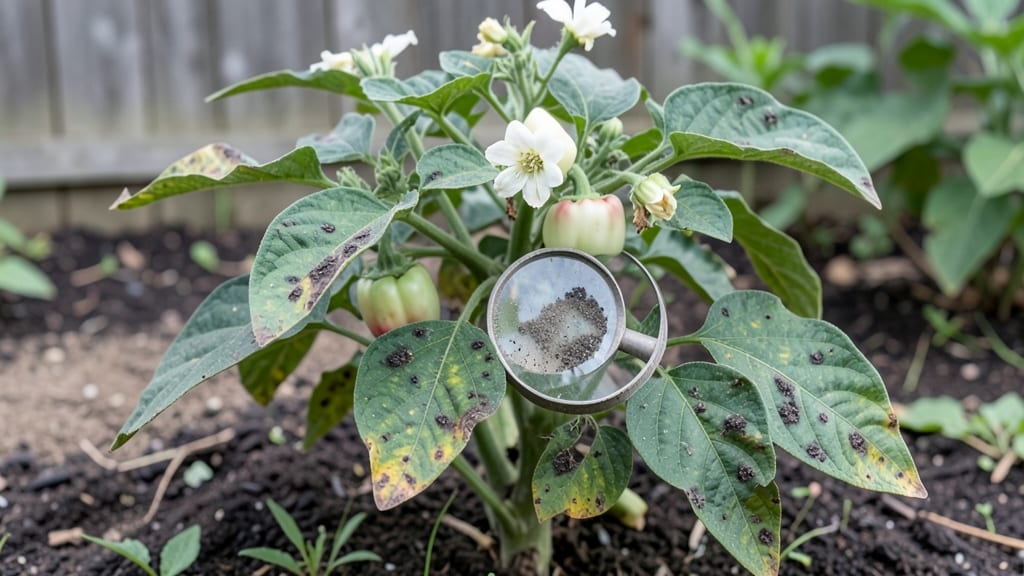
Spotting pepper plant diseases early can mean the difference between a bountiful harvest and a lost season. 🌿 I’ve watched bacterial spot turn vibrant green leaves into a skeleton of holes, and powdery mildew smother plants like a white blanket—both can strike fast if you’re not watching.
The good news? Most issues are preventable with the right knowledge, and even when they appear, organic fixes work better than you’d expect.
These problems usually start with stress—too much moisture, poor airflow, or overcrowded plants. Bacterial spot thrives in wet conditions, while powdery mildew loves humidity and shade. Verticillium wilt, though, sneaks in through the soil, clogging stems until plants wilt even when watered.
The key is catching symptoms early: dark spots, yellowing, or stunted growth are your first warnings.
You’ll learn to identify each disease by its unique marks, then use targeted sprays, pruning, or soil fixes to stop the spread. My favorite trick? A neem oil spray for mildew and copper fungicide for bacterial issues—both work fast and won’t harm your plants if used right.
Prevention is easier than cleanup, and I’ll show you how to keep your peppers thriving all season.
Whether you’re dealing with a single leaf or a full plant, this guide gives you the tools to act fast. From organic remedies to when to call in a pro, you’ll never panic again when your peppers start looking sick. Let’s get your harvest back on track—before it’s too late.
Root Causes Behind Pepper Plant Ailments
Pepper plants, like any other living organism, are susceptible to diseases due to a mix of environmental stress, microbial invasions, and poor growing conditions. Understanding why these issues arise is the first step to prevention.
Below, we break down the most common culprits—from fungal spores lurking in damp soil to nutrient deficiencies that weaken defenses.
Pepper plants thrive in specific conditions, and when those conditions shift—whether too hot, too cold, or too humid—they become vulnerable to disease. Here’s how environmental factors play a role:
- Excess Moisture: Pepper plants hate soggy roots. Overwatering or poor drainage creates the perfect breeding ground for Phytophthora (a water mold) and Fusarium wilt. These pathogens thrive in waterlogged soil, clogging plant vessels and cutting off nutrient flow. 💡 Pro Tip: Ensure pots or garden beds have drainage holes and avoid watering at night when humidity spikes.
- Poor Air Circulation: Dense foliage or crowded plants trap moisture, leading to fungal infections like powdery mildew or leaf spot. Stagnant air prevents water from evaporating quickly, keeping leaves damp—ideal for spores to germinate. ✨ Fix It: Prune plants to improve airflow and space them 18–24 inches apart.
- Extreme Temperature Swings: Peppers prefer warmth (70–85°F) and struggle when temperatures dip below 50°F or soar above 95°F. Cold stress weakens cell walls, making plants more susceptible to bacterial infections like Xanthomonas leaf spot. Heat stress, meanwhile, can cause sunscald on fruit, creating entry points for secondary infections.
Diseases don’t just happen—they’re caused by pathogens waiting for the right moment to strike. Here’s how they infiltrate pepper plants:
- Fungal Spores in Soil or Tools: Many pepper diseases, such as early blight (Alternaria solani) or late blight (Phytophthora infestans), spread via spores that survive in soil, compost, or even on garden tools. If you’ve grown infected plants before, spores may linger for years. 🔥 Prevention: Sterilize tools with rubbing alcohol, rotate crops, and avoid planting peppers in the same spot annually.
- Bacterial Hitchhikers on Seeds or Transplants: Some diseases, like bacterial leaf spot (Xanthomonas campestris), can be seed-borne or spread through contaminated nursery stock. Once established, bacteria multiply rapidly in wet conditions, oozing from lesions and spreading via wind or splashing water. 👨🍳 Solution: Buy seeds from reputable sources and inspect transplants for signs of infection before bringing them home.
- Viral Spread via Insects or Contaminated Hands: Viruses like tobacco mosaic virus (TMV) or pepper mild mottle virus don’t spread on their own—they need vectors. Aphids, thrips, or even your fingers (if you’ve touched an infected plant) can transfer viruses. Once inside, they hijack the plant’s cells, causing stunted growth, mosaic patterns, or deformed fruit.
A pepper plant’s immune system relies on balanced nutrition. When key nutrients are missing or overabundant, the plant becomes a sitting duck for diseases. Here’s how imbalances set the stage:
| Deficiency/Excess | How It Affects Health | Diseases It Invites |
|---|---|---|
| Low phosphorus (P) | Weak root development and slow growth; plants struggle to recover from stress. | Fusarium wilt, root rot (due to poor root vigor). |
| High nitrogen (N) | Excessive leafy growth at the expense of structural strength; soft tissue attracts pests and fungi. | Powdery mildew, downy mildew, aphid infestations. |
| Low calcium (Ca) | Cell walls weaken, leading to blossom-end rot in fruit and poor disease resistance. | Bacterial soft rot, fruit rots (entry points for pathogens). |
| High chloride (Cl) or sodium (Na) | Osmotic stress disrupts water uptake, causing wilting and stunted growth. | Verticillium wilt, salt stress-related root diseases. |
🎯 Actionable Fix: Test your soil with a home kit or send a sample to a lab. Amend soil with compost, bone meal (for P), or crushed eggshells (for Ca) to restore balance.
By addressing these root causes—whether through better water management, pathogen prevention, or nutrient optimization—you’ll give your pepper plants the best shot at staying healthy and productive. Prevention isn’t just about treating symptoms; it’s about stopping the problem before it starts.
How to solve it
Now that you’ve identified the issue, let’s tackle it head-on! Early action is key to saving your pepper plants, so follow these targeted solutions based on the disease or pest causing trouble. Each fix includes quick steps to treat the problem and prevent it from returning.
Fungal infections like powdery mildew, leaf spot, or root rot thrive in damp, crowded conditions. Act fast to prevent them from ruining your harvest.
🔥 Treat Powdery Mildew
- Remove infected leaves 🍃: Snip off heavily affected foliage with clean scissors and dispose of them in the trash (not compost).
- Apply neem oil or baking soda spray 🍳:
- Mix 1 tbsp baking soda + 1 tsp mild liquid soap + 1 quart water in a spray bottle.
- Spray both sides of leaves in the early morning or evening (avoid direct sun).
- Reapply every 5–7 days until symptoms fade.
- Improve airflow 🌬️: Space plants 12–18 inches apart and prune crowded branches.
🍳 Fix Leaf Spot or Blight
- Prune infected leaves immediately ⏰: Use sterilized pruners (wipe with rubbing alcohol) to avoid spreading spores.
- Use copper fungicide 🛡️:
- Follow label instructions for copper-based sprays (e.g., Bordeaux mixture or copper soap).
- Apply at dusk to prevent leaf burn.
- Water at the base 💧: Avoid overhead watering—use drip irrigation or soaker hoses to keep leaves dry.
👨🍳 Revive Root Rot
- Repot the plant 🌱:
- Gently remove the plant from its pot and trim black, mushy roots with sterilized scissors.
- Repot in fresh, well-draining soil (mix in perlite or sand for better aeration).
- Adjust watering habits 💦: Let the top 1–2 inches of soil dry out between waterings.
- Add fungicide 🛡️: Mix 1 tsp hydrogen peroxide (3%) per gallon of water and water the soil lightly.
Pests like aphids, spider mites, or hornworms can decimate your peppers in days. Manual removal and natural repellents work best.
🔪 Eliminate Aphids
- Blast them off with water 💦: Spray infested plants with a strong stream of water to dislodge aphids.
- Introduce beneficial insects 🐞: Release ladybugs or lacewings (available at garden centers).
- Spray soapy water 🧼:
- Mix 1 tsp mild dish soap + 1 quart water and spray directly on pests (reapply every 3–4 days).
🕷️ Combat Spider Mites
- Wipe leaves with neem oil 🍳:
- Mix 2 tsp neem oil + 1 tsp mild soap + 1 quart water, then spray all leaf surfaces.
- Repeat every 5–7 days until mites disappear.
- Increase humidity 🌡️: Spider mites love dry air—use a humidifier or place a tray of water near plants.
🥘 Stop Hornworms
- Handpick them off 👆: Check leaves daily and drop hornworms into soapy water (they’re fast!).
- Use BT (Bacillus thuringiensis) 🛡️: Spray BT-based pesticide (safe for humans, deadly for caterpillars).
- Attract predators 🦋: Plant dill, fennel, or marigolds nearby to lure parasitic wasps (hornworm nemeses).
Yellowing leaves or stunted growth? Your peppers might be hungry or thirsty.
💡 Fix Nitrogen Deficiency (Yellow Lower Leaves)
- Add compost or worm castings 🌱: Work 1–2 inches of compost into the topsoil around plants.
- Use a balanced fertilizer 📊: Switch to a 10-10-10 or 5-5-5 fertilizer and apply every 2–3 weeks.
- Mulch heavily 🍂: Cover soil with straw or grass clippings to retain moisture and nutrients.
🍎 Correct Potassium Deficiency (Brown Leaf Edges)
- Use banana peels or wood ash 🍌: Bury crushed banana peels near roots or sprinkle wood ash (sparingly) for potassium.
- Apply a tomato/vegetable fertilizer 🥗: Look for one with higher phosphorus and potassium (e.g., 5-10-10).
Once your peppers are healthy, prevent future issues with these habits:
- Rotate crops ✨: Avoid planting peppers in the same spot yearly (wait 3 years before replanting).
- Sterilize tools 🔪: Clean pruners and pots with rubbing alcohol between uses.
- Monitor regularly 👀: Check undersides of leaves and soil weekly for early signs of trouble.
- Support strong growth 💪: Use balanced fertilizer and prune for airflow to build resilient plants.
Pro Tip: 🌱 For severe cases, isolate infected plants to prevent cross-contamination. If all else fails, start fresh—sometimes a new plant is the fastest fix!
Frequently asked questions about pepper plant diseases
What are the first signs my pepper plants have a fungal disease?
Look for white powdery patches on leaves (powdery mildew) or dark brown spots with yellow halos (leaf spot). These often appear on lower leaves first, especially in humid conditions. If you see fuzzy gray mold on stems or fruit, that’s botrytis blight—act fast by pruning infected areas and improving airflow.
Can I still harvest peppers from plants with bacterial spot?
Yes, but only the healthy fruit! Bacterial spot (Xanthomonas) primarily attacks leaves, though severe cases may spread to fruit. Remove all infected leaves immediately and use copper fungicide. Harvest peppers as soon as they ripen to avoid secondary infections from splashing water during rain.
Why does my pepper plant suddenly wilt even when the soil is wet?
This is likely verticillium wilt or fusarium wilt—both fungal diseases that clog the plant’s water transport system. The wilting happens because the pathogens block nutrient flow, even with moist soil. Unfortunately, these diseases have no cure; remove the plant immediately to prevent soil contamination.
How often should I spray neem oil to prevent diseases?
Apply neem oil every 7–10 days as a preventive measure, especially during humid weather. For active infections like powdery mildew, spray weekly until symptoms disappear. Always use it in the evening to avoid leaf burn, and rotate with baking soda spray (1 tbsp baking soda + 1 quart water) for better results.
Will compost tea help treat pepper plant diseases?
Compost tea can boost plant immunity and suppress mild fungal issues, but it’s not a cure-all. For established diseases like bacterial spot or blight, combine it with copper fungicide. Brew fresh tea weekly (steep compost in water for 24–48 hours) and spray foliage early in the morning for best results.