
Propagation
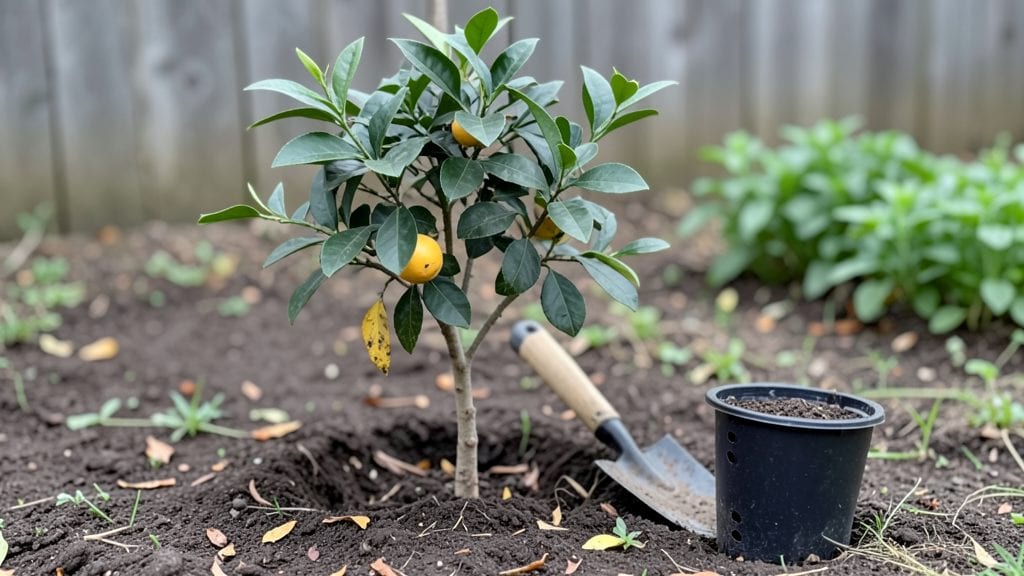
Planting clementine seeds gives you a chance to grow your own citrus tree from scratch—something store-bought saplings can't match. 🌱 I've tried this three times, and the third attempt finally broke through the germination hurdle with a few key adjustments.
The secret isn't magic; it's patience, the right soil mix, and understanding citrus trees' finicky nature.
You'll need a warm spot (70°F or warmer), a small pot with drainage holes, and a blend of potting soil mixed with perlite to keep roots from sitting in soggy conditions. Most people rush this step, but citrus seeds need time—sometimes 3-6 weeks—before they even crack open.
That's why I recommend starting indoors in late winter, so you have months to nurture the tiny sprout before it faces outdoor conditions.
The payoff comes when you see that first true leaf—bright green and glossy—after what feels like forever. By summer, you might have a foot-tall seedling ready for its own pot, though it'll take 3-5 years to produce fruit.
The journey teaches you more about citrus care than any book ever could, and the reward is a tree with your own personal history.
Works best in zones 9-11, but container growers in colder areas can keep their seedlings indoors year-round with grow lights. The key is never letting the soil dry out completely during those early weeks—citrus roots are delicate, and they'll tell you when they're thirsty by wilting faster than you'd expect.
📚 In This Guide
- What you need
- Instructions
- Tips and common mistakes
- Wrapping up and next steps
What you need
- ● Clementine seeds: 3–5 fresh, plump seeds (harvested from organic or pesticide-free fruit for best results).
- ● Small pots or containers: 2–4 (4–6 inches in diameter) with drainage holes. Tip: Use biodegradable pots for easy transplanting later!
- ● Well-draining potting mix: A blend of 50% peat moss or coconut coir, 30% perlite or vermiculite, and 20% sand (or a pre-mixed citrus/succulent mix).
- ● Spray bottle: For gentle watering (avoid over-saturating seeds!).
- ● Plastic wrap or clear lid: To create a mini greenhouse effect.
- ○ Heat mat (optional but helpful): Keeps soil warm (70–85°F) for faster germination.
- ● Sunny windowsill or grow light: A south-facing window or LED grow bulb (12+ hours/day).
- ● Seed-starting tray: For organized germination (holds 6–12 pots).
- ● Humidity dome: Retains moisture better than plastic wrap.
- ● Fertilizer (diluted): A balanced liquid fertilizer (5-5-5 NPK) after sprouts appear.
- ● Tweezers: For delicate seed handling.
- ● Thermometer: Monitors soil temperature (ideal: 75–85°F).
Step-by-Step instructions for planting clementine seeds indoors
Here's how to turn a clementine's seeds into thriving citrus saplings—no green thumb required.
🌱 Step 1: Extract and Prepare the Seeds
Save the seeds from 4 fresh clementines—more seeds mean better odds of germination. Rinse them thoroughly under cool water to remove any pulp, then let them air-dry completely on a paper towel for 24 hours. This prevents mold and ensures they don’t rot before sprouting. I like to spread them out in a single layer, flipping them halfway through the drying time.
While they dry, fill four small pots (about 4 inches wide) with well-draining potting mix. Press the soil down lightly so it’s firm but not compacted—this gives the tiny roots something to grip immediately. Water the soil until it’s evenly moist, but not soggy. You’ll know it’s right when water runs out the drainage holes without pooling.
💧 Step 2: Plant the Seeds and Create a Humid Environment
Plant each seed about ½ inch deep in its own pot. I use a toothpick to make a small hole—it’s precise and won’t crush the seed. Cover it lightly with soil, then water gently until the surface is damp. Place the pots in a clear plastic bag or under a humidity dome to trap warmth and moisture. Clementine seeds need consistent humidity to germinate, and this setup mimics their tropical origins.
Set the pots in a warm spot, ideally between 70-80°F. A sunny windowsill or under a grow light works, but avoid direct sunlight—it can overheat the seeds. Check the soil daily. If it feels dry to the touch, mist it lightly with water. Germination can take anywhere from 2-4 weeks, so patience is key. You’ll see tiny green sprouts pushing through the soil first.
☀️ Step 3: Provide Light and Care for Sprouting Seedlings
Once the seeds sprout, remove the plastic bag or dome immediately to prevent mold. Place the pots under a grow light or in a spot with bright, indirect light. Clementine seedlings need 12-14 hours of light daily to grow strong and avoid becoming leggy. If you notice the stems stretching toward the light, they’re not getting enough. Move the light closer or supplement with a second bulb.
Water the seedlings when the top inch of soil feels dry. I use a spray bottle to avoid disturbing the soil around the delicate roots. Fertilize lightly with a diluted citrus-specific fertilizer once the seedlings have 2-3 sets of true leaves. Over-fertilizing now can burn the tender roots, so I always halve the recommended dose. Watch for yellowing leaves—they’re a sign of too much water or fertilizer.
🪴 Step 4: Transplant and Encourage Growth
When the seedlings reach about 6 inches tall and have 4-5 sets of leaves, it’s time to transplant them into larger pots (around 6-8 inches wide). Use fresh well-draining potting mix and water the seedlings thoroughly before carefully removing them from their small pots. Gently loosen the roots if they’re circling, then place them in the new pots at the same depth they were growing before.
After transplanting, keep the seedlings in a shaded area for a few days to reduce stress. Gradually reintroduce them to their usual light conditions. Prune any leggy growth by pinching back the tips to encourage bushier growth. Clementines are slow growers, so don’t rush it. With consistent care, you’ll have small citrus trees in a year or two—ready to reward you with fragrant blossoms and (eventually) fruit.
Tips & tricks for planting clementine seeds
Small adjustments during these early stages can make all the difference between thriving saplings and disappointing failures.
Drying Time Matters: That 24-hour drying period in Step 1 is non-negotiable. I learned this the hard way after watching seeds develop mold when dried too quickly. Place them on a clean paper towel in a single layer, and flip them halfway through. You'll know they're ready when they feel dry to the touch and have a papery texture. This step prevents rot and gives your seeds the best chance to sprout.
Soil Preparation Strategy: When filling your 4-inch pots in Step 1, press the well-draining potting mix down just enough to create a firm but not compacted surface. This gives the tiny roots something to grip immediately. I like to use my finger to create small indentations where the seeds will go—it helps with precise planting later. The goal is to create a stable base that won't shift when you water.
Temperature Consistency: Maintaining that 70-80°F range in Step 2 is crucial for germination. If your home runs cooler, consider placing the pots on top of your refrigerator or near a sunny window during the day. I've found that a small heating mat set to low can help maintain consistent warmth without overdoing it. Just be careful not to let the soil get too hot—it should feel warm to the touch, not scorching.
Light Transition Tip: When moving your sprouts from the humidity dome to their 12-14 hours of light in Step 3, do it gradually. I start by removing the dome for just 15 minutes a day, then increase by 15 minutes each day until they're fully exposed. This gradual transition prevents shock and helps the seedlings adapt to their new environment. Watch for any yellowing leaves—this is often a sign they're getting too much direct light too quickly.
Pro Tips for Planting Clementine Seeds
- Small adjustments during these early stages can make all the difference between thriving saplings and disappointing failures.
- Drying Time Matters: That 24-hour drying period in Step 1 is non-negotiable.
- Soil Preparation Strategy: When filling your 4-inch pots in Step 1, press the well-draining potting mix down just enough to create a firm but not compacted surface.
Frequently asked questions
Got questions about growing clementine seeds?
Here are the answers to the most common ones—so you can confidently start your citrus adventure!
How long does it take for clementine seeds to germinate?
Germination can take anywhere from 2 to 4 weeks, depending on warmth (ideally 70–80°F) and moisture. Patience is key—keep soil consistently damp and avoid overwatering. If no sprouts appear after 4 weeks, gently check for mold or rot and adjust care.
Can I plant clementine seeds directly outside, or should I start indoors?
Start seeds indoors 8–12 weeks before the last frost for best results. Outdoor planting is risky unless you live in a USDA Zone 9–11 climate. Young seedlings are frost-sensitive! Use pots with drainage and move them outside only after hardening off (gradually acclimating to outdoor conditions).
Will my clementine seedling actually produce fruit like the parent tree?
Probably not—seed-grown clementines are unpredictable! They may bear fruit, but it’ll likely differ in size, taste, and quality. For true-to-type clementines, consider grafting a named variety onto your seedling later. Alternatively, buy a nursery-grafted tree for guaranteed results.
Why are my clementine seeds rotting or moldy?
Overwatering or poor drainage are the usual culprits. Use a well-draining mix (like perlite + peat) and water only when the top inch of soil feels dry. Ensure pots have drainage holes, and avoid letting seeds sit in soggy conditions. If mold appears, reduce moisture and improve airflow with a small fan.
What’s the best way to speed up germination?
Try these pro tips:
- Warmth: Place seeds on a seedling mat or near a sunny window (not direct sunlight).
- Soak seeds: Soak them in warm water for 12–24 hours before planting to soften the shell.
- Humidity: Cover the pot with plastic wrap (remove daily to prevent mold).
- Light: Once sprouted, move to bright, indirect light (south-facing window or grow lights).
Wrapping up and next steps
Growing clementine seeds into thriving citrus trees is a rewarding journey that blends patience with the joy of nurturing life! 🌱 With the right tools—like well-draining soil, warmth, and consistent care—you’ve unlocked the secret to cultivating your own citrus grove.
Remember, germination can take weeks or even months, so stay patient and keep those seedlings happy with sunlight and love.
Ready to take the next step? Once your seedlings sprout, transplant them carefully into larger pots or your garden. And who knows? In a few years, you might just be harvesting sweet, homegrown clementines straight from your very own tree! 🍊✨