
Flowers
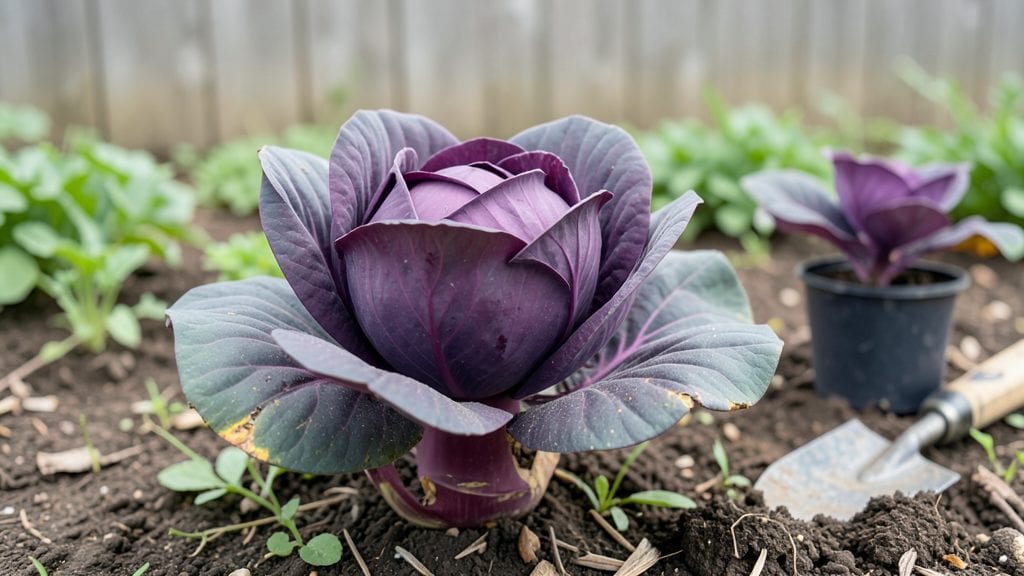
Planting purple cabbage transforms your garden into a striking purple-and-green masterpiece that stays vibrant from spring to frost. 🌿 I’ve grown this showstopper for years, and its deep purple edges add drama to borders, containers, and even salads—without sacrificing the hardiness of regular cabbage.
The secret to success starts with loose, well-draining soil rich in compost. Purple cabbage thrives in cool weather (think 50–75°F) and needs full sun for those bold colors to pop.
Space plants 18–24 inches apart to give them room to grow, and sow seeds just ¼ inch deep—no need for fancy equipment, just patience.
By the time your seedlings reach 4 inches tall, you’ll be pinching off the top leaves to encourage bushier growth. Keep the soil consistently moist (not soggy) and watch as those purple edges deepen under the sun.
In just 60–80 days, you’ll have edible, ornamental plants that double as a garden centerpiece.
Perfect for cutting gardens, container displays, or even as a striking edible border. The best part? These plants keep their color even after harvest, making them a gardener’s secret weapon for year-round interest. Ready to plant yours?
📚 In This Guide
- What you need
- Instructions
- Tips and common mistakes
- Wrapping up and next steps
What you need
- ● Purple cabbage seeds – 10–20 seeds (or 2–3 transplants if starting with seedlings). Look for Brassica oleracea varieties like 'Red Express' or 'Purple Magic'.
- ● Well-draining soil – A mix of 60% topsoil, 30% compost, and 10% perlite/sand (pH 6.0–7.0).
- ● Containers or garden bed – For containers: 5–12" deep pots (1 plant per 12" diameter).
- ● For in-ground: Full sun (6+ hours/day) with space 18–24" apart.
- ● Watering can or hose with nozzle – For gentle, deep watering (avoid wetting leaves).
- ● Organic fertilizer – Balanced 10-10-10 or compost tea (apply at planting and every 4–6 weeks).
- ○ Mulch (optional but recommended) – Straw or shredded leaves to retain moisture and suppress weeds.
- ● Row covers – To protect young plants from pests like cabbage moths.
- ● Epsom salt (1 tbsp/gallon) – For magnesium boost (mix into water every 4 weeks).
- ● Plant markers – To track varieties if growing multiple types.
- ● Pruning shears – For harvesting outer leaves without damaging the core.
Step-by-Step instructions for planting purple cabbage
Here's how to grow bold, long-lasting purple cabbage that stays vibrant from start to harvest.
🌱 Step 1: Prepare the Soil for Optimal Growth
Purple cabbage thrives in rich, well-draining soil with a pH between 6.0 and 7.0. Work in 2-3 inches of compost into the top 6-8 inches of soil to improve fertility and drainage. I like to mix in a handful of aged manure or worm castings to provide slow-release nutrients—this prevents sudden spikes in nitrogen that can cause bitter leaves.
Loosen the soil to a depth of 12 inches with a garden fork or tiller. Break up any clumps and remove rocks or debris. The goal is soil that feels light and crumbly, like a well-aerated cake batter. If your soil is heavy clay, add sand or perlite to improve drainage—waterlogged roots will turn your cabbage yellow and mushy.
🌱 Step 2: Plant Seeds or Transplants at the Right Time
For direct sowing, plant seeds 4-6 weeks before your last frost date in spring or 8-10 weeks before the first fall frost. Purple cabbage grows best in cool weather—60-70°F is ideal. If you're starting indoors, sow seeds 3-4 weeks before transplanting in biodegradable pots filled with seed-starting mix.
When transplanting seedlings, space them 18-24 inches apart in rows 2-3 feet apart. Dig a hole slightly deeper than the root ball and place the seedling in, firming soil around the base. Press gently but don’t compact—you want roots to spread easily. Water deeply right after planting to settle the soil and eliminate air pockets.
💧 Step 3: Maintain Consistent Moisture and Fertility
Keep the soil evenly moist but not soggy—purple cabbage needs 1-1.5 inches of water per week. Water at the base of the plant in the morning to reduce fungal risks. I use a soaker hose or drip irrigation to avoid wetting the leaves, which can lead to disease. Mulch around plants with 2 inches of straw or shredded leaves to retain moisture and suppress weeds.
Fertilize lightly 2-3 weeks after transplanting with a balanced organic fertilizer (like 5-5-5). Avoid high-nitrogen feeds—they promote leafy growth at the expense of the head. Instead, side-dress with compost tea or fish emulsion every 4-6 weeks for steady nutrition. Watch for yellowing leaves—this often signals nitrogen deficiency or overwatering.
☀️ Step 4: Protect and Harvest for Maximum Vibrancy
Purple cabbage needs full sun (6+ hours daily) but appreciates afternoon shade in hot climates. If your summers are scorching, provide light shade cloth during peak heat to prevent bolting—the plant will send up a flower stalk and ruin the head. You’ll notice the purple color deepen in cooler weather, so fall plantings often yield the most striking heads.
Harvest when the head feels firm and reaches 6-8 inches in diameter. Twist gently to detach the head from the stem—don’t cut, or you’ll risk disease entry. Store in a plastic bag in the fridge for up to 2 weeks. For longest storage, harvest smaller heads before they fully mature—they’ll keep better and stay sweeter.
Tips & tricks for growing stunning purple cabbage
These gardening secrets will help you cultivate cabbage with vibrant purple edges that stay beautiful from planting to harvest.
Soil Preparation Secret: Don't just add compost—mix in a handful of worm castings along with the 2-3 inches of compost in Step 1. The castings provide beneficial microbes that help your cabbage absorb nutrients more efficiently, which is especially important for maintaining that deep purple color. I've found this makes a noticeable difference in the vibrancy of the leaves.
Timing is Everything: When planting seeds indoors 3-4 weeks before transplanting (Step 2), use biodegradable pots that are slightly larger than the seedling's root ball. This prevents root circling when you transplant, which can stress your cabbage and lead to slower growth. The 60-70°F ideal temperature range is critical—any hotter, and you risk bolting before the head forms properly.
Watering Wisdom: The 1-1.5 inches of water per week in Step 3 should be spread across 2-3 watering sessions rather than all at once. This encourages deeper root growth, which helps the plant better withstand heat stress and maintain its vibrant color. I water mine in the morning using a soaker hose, which keeps the leaves dry and reduces disease risk while ensuring consistent moisture.
Fertilizer Fix: If you notice yellowing leaves after 2-3 weeks (as mentioned in Step 3), don't automatically assume nitrogen deficiency—check your watering first. Overwatering can cause the same symptoms by preventing oxygen from reaching the roots. For a quick test, press your finger into the soil about an inch deep; if it feels damp, hold off on watering and let it dry out slightly before fertilizing again.
Pro Tips for Planting Purple Cabbage
- These gardening secrets will help you cultivate cabbage with vibrant purple edges that stay beautiful from planting to harvest.
- Soil Preparation Secret: Don't just add compost—mix in a handful of worm castings along with the 2-3 inches of compost in Step 1.
- Timing is Everything: When planting seeds indoors 3-4 weeks before transplanting (Step 2), use biodegradable pots that are slightly larger than the seedling's root ball.
Frequently asked questions
Got questions about growing your own stunning purple cabbage? You’re not alone! Here are some of the most common queries—and their answers—to help you cultivate a thriving, colorful harvest.
When is the best time to plant purple cabbage?
Purple cabbage thrives in cool weather, so plant seeds 4–6 weeks before the last frost in spring or 8–10 weeks before the first frost in late summer for a fall harvest. Avoid planting in hot summer months—it’ll bolt (go to seed) faster. Start indoors if your growing season is short!
How do I keep my purple cabbage from turning yellow or wilted?
Yellowing leaves often signal nitrogen deficiency or overwatering. Ensure soil drains well and fertilize with a balanced organic fertilizer every 3–4 weeks. Wilted plants may need more water (especially in heat) or protection from pests like cabbage worms. Check the undersides of leaves for holes or eggs!
Can I grow purple cabbage in containers or small spaces?
Purple cabbage does well in 5-gallon containers or larger with at least 12–18 inches of depth. Choose compact varieties like ‘Red Express’ or ‘Purple Magic,’ and ensure containers have drainage holes. Place them in full sun (6+ hours daily) and fertilize regularly for best results.
What’s the difference between red and purple cabbage?
They’re the same plant! Purple cabbage turns red-pink when cooked due to anthocyanins (the same pigments in blueberries). Raw, it’s a deep purple; cooked, it’s a vibrant red. Both are packed with antioxidants—just pick based on your dish’s needs. Pro tip: Use purple cabbage for salads and red for braising!
How do I store harvested purple cabbage to keep it fresh?
Store whole heads in a cool, humid place (32–40°F) like a fridge, wrapped loosely in a damp towel. They’ll last 2–3 weeks. For longer storage, ferment it (like sauerkraut) or freeze chopped cabbage in airtight bags for up to 6 months. Avoid washing before storage—moisture speeds up spoilage!
Wrapping up and next steps
Planting purple cabbage isn’t just about adding a pop of color to your garden—it’s a rewarding way to grow a versatile, nutrient-packed vegetable that thrives with minimal fuss.
Whether you’re a seasoned gardener or a beginner, these vibrant plants will delight your senses and your plate all season long. Now that you’re equipped with the know-how, why not take the plunge? Grab your gloves, pick a sunny spot, and let your purple cabbage adventure begin! 🌱
Your Next Step:
- Start small: Try planting a few seeds or transplants in a container or garden bed to test your green thumb.
- Experiment: Mix purple cabbage with other edible flowers or herbs for a stunning (and tasty!) garden display.
- Share the joy: Gift homegrown purple cabbage to friends or neighbors—it’s a conversation starter!