
Planting
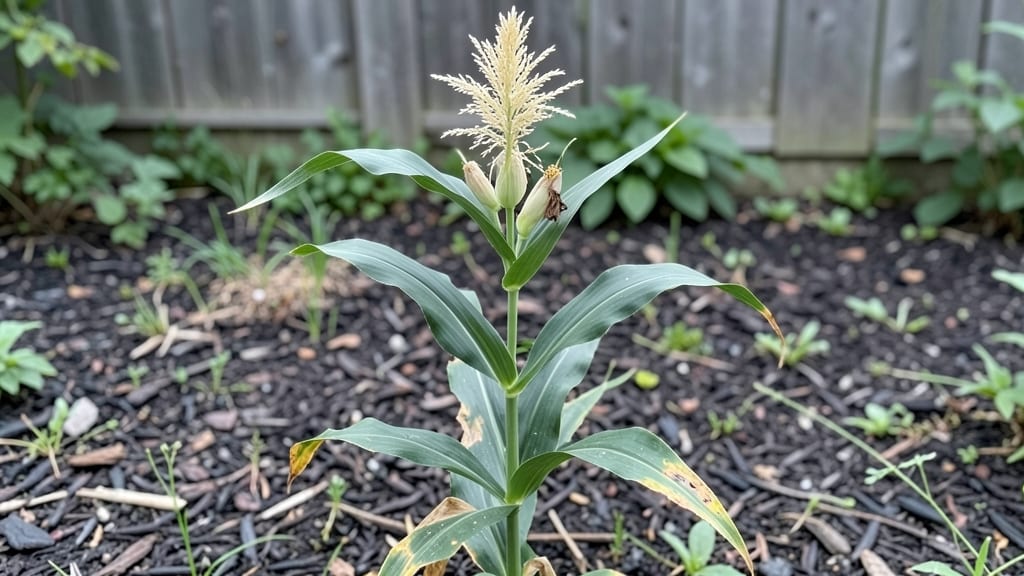
The popcorn bush plant (Coccoloba uvifera) thrives with almost no effort—just plant it in the right spot and watch it reward you with glossy leaves and year-round blooms. 🌿 I’ve grown mine for years, and it’s the only shrub that stays lush through droughts while still looking polished enough for a front yard.
The key isn’t complicated: it’s all about sunlight, soil, and letting it grow wild without fuss.
This salt-tolerant shrub loves full sun but handles partial shade too, making it perfect for coastal areas or hot climates where other plants wilt. The soil just needs to drain well—no fancy amendments required.
Water it deeply once a week, and you’ll never have to prune it unless you want to shape it (which, honestly, you don’t have to). It’s the kind of plant that grows so well it feels like cheating.
By summer, you’ll see clusters of tiny white flowers that turn into edible (but bland) popcorn-like seeds—though most growers keep it for its striking foliage and drought resistance.
The leaves stay vibrant year-round, and the plant spreads slowly, giving you a low-maintenance hedge or specimen shrub without the upkeep of traditional options.
Whether you’re planting in containers for patios or directly in the ground, this bush adapts effortlessly. It’s the ultimate “set it and forget it” plant—just don’t expect it to be fast-growing. Patience pays off with a shrub that outlasts trends and survives neglect. Ready to add one to your landscape?
📚 In This Guide
- What you need
- Instructions
- Tips and common mistakes
- Wrapping up and next steps
What you need
- ● Popcorn bush plant: 1 nursery-grown sapling (3–6 inches tall, recommended for faster results), OR
- ● Seeds (collect from mature plants in fall or purchase from a reputable supplier).
- ● Well-draining soil: Mix 60% native soil + 30% compost + 10% perlite/sand (for sandy or clay-heavy areas).
- ● Garden space: Full sun (6+ hours daily) in USDA Zones 5–9.
- ● Space: 6–10 feet wide and tall (allow room for spreading).
- ● Watering can or hose with a gentle spray nozzle.
- ○ Organic mulch (optional but helpful): 2–3 inches of pine straw or shredded leaves.
- ● Garden trowel or shovel (for digging).
- ● Gloves (to protect hands from thorns and soil).
- ● Pruning shears (sharp, sterilized—only needed if shaping mature plants).
- ○ pH testing kit (optional: ideal soil pH is 5.0–7.0).
- ○ Fertilizer (optional): Balanced 10-10-10 or slow-release granular fertilizer (apply once in spring).
- ● Avoid high-nitrogen fertilizers (they promote leafy growth over blooms!).
How to grow a popcorn bush plant for year-round color
This is the easiest way to keep your landscape vibrant with minimal effort.
🌱 Step 1: Choose the Right Location and Plant Your Popcorn Bush
Popcorn bush (Cercis canadensis 'Lavender Twist') thrives in full sun to partial shade, making it perfect for most yards. I plant mine where it gets at least 4-6 hours of sunlight daily—morning sun with afternoon shade works best in hotter climates. The soil should drain well, but it tolerates a wide range, so don’t stress about perfection.
Dig a hole twice as wide as the root ball but no deeper. Gently remove the plant from its container, loosen the roots if they’re circling, and place it in the hole. Backfill with the native soil, pressing lightly to eliminate air pockets. Water deeply right after planting to settle the soil and encourage root growth. You’ll know it’s done right when the soil looks evenly moist but not soggy.
💧 Step 2: Water Consistently Until Established
For the first 2-3 weeks, water your popcorn bush every 2-3 days until the soil feels damp 2-3 inches deep. After that, water once a week unless you’re in extreme heat or drought, then increase to twice weekly. Overwatering is the biggest mistake—yellowing leaves or wilting mean you’re either drowning or dehydrating the roots.
I like to water in the early morning so the foliage has time to dry, reducing fungal risks. Mature popcorn bushes are drought-tolerant once established, but consistent moisture during the first year ensures strong root development. You’ll see new growth within 4-6 weeks if the soil stays evenly moist.
☀️ Step 3: Feed Lightly for Vibrant Blooms
Popcorn bush doesn’t need heavy feeding, but a balanced 10-10-10 fertilizer in early spring (before new growth starts) gives it a boost. Sprinkle ½ cup around the base, then water deeply to help it absorb. Avoid fertilizing in fall or winter—it encourages tender new growth that won’t survive cold snaps.
Mulch with 2-3 inches of organic mulch (like shredded bark) to retain moisture and regulate soil temperature. Keep the mulch 2 inches away from the trunk to prevent rot. I top up the mulch in late winter to protect roots from freezing. The key is patience—popcorn bush rewards minimal care with stunning blooms year after year.
✂️ Step 4: Minimal Pruning for Year-Round Beauty
Here’s the secret: prune only when necessary. Deadhead spent blooms in late spring to encourage more flowers, but skip heavy pruning unless you’re shaping the plant. Popcorn bush blooms on old wood, so cutting back hard reduces next year’s flowers. If you notice leggy growth, trim back 10-15% of the oldest stems in early spring to rejuvenate the plant.
Shape the bush lightly after flowering if needed, but avoid drastic cuts. The twisted lavender stems are its signature—don’t prune them back unless they’re damaged. A light trim keeps it tidy without sacrificing blooms. You’ll love how it fills out with minimal effort, especially in winter when other plants fade.
Tips & tricks for perfect popcorn bush plant care
Here's what nobody tells you about keeping your popcorn bush thriving with almost no effort.
Location is Everything: That 4-6 hours of sunlight is non-negotiable for vibrant blooms. I've planted mine against a south-facing wall where it gets morning sun and afternoon shade—this prevents leaf scorch while still getting enough light. If your yard is shadier, choose a spot with at least 4 hours of direct sun. The twisted stems won't develop their signature lavender hue without proper light exposure.
Planting Depth Matters: That hole should be twice as wide but no deeper than the root ball—this prevents root suffocation. I always check the plant's soil line before planting and make sure it sits at the same level in the ground as it did in the pot. Burying too deep can cause rot, while planting too shallow exposes roots to drying out. Press the soil lightly but firmly to eliminate air pockets that could strangle new roots.
Watering Wisdom: Those first 2-3 weeks are critical—your popcorn bush needs consistent moisture to establish roots. I use my finger to check soil moisture 2-3 inches deep between waterings. If it feels dry, it's time to water. The early morning watering routine prevents fungal diseases by giving foliage time to dry completely. Once established, you'll notice how drought-tolerant these plants become—they'll tell you when they need water through their leaves.
Fertilizer Timing: That ½ cup of 10-10-10 fertilizer in early spring is all your popcorn bush needs. I always water it in thoroughly after applying to help distribute the nutrients. The key is patience—this plant thrives on minimal feeding. I've seen people over-fertilize and end up with leaf burn instead of beautiful blooms. Remember, popcorn bush rewards minimal care with maximum impact.
Pro Tips for Popcorn Bush Plant
- Here's what nobody tells you about keeping your popcorn bush thriving with almost no effort.
- Location is Everything: That 4-6 hours of sunlight is non-negotiable for vibrant blooms.
- Planting Depth Matters: That hole should be twice as wide but no deeper than the root ball—this prevents root suffocation.
Frequently asked questions
about the Popcorn Bush (Bucida buceras)—your low-maintenance, ever-blooming beauty!Is the Popcorn Bush plant really "no-fuss" when it comes to trimming?
The Popcorn Bush thrives with zero pruning—it grows naturally in a rounded, bushy shape without needing shaping. However, if you want to control its size or encourage denser growth, a light trim after flowering (spring/summer) is optional. Just avoid heavy cuts, as it’s naturally slow-growing.
Can Popcorn Bush survive cold winters or indoor conditions?
This tropical plant prefers USDA Zones 10-11 and struggles below 30°F. In colder climates, grow it in containers and bring it indoors near a bright window during winter. If indoors, ensure humidity levels stay moderate—mist leaves occasionally or use a pebble tray to mimic its native habitat.
What’s the fastest way to propagate a Popcorn Bush?
The easiest method is stem cuttings! Snip a 4-6 inch healthy stem just below a leaf node, remove lower leaves, and dip in rooting hormone. Plant in moist perlite or sand, then cover with a plastic bag to retain humidity. Roots typically form in 4-8 weeks—keep the soil damp but not soggy!
Why are my Popcorn Bush leaves turning yellow or dropping?
Yellowing leaves often signal overwatering or poor drainage. Let the top 1-2 inches of soil dry out between waterings, and ensure the pot has drainage holes. Dropping leaves can also mean low light—move it to a sunnier spot (but avoid harsh afternoon sun). Pests like spider mites are rare but treat with neem oil if spotted.
Does Popcorn Bush bloom year-round, or are there seasonal peaks?
While it’s famous for near-year-round blooms, expect the most vibrant flowers in spring and fall. In winter, blooms may slow down indoors due to lower light. Boost flowering by fertilizing lightly (balanced 10-10-10) every 2 months during growing seasons and deadheading spent blooms.
Are there drought-tolerant alternatives if I live in a very dry climate?
If your area has extreme drought, consider these low-water, flowering shrubs:
- Texas Sage (Leucophyllum frutescens) – Blooms after rain, thrives in heat.
- Bougainvillea – Drought-resistant, vibrant colors, but needs full sun.
- Desert Spoon (Dasylirion wheeleri) – Unique foliage, minimal water needs.
Wrapping up and next steps
The Popcorn Bush is a dream for gardeners who crave low-maintenance beauty with high rewards—vibrant blooms all year long, minimal trimming, and stunning foliage that brightens any space. Whether you're a beginner or a seasoned plant parent, this hardy shrub proves that easy care doesn’t mean sacrificing style.
Ready to transform your garden? Start by picking your spot, grab those shears, and let the Popcorn Bush work its magic with almost no effort!