
Pruning
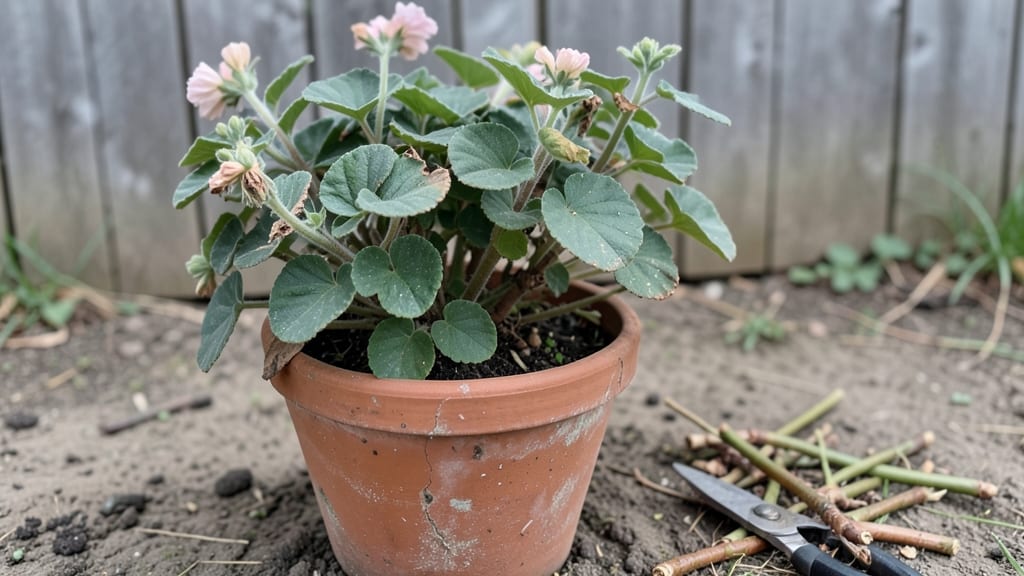
Pruning geranium plants transforms leggy, sparse stems into bushy, bloom-heavy powerhouses—all it takes is a few strategic cuts and the right timing. 🌿 I’ve seen geraniums go from scraggly and half-dead to vibrant, flowering machines in just a few weeks after proper pruning, and it’s easier than you’d think.
The key is cutting back one-third of the plant’s height in early spring and again in late summer, always above a leaf node where new growth can sprout. You’ll need sharp pruners or clean scissors, and a little patience—geraniums bounce back fast when you give them a fresh start.
Avoid cutting into woody stems, as they won’t regrow.
After pruning, your geraniums will burst with fresh, compact growth and double their blooms by midsummer. The secret is consistency: prune early, feed lightly, and keep them in full sun. Within 4-6 weeks, you’ll have fuller plants that outperform store-bought geraniums.
This method works for both pelargoniums (the classic bedding geraniums) and ivy geraniums, whether grown in pots or garden beds. The only rule? Don’t wait until winter—prune too late, and you’ll lose next year’s flowers. Let’s get those stems trimmed right.
📚 In This Guide
- What you need
- Instructions
- Tips and common mistakes
- Wrapping up and next steps
What you need
- ● Clean, sharp bypass pruners – A pair of 5- to 6-inch pruners with stainless steel blades (avoid dull tools to prevent crushing stems).
- ○ Hand pruners or small shears – For delicate trimming of smaller stems (optional but helpful for precision).
- ● Rubbing alcohol (70% isopropyl) or bleach solution – To sterilize tools before and after pruning (mix 1 part bleach with 9 parts water for disinfection).
- ● Garden gloves – Nitrile or leather gloves to protect hands from thorns and sap.
- ● Disposable plastic bags or bucket – For collecting pruned stems (compost or discard later).
- ● Gardening knife or razor blade – For trimming stubborn stems that pruners can’t reach.
- ● Pruning saw – If dealing with thick, woody stems (rare in geraniums but useful for overgrown plants).
- ● Plant food or fertilizer – A balanced 10-10-10 or slow-release granular fertilizer to nourish geraniums post-pruning.
- ● Hose with nozzle or spray bottle – To rinse tools and clean sap from blades between cuts.
- ● Plant markers or labels – If you’re propagating cuttings from pruned stems.
Step-by-step instructions for pruning geranium plants
Here's the straightforward method I use every spring to keep geraniums lush and blooming all season.
✂️ Step 1: Identify and Remove Dead or Damaged Stems
Start by examining each stem closely for signs of life. Dead stems feel hollow when you squeeze them gently—they won't snap back like healthy growth. Snip these at the base with clean, sharp pruners, cutting at a 45-degree angle just above a leaf node or bud. This angle helps water run off instead of pooling on the cut.
Don't skip this step—dead stems drain energy from your plant. I always work in good morning light so I can spot hidden damage more easily. If you see any brown, mushy stems, those need immediate removal to prevent fungal spread.
✂️ Step 2: Prune Back Overgrown or Leggy Growth
Next, focus on stems that have grown too tall or leggy. These often have sparse leaves and long stretches of bare stem. Cut these back by about one-third of their total length, always making your cuts just above a leaf node. This encourages bushier growth from the base rather than tall, weak stems.
Here's the thing—geraniums are tough, but they bloom best when pruned properly. I promise you'll see fuller plants within weeks. After cutting, step back and admire your plant's new shape—you'll notice more balanced growth immediately.
✂️ Step 3: Encourage Bushier Growth with Strategic Trimming
Now focus on shaping the plant. Look for stems that are growing inward or crossing others—these compete for sunlight and air circulation. Trim these completely at the base. For the remaining stems, cut back the top growth by about one-half to encourage branching from lower buds.
This is where geraniums really transform. Within 3-4 weeks, you'll see new growth emerging from those lower nodes. I always make these cuts in late spring after the last frost, giving the plant plenty of time to recover before summer heat arrives.
🌿 Step 4: Maintain Through the Growing Season
After your initial pruning, keep an eye on your geraniums. Throughout the growing season, pinch back any new growth that exceeds 6 inches in height. This prevents the plant from becoming too leggy again. Remove spent flowers regularly too—this deadheading encourages continuous blooming.
Real talk: Geraniums reward consistent care. I check mine every 2 weeks during peak growing season, trimming just enough to maintain shape without over-pruning. The key is balance—you want to encourage growth, not stress the plant.
Tips & tricks for perfectly pruned geranium plants
These simple yet powerful strategies will help you transform your geraniums into vibrant, bushy powerhouses—without the guesswork.
Tool Selection: Invest in a good pair of bypass pruners—these make clean cuts that heal faster than the jagged edges from dull tools. I've tried every type, and bypass pruners are worth the splurge. For thicker stems, use loppers, but always sterilize them with rubbing alcohol between cuts to prevent disease spread.
Timing Secret: The ideal pruning window is right after your last spring frost but before summer heat sets in. This gives your geraniums 3-4 weeks of warm weather to recover and establish new growth before the heat stress of summer. I mark my calendar for early May in most climates—this timing makes all the difference.
Visual Cues for Pruning: When cutting back in Step 2, look for stems where the distance between leaves is longer than 2 inches—these are your leggy growth targets. For Step 3 shaping, focus on stems that grow toward the center of the plant rather than outward. This simple visual check helps you maintain that perfect rounded shape geraniums are known for.
Post-Pruning Care: After your initial pruning, give your plants a good drink of water to help them recover. I always water thoroughly in the morning so the foliage has time to dry before evening. For the first 2 weeks after pruning, avoid fertilizing—your geraniums need to focus on growing new stems rather than producing flowers.
Pro Tips for Pruning Geranium Plants
- These simple yet powerful strategies will help you transform your geraniums into vibrant, bushy powerhouses—without the guesswork.
- Tool Selection: Invest in a good pair of bypass pruners—these make clean cuts that heal faster than the jagged edges from dull tools.
- Timing Secret: The ideal pruning window is right after your last spring frost but before summer heat sets in.
Frequently asked questions
Got questions about pruning your geraniums? You’re not alone! Here are some of the most common queries—and their straightforward answers—to keep your plants thriving.
When is the best time to prune geranium plants?
Prune geraniums in early spring (just as new growth starts) or late summer (after flowering). Avoid pruning in fall or winter, as cold stress can harm tender stems. For container geraniums, you can also give them a light trim after each major bloom cycle to encourage bushier growth.
How much should I cut back geraniums?
Cut back one-third to half of the plant’s height, focusing on leggy or woody stems. For zonal geraniums, trim just above a leaf node (where new growth emerges). Ivy geraniums can handle slightly harder pruning—up to 50%—since they’re more resilient. Never remove more than 50% at once to avoid shocking the plant.
What if my geraniums look sad after pruning?
Don’t panic! Wilting is normal for a few days as the plant redirects energy. Water lightly (avoid soggy soil) and place the plant in bright, indirect light until new growth appears (usually 1–2 weeks). If yellow leaves persist, check for overwatering or root rot—let the soil dry out between waterings.
Can I propagate geraniums from pruned cuttings?
Root cuttings
in water or moist potting mix (use a 50/50 mix of perlite and peat). Dip the ends in rooting hormone (optional) and place in a warm, sunny spot. Roots form in 2–4 weeks. Pro tip: Remove lower leaves to reduce moisture loss and prevent rot.
Do I need to fertilize after pruning?
Yes! Feed with a balanced, water-soluble fertilizer (10-10-10 or 20-20-20) diluted to half-strength 2 weeks after pruning. This jumpstarts new growth. For organic options, try compost tea or fish emulsion. Avoid high-nitrogen fertilizers if you’re pruning to encourage blooms—too much greenery means fewer flowers!
Wrapping up and next steps
Pruning your geraniums isn’t just about keeping them tidy—it’s the secret to longer blooms, healthier growth, and lush foliage! 🌿 With the right tools, timing, and technique, you can transform wilted stems into vibrant, thriving plants in just three simple cuts.
Remember: confidence comes with practice, so don’t hesitate to grab those shears and get pruning!
Ready to see your geraniums flourish? Start today—pick a sunny day, gather your supplies, and give those stems the fresh start they deserve. Your garden (and future blooms) will thank you!