Shrubs
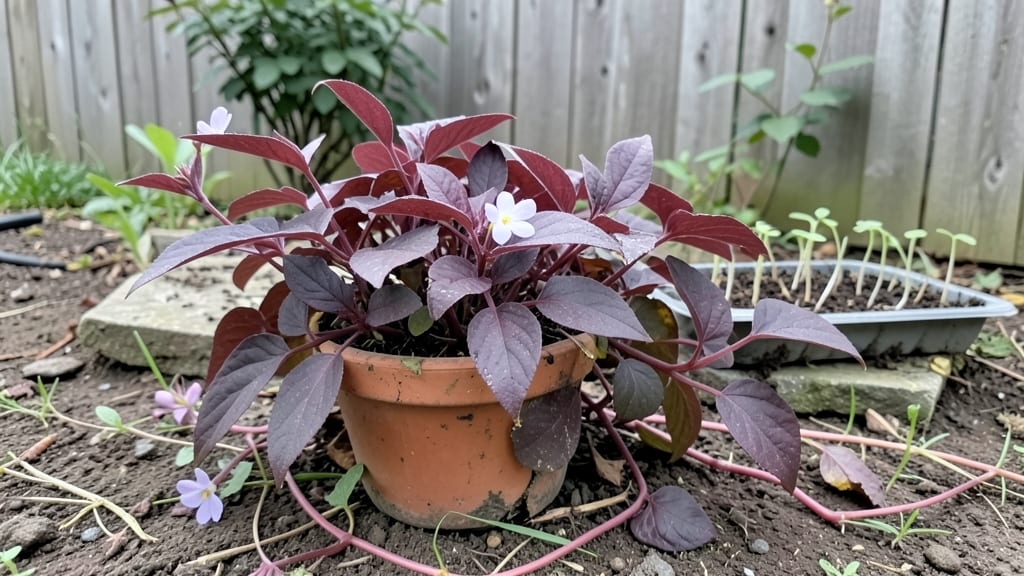
Planting Red Robin shrubs transforms bare spaces into lush, year-round privacy screens faster than you’d expect. ✨ I’ve watched these burgundy beauties go from 6-inch pots to 6-foot hedges in just two growing seasons—no waiting around for slow growers here.
The key is getting them in the ground right, whether you’re planting the Penstemon variety for pollinators or the Monarda type for bold foliage and summer blooms.
Start with well-draining soil mixed with compost—these plants hate soggy roots—and space them 2 to 3 feet apart for that tight, dense look. Zones 4 through 9 all work, but spring or early fall planting gives roots time to settle before summer heat or winter freezes.
A sunny spot (at least 6 hours of light daily) keeps their color vibrant, while partial shade softens the intensity for milder climates.
Water deeply right after planting, then keep the soil moist but not soggy for the first month. Once established, Red Robin shrubs handle drought surprisingly well, but young plants need consistent moisture to root deeply.
Within a year, you’ll have a solid privacy barrier that stays green even in winter—no flimsy annuals here.
Pro tip: Prune lightly in late winter to shape them early, but avoid heavy cuts that stress new growth. These shrubs are tough, but they’ll reward your patience with faster growth and thicker foliage every season. Ready to get started?
📚 In This Guide
- What you need
- Instructions
- Tips and common mistakes
- Wrapping up and next steps
What you need
- ● Red Robin shrubs: 3–5 plants per 10 feet of space (spaced 3–4 feet apart for full coverage). Choose 2–3 gallon containers for established plants or bare-root seedlings for cost savings.
- ● Shovel or trowel: A garden shovel (for digging holes) and a hand trowel (for delicate planting).
- ● Compost or well-aged manure: 2–3 gallons per plant to enrich soil.
- ● Organic mulch: Pine straw, wood chips, or shredded leaves (2–3 inches deep) to retain moisture and suppress weeds.
- ● Watering can or hose with a gentle spray nozzle: Red Robin thrives with consistent moisture during the first year.
- ● Gloves and knee pads: Protect your hands and knees—this project gets hands-on! 🧤💪
- ● Slow-release fertilizer: A balanced 10-10-10 or organic option to boost early growth.
- ● Planting grid or measuring tape: Ensures even spacing for a polished look.
- ● Epsom salt (magnesium sulfate): A handful per plant can enhance foliage vibrancy.
- ● Pruning shears: For shaping after planting (sterilize blades with rubbing alcohol!).
- ● Soil test kit: Check pH (ideal: 6.0–7.0) before planting for optimal growth.
Step-by-step instructions for planting Red Robin for fast privacy
Here's how to plant Red Robin for a lush, year-round privacy screen in just a few simple steps.
🌱 Step 1: Choose the Right Location and Prepare the Soil
Red Robin thrives in partial shade to full sun, making it perfect for privacy hedges along fences or property lines. Test your spot first—if it gets harsh afternoon sun, plant on the north or east side of the area to protect tender new growth. The soil should drain well; if yours is heavy clay, mix in 2-3 inches of compost to loosen it up.
Dig a hole twice as wide as the root ball but no deeper. You'll see roots spread out naturally—don't bury the base too deep, or the plant will struggle. Loosen the sides of the hole with a garden fork to encourage root expansion. Here's the thing—Red Robin grows fast, but only if the roots can spread easily in the first few weeks.
🪴 Step 2: Plant and Water Immediately
Remove the plant from its container and gently tease the roots apart if they're circling. Place it in the hole so the top of the root ball sits 1 inch below soil level. Backfill with native soil mixed with a handful of compost, pressing lightly as you go to remove air pockets. Water deeply right after planting—aim for 1 gallon per plant—to settle the soil and eliminate gaps.
Don't skip this step. If the soil stays dry, roots won't establish properly, and your hedge will grow unevenly. You'll see the first sign of success when new leaves emerge within 2-3 weeks. Mulch around the base with 2-3 inches of shredded bark to retain moisture and suppress weeds.
☀️ Step 3: Provide Consistent Care for Fast Growth
Water twice weekly for the first month, then reduce to once a week once established. Red Robin tolerates drought once mature, but young plants need steady moisture. You'll know it's thriving when new growth appears every 4-6 weeks—that's its natural rhythm.
Fertilize lightly in spring with a balanced 10-10-10 formula at half strength. Too much nitrogen makes leaves soft and prone to pests. Prune lightly in early spring to shape the hedge, but avoid heavy cuts—Red Robin grows best when left to fill in naturally. Watch for leggy growth; that's your cue to trim back by one-third to encourage bushier foliage.
✂️ Step 4: Maintain for Year-Round Privacy
Prune lightly in late winter or early spring before new growth begins. Use sharp shears to trim back 1/3 of the plant's height to encourage dense, full growth. Avoid cutting into old wood—new growth comes from the tips. You'll see fresh, vibrant leaves within 2-3 weeks of pruning.
This plant handles cold well, so no winter prep is needed. Just keep an eye out for pests like spider mites—spray with water if you spot webbing between leaves. With proper care, your Red Robin hedge will reach 6-8 feet tall in 3-5 years, providing fast, lush privacy.
Tips & tricks for perfect Red Robin planting
A few quick tricks that'll help your Red Robin hedge grow faster and stay healthier for years to come.
Soil Preparation Secret: Don't just dig a hole—loosen the sides with a garden fork to create a "root-friendly" zone. This encourages roots to spread outward instead of circling, which is exactly what you want for fast growth. I've seen Red Robin plants take off like rockets when roots can expand freely in the first few weeks. If your soil is heavy clay, that 2-3 inches of compost makes all the difference—it's like giving your plant a head start.
Planting Depth Matters: That 1-inch depth below soil level is critical. Too deep and roots suffocate; too shallow and the plant becomes unstable. I learned this the hard way after seeing a few plants struggle—now I always check the root ball's top aligns perfectly with the surrounding soil line. This small detail prevents future growth issues.
Watering Wisdom: The 1 gallon per plant right after planting isn't just about settling the soil—it's about eliminating air pockets that can strangle new roots. After that, those twice-weekly waterings in the first month are non-negotiable. I've watched Red Robin plants wilt dramatically when watering gets inconsistent, but they bounce back quickly when kept moist. Think of it as giving your hedge a daily drink rather than a weekly bath.
Pruning Pro Tip: When you're trimming back by one-third in Step 3, focus on cutting just above a leaf node or growth point. This encourages bushier growth rather than leggy stems. I always use sharp shears to make clean cuts—dull blades crush stems and invite disease. The 2-3 weeks for fresh growth to appear is your reward for proper pruning technique.
Pro Tips for Red Robin Planting
- A few quick tricks that'll help your Red Robin hedge grow faster and stay healthier for years to come.
- Soil Preparation Secret: Don't just dig a hole—loosen the sides with a garden fork to create a "root-friendly" zone.
- Planting Depth Matters: That 1-inch depth below soil level is critical.
Frequently asked questions
What’s the best time of year to plant red robin shrubs?
Plant red robin shrubs in early spring or early fall for the best results. These times offer mild temperatures and moist soil, giving roots time to establish before extreme heat or cold. Avoid planting in summer’s peak heat—young shrubs can struggle with transplant shock.
How far apart should I space red robin plants for a privacy hedge?
For a dense, fast-growing hedge, space red robin plants 3–4 feet apart. If you want a taller barrier (up to 12 feet), thin spacing to 2–3 feet. Prune regularly to encourage bushier growth and fill gaps. Pro tip: Use a string line for straight rows!
How much water do red robin shrubs need after planting?
Water deeply 2–3 times per week for the first month, keeping soil consistently moist (not soggy). After root establishment, reduce to once a week (more in hot/dry climates). Mulch around the base to retain moisture and protect roots.
Can I plant red robin in containers instead of the ground?
Yes! Red robin thrives in large containers (at least 18–24 inches deep) with well-draining soil. Use a fast-draining potting mix and ensure the pot has drainage holes. Note: Container-grown shrubs may need more frequent watering and fertilizing than in-ground plants.
Why are my red robin leaves turning yellow or brown?
Yellowing leaves often signal overwatering or poor drainage. Brown edges or crispy leaves? It’s likely underwatering or heat stress. Check soil moisture and adjust care. Pests like spider mites can also cause browning—spray with water or insecticidal soap if needed.
How and when should I prune red robin shrubs?
Prune in late winter or early spring before new growth starts. Trim 1/3 of the plant’s height annually to maintain shape and density. For a formal hedge, prune twice a year—once in spring and again in summer. Warning: Avoid heavy pruning in fall, as it can stunt winter hardiness.
Wrapping up and next steps
Red robin planting is your ticket to lush, year-round privacy—fast! 🌿 With its vibrant foliage, low-maintenance care, and rapid growth, this shrub transforms any space into a cozy, secluded retreat. Whether you're a beginner or a seasoned gardener, the key is patience and consistency—soon, you’ll enjoy the beauty and serenity of a thriving hedge.
Ready to take the next step? Start small—plant a few red robins today and watch them grow into a stunning privacy screen. Need inspiration? Sketch a design, gather your tools, and dive in! Your dream garden is just a shovel’s throw away. 🌱