
Companion Plants
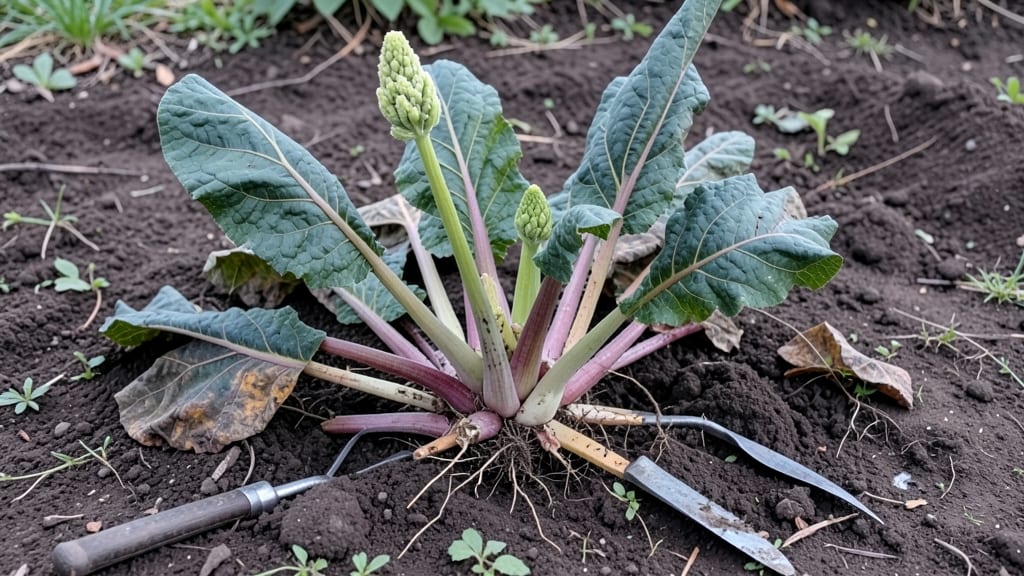
Splitting rhubarb plants is the secret weapon behind my shockingly lush harvests every spring. 🌱 After years of watching my single crown produce just a few stalks, I finally learned how to multiply it—and now I give away divisions to neighbors who beg for them.
The best part? You only need three clean cuts and a sunny spot to triple your yield in a single season.
Timing is everything: dig up established plants in early spring or fall, when the soil is workable but not frozen. Grab a sharp spade, a bucket of water, and a handful of compost—those are your only supplies.
The process takes less than 30 minutes, and you’ll walk away with 2-3 healthy divisions ready to thrive in their new homes.
What you’ll end up with is vibrant green foliage and thick, tart stalks that outproduce store-bought rhubarb by a mile. Each division establishes quickly, and within 2-3 years, you’ll have full-sized plants yielding 10-15 stalks per harvest—enough to share, freeze, or bake into pies for a decade.
Works for backyard gardens, raised beds, or even large containers. Here’s how to do it without a single wilted leaf—no green thumb required.
📚 In This Guide
- What you need
- Instructions
- Tips and common mistakes
- Wrapping up and next steps
What you need
- ● Mature rhubarb plant (3+ years old) – Ensure it’s healthy, with at least 3-5 strong stalks.
- ● Sharp garden knife or spade – A clean, sterilized blade prevents disease spread.
- ● Garden gloves – Protect your hands from thorns and dirt.
- ● Compost or well-aged manure – 1-2 gallons per divided plant to enrich soil.
- ● Watering can or hose – Keep soil moist before and after splitting.
- ● Mulch (straw, wood chips, or leaves) – Helps retain moisture and suppress weeds.
- ● Root stimulator or mycorrhizal fungi – Boosts new root growth for faster establishment.
- ● Plant marker or labels – Track varieties (e.g., 'Victoria' or 'Strawberry') if splitting multiple types.
- ● Disinfectant (rubbing alcohol or bleach solution) – Sterilize tools between cuts to prevent fungal issues.
- ● Pruners (for trimming leaves) – Neatly trim excess foliage to reduce stress on divided plants.
Step-by-Step instructions for splitting rhubarb plants
Here's how to divide your rhubarb crowns—no fancy tools or complicated steps required.
🌱 Step 1: Choose the Right Time to Split
Spring is the ideal window, right after the first flush of growth but before the plants send up their main stalks. You'll know it's time when you see 3-5 inch tall shoots emerging from the crown. This timing ensures the divided sections have energy to establish strong roots before summer heat sets in.
Never split in fall or winter—the cold stresses the plants and reduces their ability to recover. If you miss spring, wait until early summer, but be prepared for slower regrowth. The goal is to give each new division enough time to develop before dormancy.
✂️ Step 2: Dig Up and Separate the Crown
Use a sharp spade to cut a 12-inch deep circle around the entire rhubarb plant, severing the roots. Gently lift the crown from the soil, shaking off excess dirt to reveal the natural divisions. A mature rhubarb crown typically splits into 3-5 healthy sections, each with its own set of buds.
I look for sections with at least 3-4 buds and a good mix of roots and shoots. If a section has only 1-2 buds, it won't establish well—set it aside for compost. Use a clean, sterilized knife to separate the crown into these sections, making sure each has a balanced root-to-shoot ratio.
💧 Step 3: Replant the Divisions Immediately
Dig new holes 18-24 inches apart—rhubarb needs space to spread and thrive. The soil should be loose and amended with 2-3 inches of compost mixed into the top 6 inches of the hole. Place each division so the buds sit just below the soil surface; burying them too deep slows regrowth.
Water each newly planted section deeply right away to eliminate air pockets around the roots. A good soak ensures the roots make immediate contact with moist soil. Mulch with 2-3 inches of straw or shredded leaves to retain moisture and suppress weeds—this is critical in the first few weeks.
☀️ Step 4: Maintain Consistent Care Post-Split
Keep the newly replanted divisions in partial shade for the first 2-3 weeks to reduce stress. Gradually introduce them to full sun over 10-14 days to prevent leaf scorch. You'll see new growth emerging within 3-4 weeks if conditions are right—this is your signal that the plants are recovering well.
Water deeply once a week during the first growing season, aiming for 1 inch of water per week. Avoid overhead watering, which can spread fungal diseases. By next spring, your divided rhubarb will be just as productive as the original plant—sometimes even more so.
Tips & tricks for perfect rhubarb plant division
These simple yet game-changing strategies will help you maximize your rhubarb harvest while avoiding common pitfalls that can stress your plants.
Timing is Everything: The spring window mentioned in Step 1 is non-negotiable for best results. I've learned this the hard way—dividing in late spring or early summer gives the new plants enough warm weather to establish roots before winter dormancy. Look for those 3-5 inch shoots as your green light, but don't wait until the stalks reach 6 inches or more, or you'll miss the optimal window. The goal is to give each division time to develop a strong root system before summer heat arrives.
Tool Prep Matters: Before you even touch the crown, sterilize your spade and knife with rubbing alcohol or a 10% bleach solution. I can't stress this enough—clean tools prevent spreading diseases between plants. Also, make sure your spade is sharp; a dull blade can crush roots and make clean cuts difficult. A clean, sharp tool makes all the difference in how well your divisions establish.
Root-to-Shoot Ratio: When separating your crown in Step 2, aim for sections with at least 3-4 buds and a good balance of roots and shoots. I typically look for divisions that have about 25% more roots than shoots—this gives them the energy they need to regrow quickly. Smaller sections with fewer buds often struggle to establish, so don't be afraid to compost those under-sized pieces rather than forcing them to grow.
Post-Planting Care: The first 2-3 weeks after replanting are critical for your new divisions. I've found that using a lightweight row cover during this period provides extra protection from wind and intense sunlight while still allowing light and air to reach the plants. This simple addition can make the difference between struggling plants and ones that thrive from the start.
Pro Tips for Splitting Rhubarb Plants
- These simple yet game-changing strategies will help you maximize your rhubarb harvest while avoiding common pitfalls that can stress your plants.
- Timing is Everything: The spring window mentioned in Step 1 is non-negotiable for best results.
- Tool Prep Matters: Before you even touch the crown, sterilize your spade and knife with rubbing alcohol or a 10% bleach solution.
Frequently asked questions
Got questions about splitting rhubarb plants?
You’re not alone! Here are answers to the most common ones to help you grow like a pro.
When is the best time to split rhubarb plants?
The ideal time is early spring (before new growth starts) or early fall (after harvest but before hard frost). Avoid splitting in summer—it stresses the plant and can reduce next year’s yield. If you must split in summer, do it on a cool, cloudy day to minimize shock.
How do I know if my rhubarb plant is ready to split?
Your rhubarb is ready when it forms a dense clump with multiple crowns (the thick, bulbous base where leaves grow). If the center looks woody or sparse while the outer edges are lush, it’s time to divide. Aim for clumps with at least 3–5 healthy crowns per section.
Can I split rhubarb plants in containers?
Yes! Container-grown rhubarb can be split, but timing and space matter. Choose pots with at least 12–18 inches of depth and divide in spring. Use well-draining soil, and avoid overcrowding—each crown needs 12+ inches of root space. Containers dry out faster, so water consistently after splitting.
What should I do if my split rhubarb plants aren’t thriving?
If new growth is slow or yellowing, check these fixes:
- Watering: Keep soil consistently moist (not soggy) for the first 2 weeks.
- Sunlight: Rhubarb needs full sun (6+ hours/day)—move to a sunnier spot if needed.
- Soil: Amend with compost for nutrients; rhubarb loves rich, slightly acidic soil (pH 6.0–6.8).
- Patience: Delay harvesting for 1 year to let roots establish.
How often should I split rhubarb plants?
Divide rhubarb every 3–4 years to prevent overcrowding and disease. Older clumps produce smaller stalks and are more prone to pests. Split in early spring for the best results—this gives roots time to recover before summer heat. Over-splitting (too often) can weaken plants.
Wrapping up and next steps
Splitting rhubarb plants is a game-changer for gardeners looking to boost their harvest—literally!
With just a few simple cuts and a little patience, you can triple your yield while keeping your plants healthy and thriving. 🌱✨ Whether you're a seasoned gardener or just starting out, this method is your secret weapon for a bountiful, low-maintenance garden.
Ready to grow more? Grab your tools, pick a sunny day, and get splitting—your future rhubarb feasts (and happy neighbors!) will thank you. Pro tip: Share your new plants with fellow gardeners—community gardens love free, thriving starts!