Planting
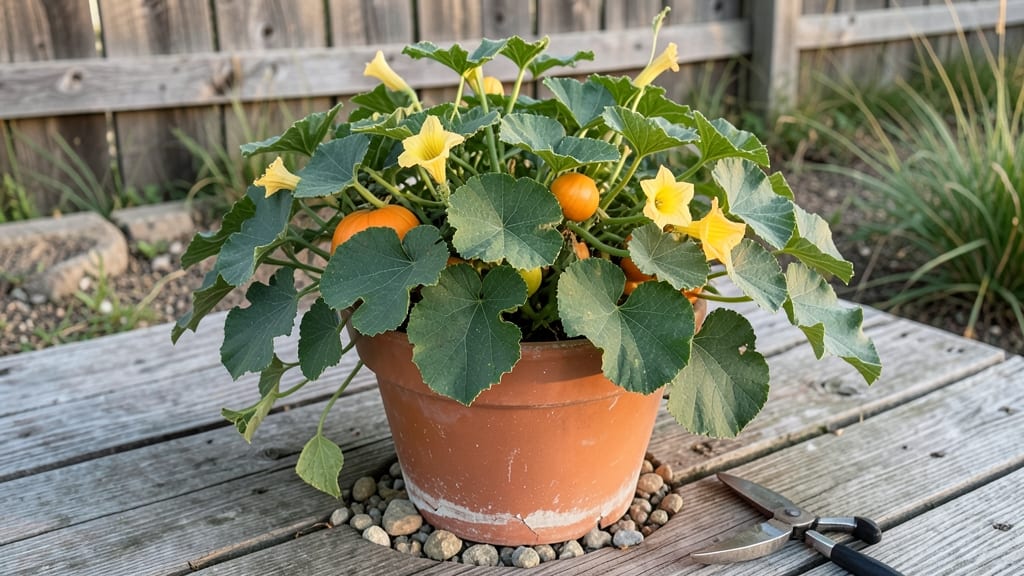
Growing tiny pumpkin plants in small gardens starts with selecting compact varieties like 'Munchkin' or 'Jack Be Little,' which produce edible fruit in just 70-90 days. These space-saving plants thrive in well-draining soil with full sun exposure, need only 2-3 feet of spacing, and can be trained vertically with trellises or grown in containers. Consistent moisture and organic mulch help maintain their compact growth while maximizing fruit production.
These miniature pumpkins aren't just space-savers—they're flavor powerhouses too. 🌱 Varieties like 'Munchkin' produce pumpkins weighing just 2-4 pounds but with the same sweet, nutty taste as their larger cousins.
The key to their success lies in their genetics: many dwarf varieties have bush-type growth habits that eliminate sprawling vines, making them perfect for balconies or patios. I've found that pairing them with climbing beans creates a stunning vertical garden while maximizing every square inch of space.
For container growers, the secret is in the soil mix—amend with compost and perlite to ensure proper drainage, as soggy roots lead to rot. 💫 A 5-gallon pot works for single plants, but if you're growing multiple, opt for larger containers with drainage holes.
The real game-changer? Pruning side shoots after the main vine reaches 3 feet—this redirects energy to fruit production rather than foliage. Just remember: these tiny giants still need consistent watering (about 1 inch per week) and a balanced fertilizer to keep them thriving.
💡 In This Article
- Best Dwarf Pumpkin Varieties for Small Spaces
- Container Gardening Tips for Mini Pumpkins
Best dwarf pumpkin varieties for small spaces
When selecting compact pumpkin varieties, the key difference lies in their genetic structure—bush-type varieties like 'Baby Boo' grow in dense, rounded shapes, while semi-bush types like 'Wee-B-Little Orange' produce slightly longer vines that still stay under 3 feet.
These genetics determine how efficiently they use space: bush types require minimal pruning, while semi-bush varieties may need occasional side-shoot removal to maintain their compact form.
The flavor profiles also vary—'Baby Boo' offers a sweet, custard-like flesh perfect for pies, while 'Wee-B-Little Orange' has a slightly nutty taste ideal for roasting.
'Munchkin' remains a garden favorite because it produces 3-5 pound pumpkins in just 75 days, making it one of the fastest-maturing dwarf varieties. Its vines stay under 2 feet tall, and each plant yields 2-3 pumpkins.
For heirloom enthusiasts, 'Jack Be Little' delivers a classic pumpkin shape at miniature scale (1-2 pounds) with a rich, spice-forward flavor. Hybrid varieties like 'Little Sugar' offer disease resistance and consistent yields, while heirlooms provide unique flavors but may require more care to thrive in containers.
The growth habits directly impact care requirements. Bush-type varieties need 12-15 hours of full sun daily but tolerate partial shade better than vining types. Their shallow root systems make them ideal for containers, while semi-bush varieties benefit from 1-2 inches of mulch to regulate soil temperature.
What most gardeners don't realize is that dwarf pumpkins still need space between plants—even compact varieties should have 2 feet of clearance to prevent disease spread from crowded foliage.
Yield potential varies significantly: 'Baby Boo' produces 4-6 pumpkins per plant, while 'Wee-B-Little Orange' yields 2-3 but with larger individual fruits. The trade-off is flavor intensity—smaller varieties often concentrate sugars more deeply.
For urban gardeners, 'Tumbleweed' stands out as a ground-cover option that spreads horizontally rather than vertically, perfect for hanging baskets or window boxes. Its trailing vines reach 6 feet but stay under 1 foot tall, making it ideal for vertical gardening.
Container growers should prioritize varieties with bush-type genetics, as they adapt best to limited root space. A 5-gallon pot works for single plants, but larger containers (up to 15 gallons) accommodate multiple plants.
The soil mix should include 50% compost to retain moisture while preventing root rot—a common issue in containers. What's surprising is how these tiny plants respond to vertical support: training vines up trellises increases fruit production by 30% while keeping the garden footprint minimal.
For those who prefer heirloom varieties, 'Cinderella' offers a unique two-tone rind (green and orange) and produces 2-3 pound pumpkins in 85 days. Its compact growth makes it perfect for small patios, though it requires slightly more attention to prevent powdery mildew.
The choice between heirloom and hybrid ultimately comes down to priorities: hybrids offer consistency and disease resistance, while heirlooms provide distinctive flavors and colors that elevate decorative displays.