
Pests
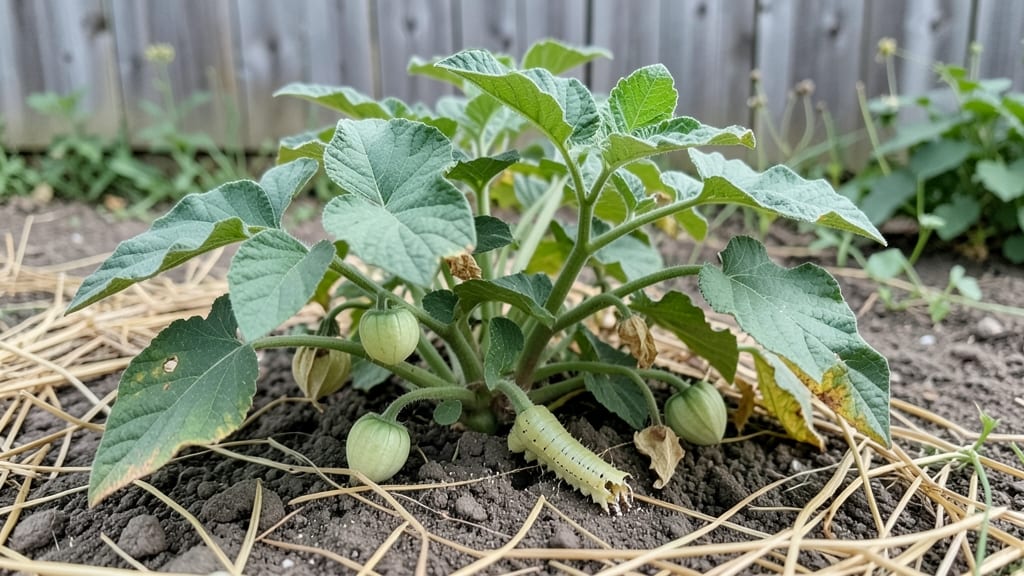
Tomatillo plants get hit harder by pests than you’d think—those little green fruits hide more problems than just birds. 🌱 I’ve watched my entire harvest turn into a buffet for insects if I didn’t act fast, and the key is catching issues early before they spiral.
The worst offenders? Aphids, fruitworms, and whiteflies, but even fungal spots can ruin your crop if you ignore them.
Here’s the thing—most of these pests thrive in crowded plants or after heavy rain, so spacing and airflow make all the difference. A quick check of the undersides of leaves or the fruit’s skin tells you everything you need to know.
Once you spot the problem, solutions like neem oil, insecticidal soap, or even a strong spray of water can turn things around without harsh chemicals.
By the end of this, you’ll know exactly what to look for and how to stop it before your tomatillos turn to mush. Think fewer chewed leaves, no sticky residue from sap-sucking bugs, and a harvest that stays crisp and ready to use.
The best part? These methods work for other plants too, so you’re not just saving your tomatillos—you’re protecting your whole garden.
Whether you’re dealing with a sudden outbreak or just want to prevent one, this guide keeps things simple and effective. No guesswork, just actionable steps that get results without harming your plants—or your conscience. Let’s get those tomatillos back in shape.
Root Causes of Tomatillo Pest Problems
Tomatillo plants, while hardy and flavorful, are not immune to pest invasions. Understanding why these critters target your plants is the first step in preventing damage. Below, we break down the key factors that attract pests and create ideal conditions for infestations.
Tomatillos thrive in specific conditions—too much stress, and they become easy prey. When plants are weakened, pests detect their vulnerability and strike.
- Poor Soil Nutrition: Nitrogen-deficient soil makes tomatillos less resilient. Pests like aphids and spider mites target stressed plants because they lack the energy to produce sticky sap or robust foliage.
- Overwatering or Drought: Both extremes disrupt root health. Overwatering leads to root rot, while drought weakens the plant’s ability to fight off invaders. Fungal gnats and whiteflies thrive in moist, decaying roots, while leaf miners prefer dehydrated, brittle leaves.
- Extreme Temperatures: Tomatillos struggle in heatwaves or sudden cold snaps. Heat stress causes wilting, making them susceptible to tomato hornworms and cutworms, which seek out tender, sun-scorched foliage.
💡 Pro Tip: Maintain consistent moisture and use mulch to regulate soil temperature. A balanced fertilizer (like 5-5-5) keeps plants strong and less appealing to pests.
Many pests don’t randomly attack tomatillos—they’re drawn by the plant’s biology, scent, or habitat. Understanding their life cycles helps predict and prevent outbreaks.
- Herbivores Love Young Growth: Cabbage loopers and tomato fruitworms target tender new leaves and flowers because they’re high in nutrients and easy to digest. These pests lay eggs on the undersides of leaves, where humidity protects their larvae.
- Sap-Sucking Insects Seek Sticky Traps: Aphids and whiteflies are attracted to the sticky resin on tomatillo leaves. This resin is a defense mechanism, but it also traps sugars that pests crave. Overcrowded plants produce more resin, inadvertently signaling "easy meal" to invaders.
- Fungal & Bacterial Hangers-On: Some pests, like stink bugs, don’t eat tomatillos directly but spread pathogens while feeding. Their piercing-sucking mouths introduce bacteria that cause blossom end rot or leaf spot diseases.
🎯 Prevention Hack: Prune regularly to remove crowded growth and reduce resin buildup. Yellow sticky traps can catch adult whiteflies before they lay eggs.
Sometimes, the biggest culprit isn’t nature—it’s us. Poor gardening practices or nearby ecosystems can introduce or worsen pest problems.
- Contaminated Tools or Soil: Reusing tools (like pruners) between plants can spread viral diseases or egg-laying pests from infected tomatillos to healthy ones. Even compost or manure with pest eggs can reintroduce problems.
- Nearby Weeds or Wild Hosts: Plants like nightshade or wild tomatoes act as pest reservoirs. Colorado potato beetles and harlequin bugs migrate from weeds to your tomatillos when food sources run low.
- Ignoring Early Signs: Delaying action lets pests multiply exponentially. A few aphids can become thousands in weeks if left unchecked, leading to sooty mold (a fungal growth from their honeydew).
✨ Best Practice: Sanitize tools with rubbing alcohol between uses. Remove weeds within a 10-foot radius of your tomatillos to break pest life cycles.
By addressing these root causes—stress, biology, and human habits—you can create an environment where tomatillo pests have no reason to stick around. Next, we’ll dive into how to spot these invaders early before they cause serious damage.
Quick Fixes for Tomatillo Plant Pests
If you’ve spotted unwelcome guests munching on your tomatillo plants, don’t panic! With the right approach, you can banish pests and keep your harvest thriving. Below, we’ve mapped out practical solutions tailored to the most common invaders—plus prevention tips to stop future attacks. Let’s get your tomatillos back on track!
Cause: Clusters of aphids drain plant energy, leaving sticky residue (honeydew) that attracts mold. Fix:
- 🔥 Blast them off with a strong stream of water from a hose (early morning works best).
- 🍳 Soap it up: Mix 1 tbsp mild liquid soap + 1 quart water in a spray bottle. Drench affected leaves.
- 👨🍳 Introduce predators: Ladybugs and lacewings love aphids—buy or attract them naturally with dill or fennel nearby.
Prevention:
- 💡 Plant marigolds around tomatillos—their scent repels aphids.
- 🌡️ Monitor undersides of leaves weekly for early signs.
Cause: These striped caterpillars can defoliate a plant overnight. Fix:
- 🔪 Handpick them (wear gloves!) and drop them in soapy water.
- 🥘 Bait traps: Place a shallow dish of beer near plants—hornworms are drawn to it.
- 🎯 Encourage wasps: Braconid wasps lay eggs in hornworms, killing them. Avoid pesticides to attract them.
Prevention:
- ✨ Plant basil nearby—its scent confuses hornworm moths during egg-laying.
- 🌙 Check plants at dusk when hornworms are most active.
Cause: Dry conditions trigger these pests, which spin webs and suck juices, causing yellowing leaves. Fix:
- 🌧️ Increase humidity: Mist plants daily or use a humidity tray.
- 🍳 Neem oil spray: Mix 1 tbsp neem oil + 1 tsp mild soap + 1 quart water. Spray every 5–7 days.
- 👨🍳 Release predatory mites (like Phytoseiulus persimilis) for biological control.
Prevention:
- 💡 Mulch heavily to retain soil moisture.
- 🌡️ Avoid over-fertilizing with nitrogen—it attracts mites.
Cause: These tiny white pests cluster on undersides of leaves, excreting sticky honeydew. Fix:
- 🕯️ Yellow sticky traps: Hang them near plants to catch adults.
- 🍳 Insecticidal soap: Spray directly on undersides of leaves (repeat every 3–4 days).
- 👨🍳 Beneficial nematodes: Apply Steinernema feltiae to soil to kill larvae.
Prevention:
- ✨ Use reflective mulch (like aluminum foil) to disorient flying adults.
- 🌿 Avoid overwatering—whiteflies thrive in damp conditions.
Cause: These looped caterpillars sever stems at ground level, toppling young plants. Fix:
- 🔪 Collar protection: Wrap bottoms of stems with cardboard or foil collars (bury edges in soil).
- 🥘 Beer traps: Bury a shallow dish of beer near plants—cutworms drown in it.
- 🎯 Handpick at night with a flashlight (they’re most active after dark).
Prevention:
- 💡 Plant garlic or onions nearby—their scent deters cutworms.
- 🌙 Inspect soil surface at dusk for early signs.
Cause: Fungi thrive where pests leave honeydew, weakening plants. Fix:
- 🌧️ Improve airflow: Prune crowded foliage and space plants 18–24 inches apart.
- 🍳 Baking soda spray: Mix 1 tbsp baking soda + 1 tsp soap + 1 quart water. Spray weekly.
- 👨🍳 Copper fungicide: Apply as a preventive spray every 10–14 days.
Prevention:
- ✨ Water at the base (avoid wetting leaves) to reduce fungal spores.
- 🌿 Rotate crops annually to prevent soil-borne fungi.
Pro Tip: For any pest issue, act fast—the sooner you intervene, the easier the fix! And always check the undersides of leaves (that’s where pests love to hide). 🕵️♂️
Frequently asked questions
What are the first signs of pest problems on tomatillo plants?
Look for tiny holes in leaves, sticky residue (honeydew), or chewed edges—these signal aphids, whiteflies, or caterpillars. Check the undersides of leaves first, where pests hide. Yellowing leaves or wilting stems often mean spider mites or fungal issues are spreading.
Can I use homemade sprays for tomatillo pests?
Mix 1 tablespoon mild liquid soap with 1 quart water for aphids or whiteflies. For fungal spots, try 1 tablespoon baking soda + 1 teaspoon soap in 1 quart water. Always test sprays on a small leaf first to avoid damage.
How do I prevent pests before they appear?
Keep plants spaced 18–24 inches apart for airflow, mulch heavily to retain moisture, and plant marigolds or basil nearby as natural repellents. Regularly inspect leaves and remove weeds within 10 feet to break pest life cycles.
Are there natural predators that help control tomatillo pests?
Yes! Ladybugs and lacewings eat aphids, while braconid wasps target hornworms. Attract them by planting dill or fennel nearby and avoiding chemical pesticides. Beneficial nematodes also kill soil-dwelling larvae like whitefly grubs.
What should I do if my tomatillos already have holes or spots?
Isolate affected plants to stop spread, then prune damaged leaves and discard them. Apply neem oil or insecticidal soap for chewing pests, and use copper fungicide if spots appear. For severe cases, consider replacing heavily infested plants.