
Pests
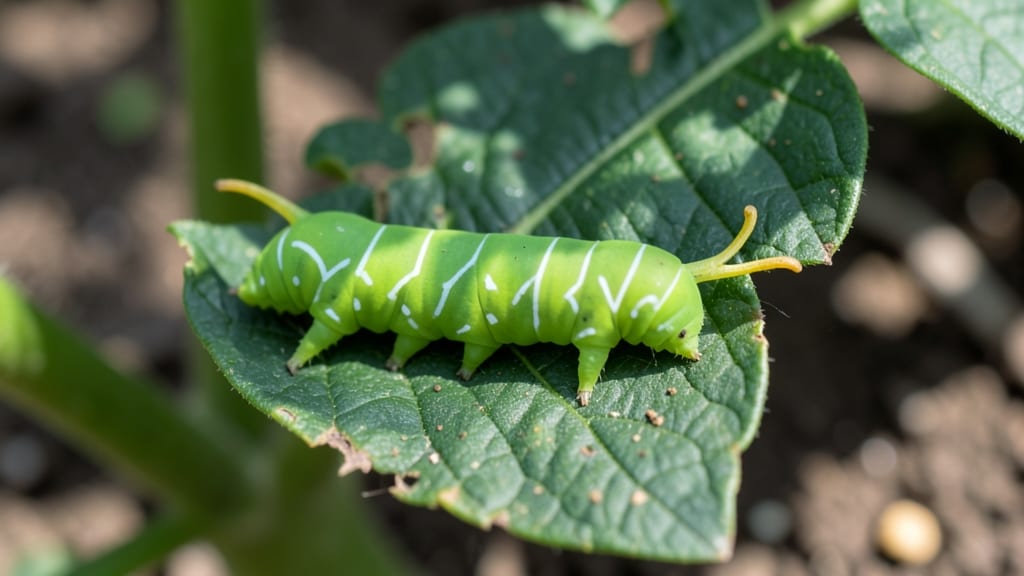
Tomato plant caterpillars can turn your lush vines into skeleton leaves in days—unless you act fast. I’ve lost entire harvests to these striped bandits, but I’ve also mastered the three-step organic defense that keeps my tomatoes thriving without harsh chemicals.
The key? Catching them early, before they strip your plants bare.
Most gardeners panic when they spot caterpillars, but the solution is simpler than you think: handpick them in the morning (they’re sluggish then), use Bacillus thuringiensis (a natural bacteria that targets caterpillars only), and wrap vulnerable plants in row covers before eggs hatch.
These steps work together like a force field—no fancy gear, just smart timing and a little elbow grease.
By the time you’ve finished these steps, your tomato plants will bounce back with new growth and fewer chewed leaves. The best part? Your tomatoes stay chemical-free, and you’ll never again watch helplessly as caterpillars turn your hard work into confetti.
Let’s get those plants protected before the next wave arrives.
This method works for all tomato varieties, whether you’re growing in containers or rows, and it’s just as effective in small urban gardens as it is in large plots. The only thing you’ll be losing is the stress of watching your harvest disappear overnight.
The Hidden Triggers Behind Caterpillar Attacks
Tomato plants are a caterpillar’s dream buffet—juicy, tender, and packed with nutrients. But why do these leaf-munching pests suddenly appear in your garden like uninvited guests? The answer lies in a mix of natural behaviors, environmental cues, and plant vulnerabilities.
Understanding these triggers is the first step to beating them back organically. Let’s break down the science behind their appetite.
Caterpillars, especially hornworms and tomato fruitworms, are drawn to tomatoes that are soft, bruised, or beginning to rot. Here’s why:
- Chemical Cues: Overripe tomatoes release higher levels of volatile organic compounds (VOCs), which act like a dinner bell to moths and caterpillars. These compounds signal "easy pickings" and trigger egg-laying in adult moths.
- Moisture Magnet: Damaged or rotting fruit holds more moisture, creating a perfect microclimate for caterpillar larvae to thrive. The softer texture also makes it easier for them to burrow in and feed.
- Pro Tip: 💡 Harvest tomatoes promptly—even slightly overripe ones—and remove fallen fruit from the ground. This disrupts the caterpillar’s life cycle before they even hatch.
Thick, unpruned tomato plants with dense leaves provide the ideal hiding spot for adult moths to lay their eggs. Here’s the breakdown:
- Shelter for Stealth: Moths prefer plants with underside leaf cover, where they can deposit eggs safely out of sight. Pruning too aggressively removes this natural camouflage, but zero pruning creates a caterpillar paradise.
- Nutrient-Rich Leaves: Healthy, vigorous tomato plants produce lush foliage that’s packed with nitrogen—caterpillars’ favorite. Moths can smell these nutrients from a distance, thanks to plant emissions.
- Actionable Fix: ✂️ Prune strategically—remove only the most crowded or yellowing leaves while leaving some foliage for shade. This balances airflow (reducing humidity) without inviting pests.
Temperature and moisture play a huge role in caterpillar survival. Here’s how:
| Factor | Why It Matters | What to Do |
|---|---|---|
| 🌡️ Warm Nights (Above 70°F) | Caterpillars grow faster in heat, completing their life cycle in as little as 2 weeks. Moths also become more active, increasing egg-laying. | 🌿 Use shade cloth or mulch to moderate soil temps. Avoid overwatering, which traps heat. |
| 💧 High Humidity (70%+) | Moisture keeps eggs from drying out and helps caterpillars melt into plants (literally—some species secrete silk to blend in). | ⚡ Improve drainage and water in the morning to let foliage dry quickly. |
Tomato plants in perfect health would have a natural defense army—birds, parasitic wasps, and ladybugs that hunt caterpillars. But when this balance tips, pests take over:
- Pesticide Overuse: Chemical sprays kill both caterpillars and their predators, creating a vacuum that pests rush to fill. Organic sprays (like neem or soap) are safer but still require timing.
- Monoculture Gardens: Planting only tomatoes removes biodiversity. Predators like braconid wasps (which lay eggs inside caterpillars) need a variety of plants to thrive.
- Encourage Allies: 🌿 Plant companion plants like dill, fennel, or basil to attract beneficial insects. Even a small patch of marigolds can deter moths with their strong scent.
Stressed tomato plants are like a neon "EAT ME" sign for caterpillars. Stress comes from:
- Nutrient Deficiencies: Low nitrogen or potassium weakens leaves, making them easier for caterpillars to chew through. Yellowing leaves? It’s a red flag (literally).
- Water Stress: Underwatered plants produce tough, bitter leaves, but overwatered ones create soggy, caterpillar-friendly conditions. Aim for 1–1.5 inches of water per week.
- Disease Pressure: Fungal spots or viral infections (like tomato mosaic virus) make plants more attractive to pests. Rotate crops annually to break the cycle.
Quick Fixes for Wormy Tomatoes
Got hungry caterpillars munching on your tomato plants? 🌱🐛 Don’t panic—these organic, easy-to-follow solutions will save your harvest without harsh chemicals. Below, we’ve matched common causes to the best fixes, plus prevention tips to keep those leaf-eating pests away for good.
Cause: Small caterpillars (like tomato hornworms or loopers) are already visible but haven’t caused major damage yet.
Fix:
- 👨🍳 Scout at dawn or dusk—caterpillars are sluggish when temperatures drop, making them easier to spot.
- 🔪 Drop them into soapy water (a bucket with a few drops of dish soap) to kill them instantly. Never release them back into the garden!
- 🌡️ Check daily—hornworms can grow 2 inches overnight, so early action is key.
Pro Tip: 💡 Use a flashlight at night—some caterpillars hide under leaves during the day but become active after dark.
Cause: Eggs have hatched, but caterpillars are still in the larval stage (not yet large or well-protected).
Fix:
- 🛒 Mix 2 tbsp neem oil + 1 tsp mild castile soap in 1 quart of water.
- 🌧️ Spray undersides of leaves (where eggs are often laid) and the tops of plants.
- ⏰ Reapply every 5–7 days or after rain—neem breaks down quickly.
Why It Works: Neem oil disrupts caterpillar feeding and smothers eggs, preventing the next generation.
⚠️ Warning: Avoid spraying in direct sunlight (can burn leaves). Early morning or evening is best!
Cause: Caterpillars are small but numerous, and you want a targeted, pet-safe solution.
Fix:
- 📦 Buy Bt powder or liquid (look for Bacillus thuringiensis kurstaki—safe for humans and beneficial insects).
- 💦 Mix as directed (usually 1–2 tbsp per gallon of water).
- 🌿 Spray lightly on leaves—focus on new growth and egg clusters.
- 🔄 Reapply after rain or every 7–10 days.
How It Works: Bt paralyzes caterpillar digestive tracts—they stop eating within hours and die in 1–2 days. Bonus: It’s harmless to bees, ladybugs, and other pollinators!
Pro Tip: 🌡️ Best used at night—Bt degrades in sunlight, so apply when caterpillars are active but UV exposure is low.
Cause: You’ve had repeat infestations or want a long-term, low-maintenance solution.
Fix:
- 🧶 Row covers (floating fabric): Drape lightweight garden fabric over young plants before flowers appear. Secure edges with bricks or soil.
- Works best for: Early-season prevention (remove when flowers bloom to allow pollination).
- 🍅 Collar young plants: Wrap cardboard or aluminum foil around stems (bury 1 inch into soil) to block egg-laying moths.
- 🌿 Interplant with repellents: Grow basil, marigolds, or dill near tomatoes—their scents confuse and deter moths.
Prevention Bonus: 🎯 Rotate crops yearly—moths remember favorite spots!
Cause: Caterpillars have skeletonized leaves or stripped fruit, and the plant is under attack.
Fix:
- 🍅 Prune heavily damaged foliage—remove chewed leaves and fruit (compost them far from the garden).
- 🌱 Introduce predators: Invite parasitic wasps (like Cotesia glomeratus) or praying mantises—they love tomato hornworms!
- 💦 Diatomaceous earth (DE): Sprinkle food-grade DE around the base of plants. It cuts caterpillar exoskeletons, causing dehydration.
- Reapply after watering*—it loses effectiveness when wet.
Last Resort: 🔥 If all else fails, remove the worst-infested plants and quarantine them (bag and toss) to prevent spread.
Stop future infestations with these simple habits:
- 🌱 Start with healthy plants—buy resistant varieties like ‘Mountain Merit’ or ‘Defiant PhR’.
- 🌿 Keep your garden tidy—remove weeds and debris where moths lay eggs.
- 🕯️ Use yellow sticky traps—moths are attracted to yellow; place traps near plants to catch them early.
- 🌙 Avoid overhead watering at night—moths are drawn to damp leaves for egg-laying.
- 🌱 Plant late—many moths emerge early in the season; delaying planting by 2–3 weeks can avoid peak infestations.
Remember: The key is early action—the sooner you spot caterpillars, the easier they are to control! 🚀 With these methods, your tomato plants will stay leafy, healthy, and worm-free all season.
Frequently asked questions
What are the most common types of caterpillars that attack tomato plants?
You’ll most likely encounter tomato hornworms (green with white stripes) and tomato fruitworms (small, green, and hairy). Hornworms grow up to 4 inches and can strip leaves overnight, while fruitworms burrow into tomatoes, causing rot. Both species thrive in warm weather and can devastate plants if left unchecked.
How do I know if my tomato plants have caterpillar eggs?
Look for tiny yellow or white oval eggs on the undersides of leaves, especially near leaf veins. They’re usually laid in clusters and may appear fuzzy. Check leaves daily at dawn—the eggs are most visible when dew is present. If you spot them early, remove the leaves or treat with neem oil to prevent hatching.
Is handpicking caterpillars really effective?
Handpicking is the fastest way to stop an infestation before it spreads. Do it in the morning when caterpillars are sluggish—drop them into soapy water to kill them instantly. For hornworms, wear gloves (some gardeners have mild reactions to their spines). Check plants daily, especially after rain, when caterpillars are most active.
Can I use coffee grounds to deter caterpillars?
Coffee grounds won’t kill caterpillars, but they can help deter them when used as a mulch around plant bases. The strong smell may confuse moths, but it’s not a standalone solution. For best results, combine coffee grounds with other methods like row covers or Bt spray. Always use used, composted grounds—fresh coffee is too acidic for plants.
Will my tomato plants recover after a caterpillar attack?
Yes, but it depends on how much damage occurred. If only a few leaves are chewed, the plant will regrow quickly. For severe damage (skeletonized leaves or defoliation), prune affected areas and focus on new growth. Avoid over-fertilizing—stressed plants are more vulnerable. With proper care, most tomato varieties bounce back within 2–3 weeks.