
Picking
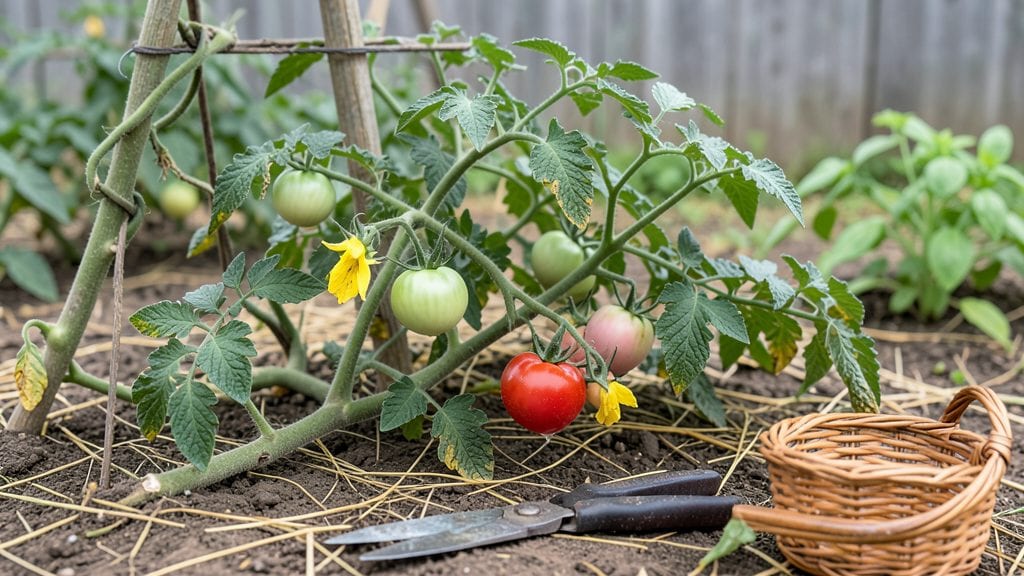
Tomato plant harvesting at its peak ripeness transforms a modest harvest into a glorious explosion of flavor—if you time it right. store-bought ones. The secret isn't complicated—it's about knowing exactly when to pick, how to handle them, and which varieties play by different rules.
Most gardeners focus only on color, but texture and smell are the real giveaways. A ripe tomato should yield slightly to gentle pressure, smell sweetly fruity at the stem, and have a deep, even color—no green shoulders.
Cherry tomatoes ripen faster than beefsteaks, so check them every other day once they start changing color. The right tools make this easier: a sharp knife, a basket with holes, and a cool, shaded spot to keep them after picking.
You'll end up with tomatoes so flavorful they'll make store-bought ones taste like cardboard. The key is consistency—harvest regularly to encourage more production, and store them properly to extend their life.
A single well-ripened tomato can transform a summer salad, and with the right technique, you'll have more of them than you know what to do with.
This method works for all tomato types, from tiny snacker cherries to massive slicing beefsteaks. The only real mistake is waiting too long—once tomatoes start softening or cracking, their quality drops fast. Let's get you picking like a pro before the season ends!
📚 In This Guide
- What you need
- Instructions
- Tips and common mistakes
- Wrapping up and next steps
What you need
- ● Sharp pruners or garden shears – 1 pair (clean, sterilized blades to avoid disease spread).
- ● Gloves – 1 pair (nitrile or leather to protect hands from thorns/stems).
- ● Harvest basket or bucket – 1-2 (with holes for drainage; 5+ gallon size recommended).
- ● Clippers or small knife – 1 (for cutting stems if pruners aren’t available).
- ● Ladder or step stool – 1 (if plants are taller than 4–5 feet).
- ● Water spray bottle – 1 (to mist tomatoes before harvesting for easier handling).
- ○ Labeling tags or markers – Optional (if tracking heirloom varieties or harvest dates).
- ● Harvesting knife with a serrated edge – 1 (for clean cuts on large, meaty tomatoes).
- ● Plastic crates or trays – 1-2 (for sorting by ripeness/color).
- ● Sun hat & sunscreen – 1 each (for long harvest days in the sun!).
- ● Cooling pad or insulated tote – 1 (to keep harvested tomatoes cool post-pick).
- ● Camera or phone – 1 (to document your bounty or track plant progress!).
Instructions for harvesting tomatoes at peak ripeness
Harvesting tomatoes at the right time ensures the best flavor and prevents wasted effort.
Identify Ripeness by Color and Texture
Mature tomatoes change color gradually, so check plants daily. For red varieties, look for a deep, even red hue from top to bottom—no green shoulders. Yellow and orange tomatoes should turn uniformly golden or peachy. Gently squeeze the fruit: ripe tomatoes yield slightly to pressure but don’t feel mushy.
Unripe tomatoes are firm and hard, while overripe ones dent easily or develop soft spots. Avoid harvesting when skin splits or fruit feels overly soft, as these won’t improve with storage. If you’re unsure, cut one open—ripe tomatoes have a bright, juicy interior with no pale or mealy areas.
Harvest at the Right Time of Day
Pick tomatoes in the morning when temperatures are cooler. This preserves their freshness longer and prevents bruising. Use two hands: one to support the stem and the other to twist gently. Avoid pulling—this can damage the plant and leave the stem attached, which may rot.
If a tomato is still firm but the vine shows signs of stress (yellowing leaves or wilting), harvest it anyway. Some varieties, like cherry tomatoes, ripen quickly once picked, so don’t wait too long. For heirlooms or slower-ripening types, leave them on the vine until fully colored.
Handle Tomatoes Gently to Avoid Bruising
Place harvested tomatoes in a single layer inside a basket or container lined with a soft cloth. Never stack them or store them in direct sunlight, which speeds up spoilage. If transporting, use a shallow tray to prevent rolling and bruising.
Check for minor bumps or scrapes—these can lead to rot. Discard any tomatoes with deep cuts or soft spots immediately. Store them at room temperature (around 65-75°F) for 3-5 days until ready to use or preserve. Refrigeration shortens shelf life and dulls flavor.
Encourage Continued Production
After harvesting, prune any suckers (small shoots in the leaf axils) to redirect energy to remaining fruit. Remove yellow or diseased leaves to improve airflow and reduce pest risks. Water deeply at the base in the morning to keep the plant hydrated without wetting foliage.
If your plant is still producing, fertilize lightly with a balanced 10-10-10 formula (if not already done) to support new growth. Avoid over-fertilizing late in the season, as it can lead to excessive foliage at the expense of fruit. Watch for signs of stress—wilting, curled leaves, or slowed growth—and adjust care accordingly.
Process or Preserve Excess Tomatoes
If you’ve harvested more than you can use fresh, turn extras into sauces, salsas, or canned goods. Wash tomatoes thoroughly before cutting to remove dirt or pesticide residue. For sauces, blanch whole tomatoes in boiling water for 1-2 minutes, then peel by dipping in ice water.
Slice or dice tomatoes for drying, or blanch and pack them in jars for canning. Label preserved items with the date and type to track freshness. Freezing is another option—pack chopped tomatoes in airtight bags and store for up to 6 months. This preserves texture and flavor for future meals.
Tips & tricks for perfect tomato plant harvesting
A few key strategies will help you maximize your tomato harvest and ensure every fruit reaches peak flavor. Here’s what I’ve learned from years of gardening trials—and mistakes!
Color and Texture Are Your Best Guides: In Step 1, when checking for ripeness, pay special attention to the stem end of the tomato. This area often changes color first and can be a more reliable indicator than the top. For heirloom varieties, watch for slight cracking along the shoulders—this signals they’re ready to pick. I’ve found that tomatoes with a slightly soft, yielding feel at the stem end tend to have the most concentrated sweetness.
Morning Harvests Preserve Freshness: The instructions emphasize harvesting in the morning, but I’ll add that this is especially critical during hot summers. If you must harvest later in the day, choose the coolest part of your garden and work quickly to get tomatoes into shade. I’ve seen tomatoes harvested at midday in 90°F heat develop sunburn within hours, even when handled gently.
Storage Temperature Matters: While the instructions recommend storing tomatoes at 65-75°F, I’ve noticed that temperatures above 75°F can actually accelerate ripening and shorten shelf life. If your home tends to be warm, consider storing them in a cool pantry or basement. For maximum freshness, I place them in a single layer with a paper towel between each tomato to absorb any excess moisture.
Processing Shortcuts: When it comes to Step 5’s blanching method, I’ve developed a quick trick for peeling tomatoes more efficiently. After blanching for 1-2 minutes, transfer tomatoes directly to a bowl of ice water for exactly 30 seconds—no longer! This brief shock makes peeling easier without over-cooling the fruit. For large batches, I use a slotted spoon to transfer them directly from boiling water to ice water, saving time and preventing cross-contamination.
Pro Tips for Tomato Plant Harvesting
- A few key strategies will help you maximize your tomato harvest and ensure every fruit reaches peak flavor.
- Color and Texture Are Your Best Guides: In Step 1, when checking for ripeness, pay special attention to the stem end of the tomato.
- Morning Harvests Preserve Freshness: The instructions emphasize harvesting in the morning, but I’ll add that this is especially critical during hot summers.
Frequently asked questions
Got questions about harvesting your tomato plants?
You’re not alone! Whether you’re a first-time gardener or a seasoned grower, timing, technique, and troubleshooting can feel tricky. Here are answers to the most common questions to help you pick perfect tomatoes every time.
When is the best time to harvest tomatoes?
Harvest tomatoes when they’re fully colored and slightly soft to the touch—but before they start to wrinkle or split. For heirlooms, wait until deep red (or the variety’s mature color). Green tomatoes can ripen off the vine in a warm, dry place (like a windowsill) for 1–2 weeks.
How often should I check my tomato plants for ripe fruit?
Check your plants every 2–3 days during peak harvest season (late summer to early fall). Tomatoes ripen quickly, and overripe fruit can attract pests or crack. Pro tip: Morning harvests keep tomatoes fresher longer and reduce sunscald risk.
Do I twist or cut tomatoes off the vine?
Use a sharp knife or pruners to cut stems cleanly—twisting can damage the plant. Leave a small portion of the stem attached to preserve flavor and prevent rot. Exception: Cherry tomatoes can often be gently twisted off without harm.
What do I do if my tomatoes split or crack?
Split tomatoes are usually a sign of inconsistent watering (too much after dry spells) or overripe fruit. Harvest them immediately to avoid waste—they’re still edible! To prevent splits, water deeply early in the day and use mulch to retain moisture.
Can I harvest tomatoes before they’re fully ripe?
Yes! Green or partially ripe tomatoes can be harvested and ripened indoors. Place them in a paper bag with a banana or apple (ethylene gas speeds ripening) in a warm, shaded spot. Avoid refrigerating until fully ripe—cold slows the process.
Wrapping up and next steps
Harvesting your tomato plants at peak ripeness isn’t just about timing—it’s about celebrating the fruits of your labor! 🌱 Whether you’re a seasoned gardener or a first-timer, knowing when and how to pick those juicy tomatoes ensures a bountiful harvest and delicious meals ahead.
Now that you’re equipped with the right tools, techniques, and tips, it’s time to roll up your sleeves and enjoy the process.
Your next step? Start harvesting! Keep an eye on your plants, experiment with different varieties, and don’t forget to share your success—whether it’s with neighbors, friends, or even a homegrown tomato recipe. Happy harvesting! 🍅✨